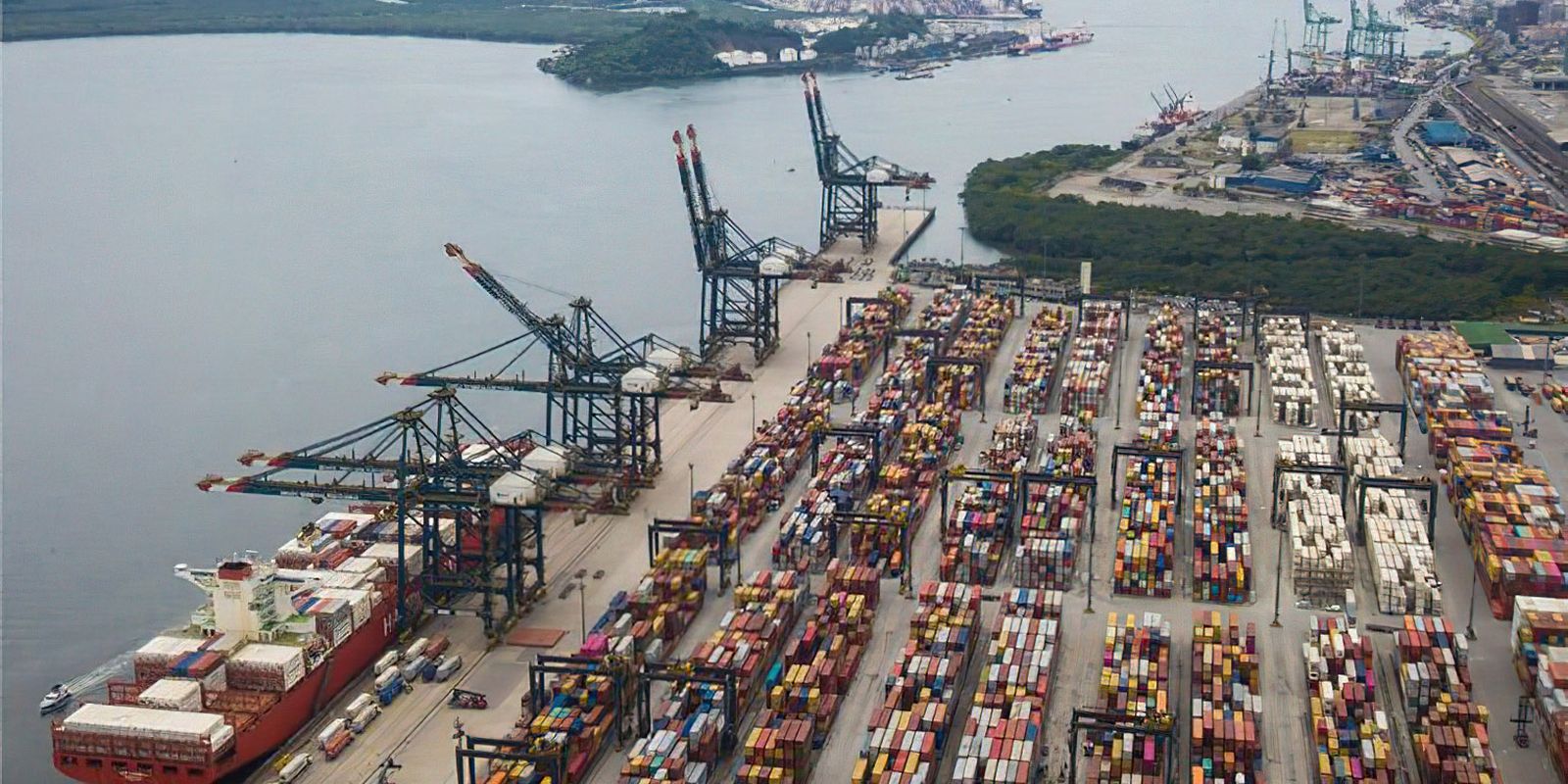
On Wednesday (6), the 50% rates imposed on part of Brazilian exports to the United States were in force. The measure, signed last week by US President Donald Trump, affects 35.9% of goods sent to the US marketwhat represents 4% of Brazilian exports. About 700 products from Brazil were out of tariff. 
Coffee, fruits and meats are among products that pay a 50%surcharge. Were left out of this rate Orange juice and pulp, fuels, ores, fertilizers and civil aircraft, including their engines, parts and components, wood pulp, pulp, precious metals, energy and energy products.
The tariff imposed on Brazil is part of the New White House policyinaugurated by Donald Trump, of raising tariffs against business partners in an attempt to reverse the relative loss of competitiveness from the American economy to China in recent decades.
On April 2, Trump began the trade war by imposing customs barriers on countries according to the size of the deficit that the United States has with each nation. Since the US has surplus with Brazil, the lower rate of 10%was imposed in April.
However, in early July, Trump raised the rate to 50% against Brazil in retaliation to decisions that, according to him, would harm the American big techs And in response to the trial of former President Jair Bolsonaro, accused of leading an attempt to coup after losing the 2022 election.
Experts consulted by Brazil agency They evaluate that the measure is a political blackmail to reach BRICS, the emerging powers block that has been viewed by Washington as a threat to American hegemony in the world, in particular, due to the proposal to replace the dollar in trade.
>> Follow the channel of Brazil agency on WhatsApp
Lula
In a statement on Sunday (3)President Luiz Inacio Lula da Silva stressed that he does not want to challenge the United States, but that Brazil cannot be treated as a “republic”. The president also said that parents do not give up using alternative coins to the dollar.
The Brazilian government also reported that the contingency plan to assist companies affected by the tariff will be implemented in the coming days, with lines of credit and possible contracts with the federal government to replace any export losses.
Negotiations
After confirming the imposition of rates last week, the United States Treasury Secretariat contacted the Ministry of Finance to start negotiations about tariffs, while Trump announced that he was willing to talk personally with President Lula.
Already this week, Finance Minister Fernando Haddad said that rare lands and critical minerals could be negotiated between Brazil and the United States. These ores are essential for the technology industry, and is one of the main reasons for dispute between Beijing and Washington.
“We have critical minerals and rare land. The United States is not rich in these minerals. We can make cooperation agreements to produce more efficient batteries,” said Haddad in an interview with a television network.
Also according to the Minister of Finance, the coffee sector believes it can benefit from an agreement with the US to exclude the product from the list of tariffs. The same day Trump signed the tariff, the China enabled 183 Brazilian companies to export coffee to the Asian country.