Madrid/A report published last month by the Prisoners Defenders organization unleashed an unexpected storm in the most precious showcase of the Cuban regime: tobacco. The document assured that, for more than a year, hundreds of prisoners have been incorporated as labor in the preparation of cigars. What seemed like a difficult complaint to ver Halfwheel – A portal specialized in that industry – the existence of these programs in the island’s prisons.
In A statement Sent to the press, Habanos SA moved Tabacuba’s words: “The main objective of this plan is to provide professional training to this group of inmates, facilitating its future job insertion.” According to the statement, these are “volunteer” programs, with incentives and penitentiary benefits, in facilities that have the same quality resources and standards as any tobacco factory on the island.
The official version emphasizes that production in these centers is “symbolic” and that the essential purpose is the teaching of an artisanal trade that is part of the Cuban tradition.
He Prisoners Defenders reportbased in Madrid, it points directly to the prison of Quivicán, in the west of the country, as one of the epicenters of this practice. There at least 40 inmates and two civil instructors work. The NGO also mentions other prisons in Artemisa, Santiago de Cuba, Villa Clara, Bayamo, Havana and Mayarí that participate in production.
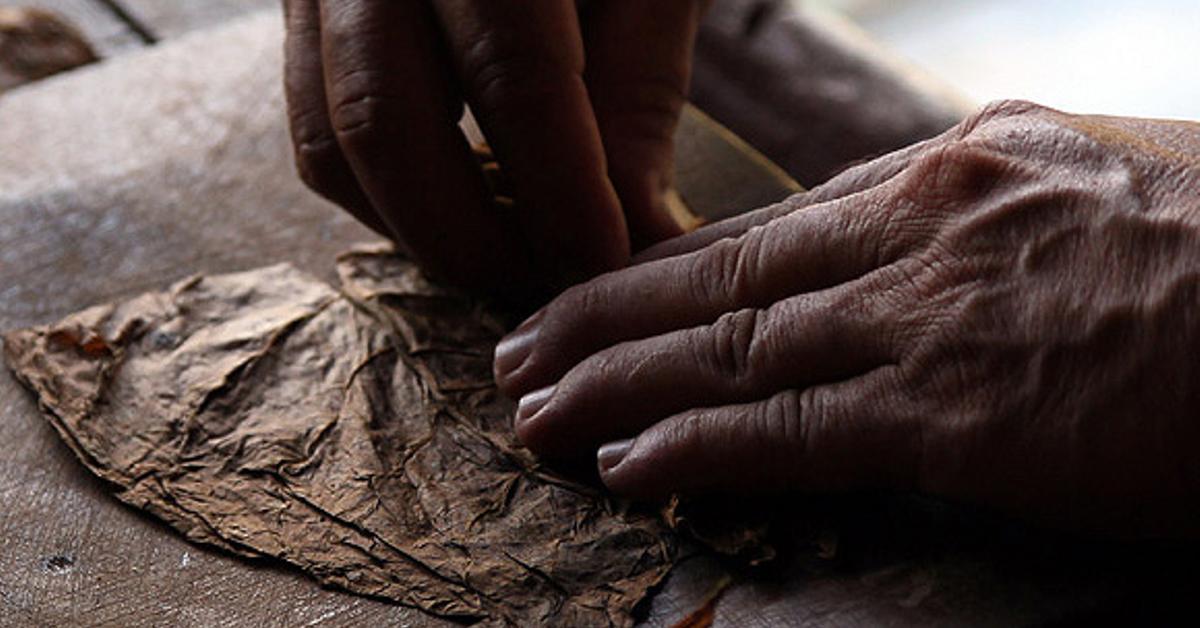
It is a blow to the official narrative that has always presented the twist as an art transmitted from generation to generation
The final calculation is that between 400 and 500 prisoners they would be today linked to tobacco, they barely receive 3,000 pesos and must work up to 14 hours a day for six days a week.
Confirmation of the use of prisoners in the production chain has fed the debate on the transparency of the cigars in Cuba, a sector that annually reports hundreds of millions of dollars to the government. Tobacco is, together with rum and tourism, one of the pillars of the island’s image abroad. That behind some of those cigars there may be hands of poorly paid inmates is a blow to the official narrative that has always presented the twist as an art transmitted from generation to generation.
Prisoners Defenders has presented the report before the United Nations and the Inter -American Commission on Human Rights. The document also describes physical punishments against inmates surprised with tobacco remains outside the work zone and insists that exploitation conditions violate international standards.
The case acquires greater relevance if one takes into account that Cuba continues to occupy a seat in the UN Human Rights Council, despite repeated complaints about political repression, arbitrary detentions and penitentiary conditions.
With each cigarette sold in the Habanos houses in Madrid, Paris or Tokyo, the question is floating: was it crooked in the lagoon by a tabaquero teacher or in a Quivicán cell for a prisoner without rights?