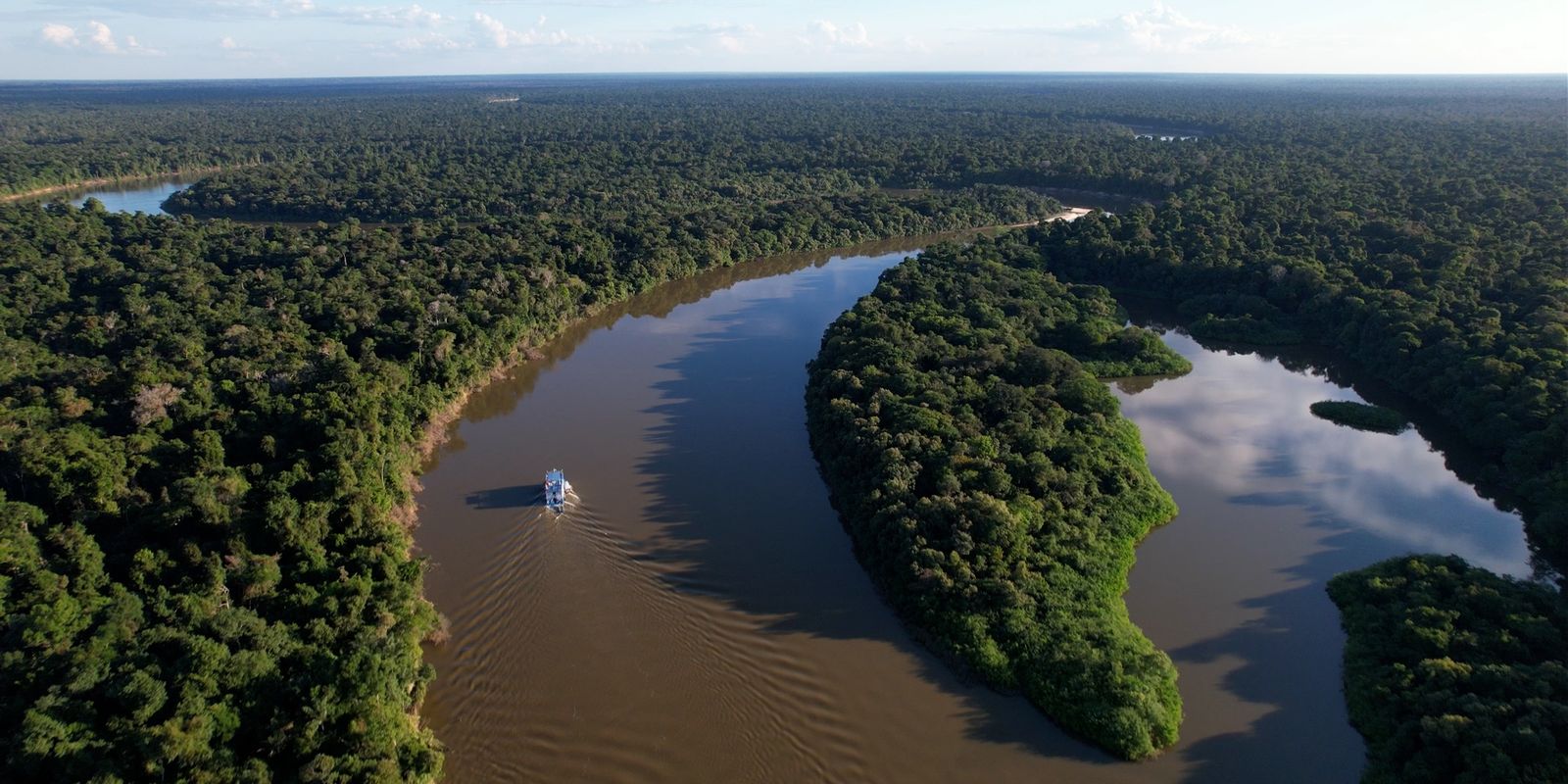
This Monday (13), the TV Brasil shows, at 11pm, a new episode of the program Reporting Pathswhich has the theme “Ituxi Expedition: the Amazon that Survives”. A team traveled to the heart of the Amazon rainforest to show how the Ituxi Extractive Reserve (Resex) works, which uses, in an economic and sustainable way, the resources of a conservation area.
Created in 2008 by the federal government, the reserve occupies an area of 7,700 km², equivalent to six times the city of Rio de Janeiro, and arose from the demand of traditional communities living in the region. The idea was to allow the population to survive off the forest’s resources without compromising its sustainability.
Vanderleide Souza, from the Chico Mendes Institute for Biodiversity Conservation (ICMBio), says that the initiative arose from a local need. “The Ituxi Reserve was being attacked by the South, due to land grabbing. And, as a result, we were losing our land”, he said.
According to those responsible, activities such as fishing, collecting fruits and seeds and even cutting down trees are permitted.. However, everything is done in a controlled manner, to prevent resources from running out and so that nature has time to recover without leaving scars on the ecosystem.
“Every activity carried out within the extractive reserve must be foreseen in the unit’s use plan or management plan”, explains Samuel Nienow, also from ICMBio. He adds: “Mining cannot be done. Cattle raising, in general, cannot be done either. As is the deforestation of large areas.”
Chestnut collection is the main economic activity carried out at Resex Ituxi. “I’ve been used to harvesting chestnuts for almost 40 years. This is part of our tradition”, says Manoel Freitas, a chestnut grower like his parents and grandparents.
Logging
THE Reporting Paths shows that wood extraction also occurs in the Ituxi Resex. However, this activity is heavily regulated because any tree felling requires environmental licensing.
“When cutting down a tree, you can only return to that region after 10 years. It is necessary to respect the forest cycle, so that it is renewed, regenerated and only then can exploration in that area be resumed”, highlights Marcus Biazatti, from Idesam, an institute that works with traditional communities in the Amazon, promoting sustainable practices in bioeconomy.
Ituxi is part of a set of protected areas, which include indigenous lands, a national park and a national forest. This region is located on the banks of the so-called Arc of Deforestation, a 500,000 square kilometer strip where the agricultural frontier advances over the forest.
“Our biggest challenge is maintaining the environmental quality of the unit, not because of the use of extractivists who live inside it, but because people from outside are reaching the edges and deforesting the surroundings of the reserve”, highlights Nienow.