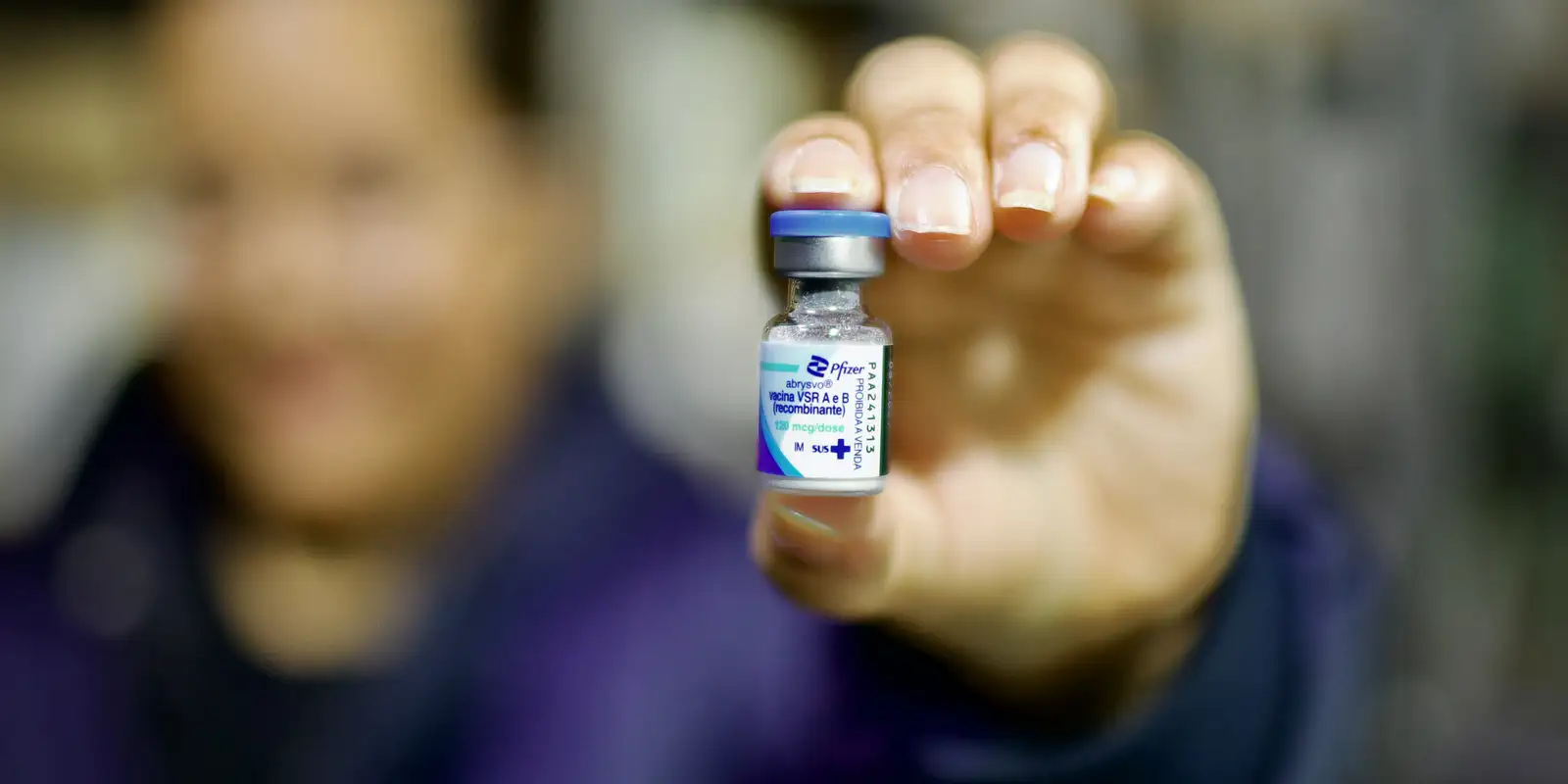
Starting this month, premature babies and those with comorbidities will be able to receive the bronchiolitis vaccine in the Unified Health System (SUS). The medication offered is nirsevimab, which increases protection against Respiratory Syncytial Virus (RSV), the main cause of the disease.
The Ministry of Health explains that nirsevimab is a monoclonal antibody, capable of providing immediate protection. There is no need, in this case, to stimulate the baby’s immune system to produce its own antibodies.
Babies born at a gestational age of less than 37 weeks are considered premature. Among the comorbidities that affect babies up to 2 years of age are: chronic lung disease of prematurity (bronchodysplasia), congenital heart disease, congenital airway anomalies, neuromuscular disease, cystic fibrosis, severe immunocompromise, of innate or acquired origin, and Down syndrome.
According to the Minister of Health, Alexandre Padilha, 300 thousand doses have already been distributed throughout the country.
The SUS already offers the RSV vaccine to pregnant women, from the 28th week of pregnancy, protecting babies from birth. The virus is responsible for around 75% of bronchiolitis cases and 40% of pneumonia cases in children under two years of age.
In 2025, until November 22, Brazil recorded 43.2 thousand cases of Severe Acute Respiratory Syndrome (SRAG) caused by RSV. Of these cases, the highest concentration of hospitalizations occurred in children under two years of age, totaling more than 35.5 thousand occurrences, which represents 82.5% of the total cases of SARG due to RSV in the period.
As most cases are due to a viral infection, there is no specific treatment for bronchiolitis. Management is based solely on the treatment of signs and symptoms that include: supportive therapy; oxygen supplementation as needed; hydration; and use of bronchodilators (substances that promote the dilation of small airways in the lungs), especially when there is obvious wheezing.