The dictatorships wrapped many countries, especially in the last century, originated their ideologies in Europe and replicating them in Latin America, not escaping the Dominican Republic from this current, with the tyranny of Rafael Leonidas Trujillo.
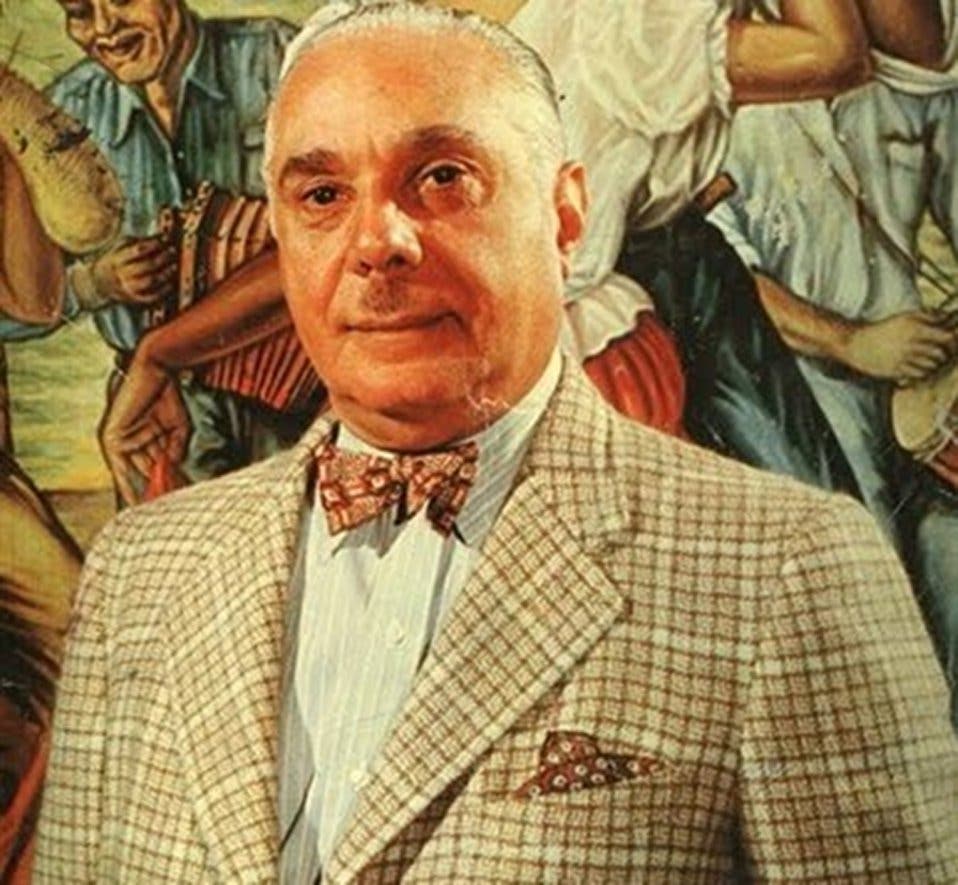
Despite having submerged the country in a repression regime for just over three decades, there is still a photo of him in the National Palace.
This image surprised Chilean deputy Diego Eduardo Ibáñez, who within the framework of a parliamentary visit to the Dominican Republic, attended the Creole government house and observed a photo of the Trujillo despot in the halls.
«Yesterday I took a tour of the National Palace And I was surprised to see a photo of Trujillo, recognized as president. In Chile, Augusto Pinochet is not recognized as president, the National Library took Augusto Pinochet the nomination as president, he was never elected. The presidents are elected democratically, Pinochet was a dictator, ”said Ibáñez.
It may interest you: Will Tsunami “affect Chile? Deputy responds
Trujillo vs Pinochet: In Chile it is different
Questioned in relation to the nostalgia of some for the “hard hand” of Trujillo and the Chilean experience with Pinochet, the leader of the Broad Front of the South American country, explained how that nation lives after the overthrow of the Pinochet dictatorship, tyranny that began with the coup to Salvador Allende in 1973.

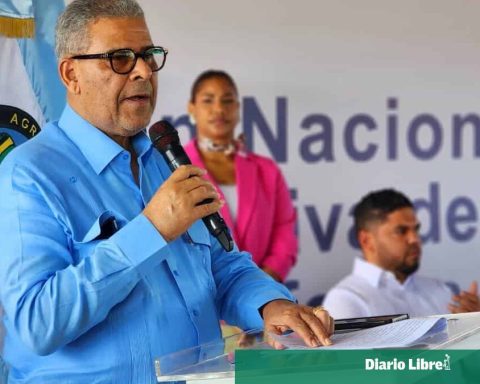
Diego Ibáñez talks about Trujillo/ Photo Félix Rojas
You can read: Augusto Pinochet
He stressed that half a century after the fact that marked a before and after in Chilean history, the president of this country, Gabriel Boric, launched a program to search “missing from the dictatorship.”

From left to right: Millizen Uribe, Diego Ibáñez and Marien Aristy.
“50 years later a search program was financed, proposed by President Gabriel Buric with permanent financing,” said the legislator.
He attributed to the struggles headed by the left parties the recovery of much of the democracy of that nation.
Coup d’etat to Salvador Allende
The coup against the government of the socialist Salvador Allende, on September 11, 1973, started at dawn, in the port of Valparaíso, in the heart of the Navy. The president repeated several times during the day that he would not give up the presidency of Chile.

The bombing led by the Armed Forces was announced for eleven, but began at the edge of noon. After half an hour of attack, with the Government Palace on fire, the balls broke through the door of the number 80 of Morandé Street. Allende, who had advanced in his last speech that he would pay with his life loyalty to the people, committed suicide on the second floor.
About Diego Ibáñez
Diego Ibáñez is a Chilean politician of the Frente Amplio party. He is 36 years old and this is his second period as a deputy. The first time he was elected was in 2018 and the second time was in 2022. In both periods he has been developing an important parliamentary agenda.
He currently integrates the permanent work and social security commissions; and fishing, aquaculture and maritime interests.
He also participated in the Special Investigative Commissions on: alleged irregular use of waters in Cuenca Río Huasco, especially river Matancilla; Eventual irregularities in internal tax service and commission for the financial market; Fire Region of Valparaíso 2024; Operation of the association of municipalities with popular pharmacies; and acts of authorities and police after criminal complaint against former Subsecretary Monsalve.
Since July 2024, it is part of the Broad and Independent Front Committee.
Political and public career
The Library of the National Congress of Chile includes in the biographical review of Diego Ibáñez, which its political career began with the 2006 penguin revolution, being co-vo-life of the Secondary Student Coordinator of Quilpué.