Researchers at the National Center for Energy and Materials Research (CNPEM) disclose on Thursday (13), in the journal Nature, the process and potential of an isolated biocatalyst from Brazilian soil bacteria, called Celloce (from English, cellulose Oxidative Cleiving enzyme).
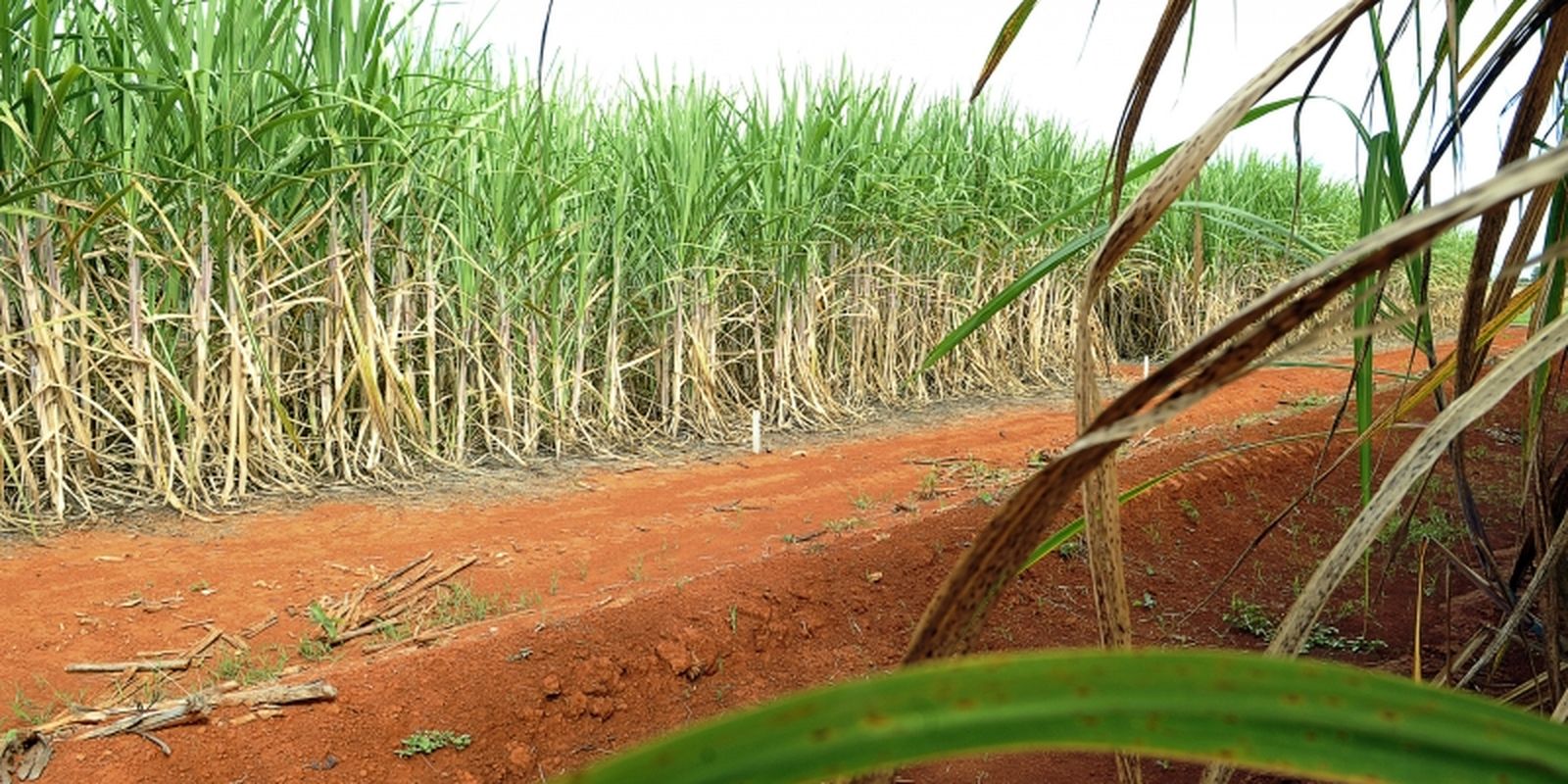
Samples are from areas normally covered by sugarcane bagasse, and the bacteria analyzed did not have a “laboratory phase” selection and creation. The research was from bioprospecting, when the microorganisms with potential were found to the production of the enzyme on an industrial scale, in the CNPEM pilot plant. The enzyme has already had its request for registration of patent deposited and is in licensing for industrial use. Use in the productive sector may start between one and four years after licensing, depending on the technology applied to its development.
Finding bacteria was not an accident, but part of the results of the Brazilian Biodiversity Microbial Life Genetic Mapping Program, conducted by CNPEM with national and international partners, such as what isolated compounds with potential for medical use in bacteria of a conservation unit in the Amazon. This discovery had partnerships with the France’s National Institute for Agriculture, Food and Environment (Inrae, from Aix Marseille University), and the Technical University of Denmark (DTU).
The “way” to reach it can also be tested under other conditions and indicate compounds with potential for recycling in petrochemicals and plastics. It is almost like spying on bacteria and copying their solutions.
Small enzymes
Celoce is a very small enzyme, consisting of 115 amino acids, which makes it simpler to change in laboratory than the type of enzyme currently used. This “flexibility” is one of the reasons that makes it treated by the CNPEM team as a breakthrough, with the potential to change the biomass -based production chain, and can be used in fuels, in products obtained by petrochemicals, such as plastics, acids organic and other molecules. Data under industrial conditions showed that when used together with enzymes already used in the industry, Celoce increased by 21% the amount of glucose released from plant waste.
It works by accelerating the breakdown of cellulose by deconstruction, the necessary step to produce energy in the process of biochemical construction. “This discovery changes the paradigm of cellulose degradation in nature and has the potential to revolutionize biorefinaries,” explained CNPEM researcher Mario Murakami, responsible for leading the studies.
“The research was motivated to elucidate the metagenomic dark matter, which are the genes of unknown function of unpublished and non -cultivable microorganisms in the laboratory. More than 90% of microbial life are still unknown and may contain information capable of changing our understanding of many processes in nature, as well as the degradation of cellulose, which was the discovery in this work.
Understanding the action of the enzyme on cellulose was possible thanks to the entire equipment park and the cast of CNPEM researchers, allowing the elucidation of the three -dimensional structure and the mechanism of recognition of cellulose fibers. Its unique mechanism, based on Redox biochemistry, leads to gains higher than what is known in the state of the state, ”concludes Murakami.