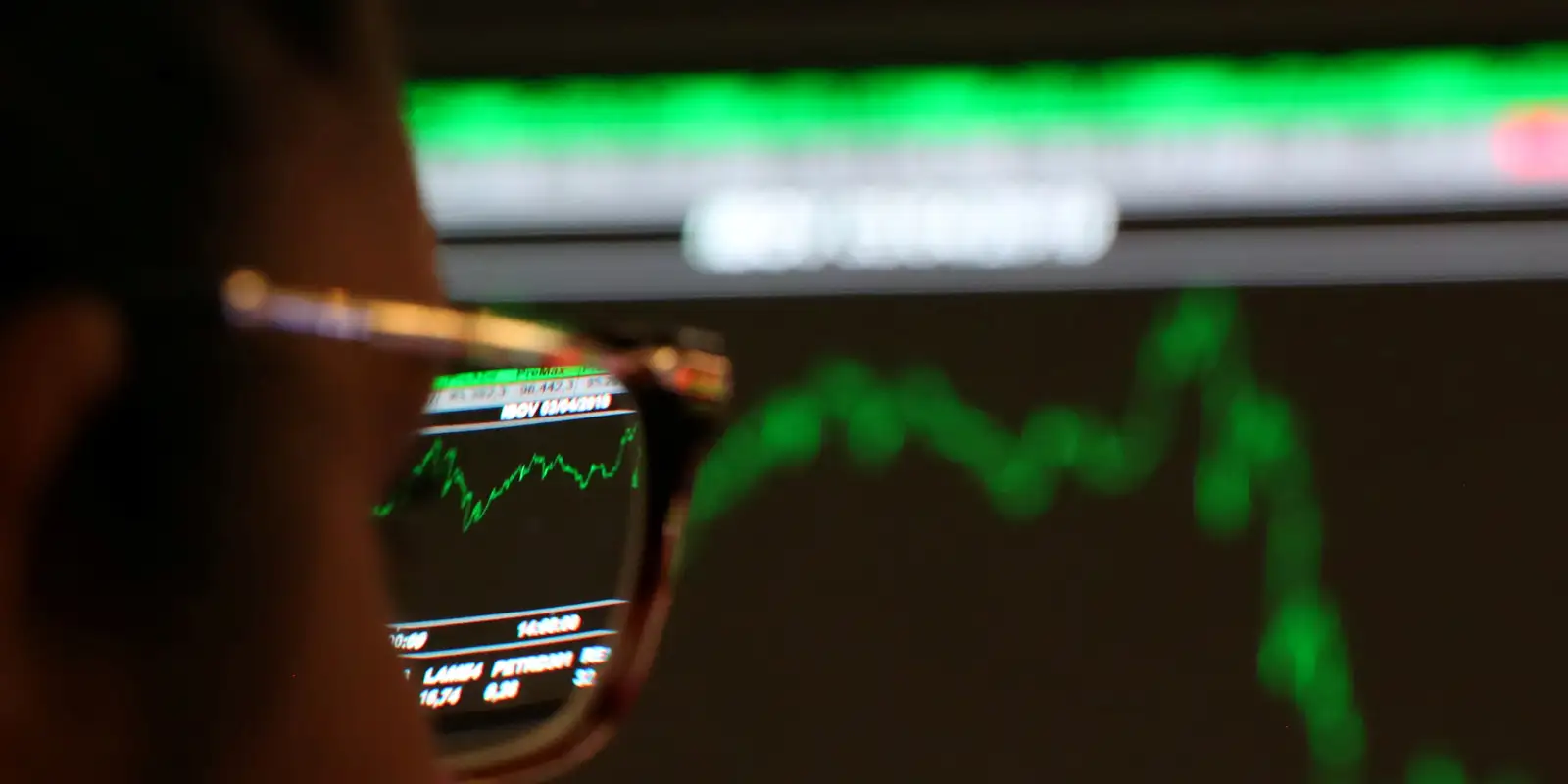
In another day of euphoria in the financial market, the stock market reached 179 thousand points, breaking a record again and recording the best week since April 2020. The dollar had a stable day and remains below R$5.30.
The Ibovespa index, from B3, closed this Friday (23) at 178,858 points, an increase of 1.86%. The indicator rose 2.38% and surpassed 180 thousand points at 5:31 pm, but slowed down in the final hour of trading with investors taking profits and selling shares to pocket recent gains.
In the fourth record in a row, the Brazilian stock market rose 8.53% in the week. This was the biggest weekly increase since the week ending April 9, 2020, when the stock market rose 11.71%. At the time, the stock market was recovering from sharp falls in previous weeks, marked by the start of the Covid-19 pandemic.
The euphoria was not repeated in the foreign exchange market. After two days of sharp decline, the commercial dollar closed Friday at R$5.287, an increase of just 0.05%. The price reached R$5.30 at the end of the morning, due to investors who took advantage of the cheap dollar to buy currency, but returned to operating close to stability with the inflow of foreign capital.
The US currency fell 1.61% in the week. In 2026, it accumulates a drop of 3.68%. The price is at its lowest levels since the first half of November.
Once again, the global market is witnessing a flight of capital from the United States, which benefits emerging countries, such as Brazil. This month alone, until January 21st, B3 recorded a net inflow (inflows minus outflows) of R$12.35 billion. This is equivalent to almost half of the R$25.5 billion positive balance recorded in 2025.
In the case of the dollar, high interest rates in Brazil help to attract foreign capital, which takes advantage of the strong difference in rates compared to advanced economies. Next week, the Central Bank’s Monetary Policy Committee (Copom) meets to assess the future of the Selic Rate, the economy’s basic interest rate, currently at 15% per year, at the highest level in almost 20 years.
* With information from Reuters