In another day of correction in the financial market, the stock market fell again, but remained at 157 thousand points. Pressured from abroad, the dollar rose slightly, but remained below R$5.30.
The Ibovespa index, from B3, closed this Thursday (13) at 157,162 points, with a decline of 0.3%. The indicator surpassed 158 thousand points at the opening of negotiations, but reversed the movement after the opening of markets abroad. At 4:14 pm, the index fell 0.68%, but reacted in the final hours of trading and reduced the decline.
That was the second fall in a row of the Brazilian stock market after Tuesday’s record (11). From October 21st to November 11th, the Ibovespa rose for 15 consecutive sessions, breaking records 12 times in a row.
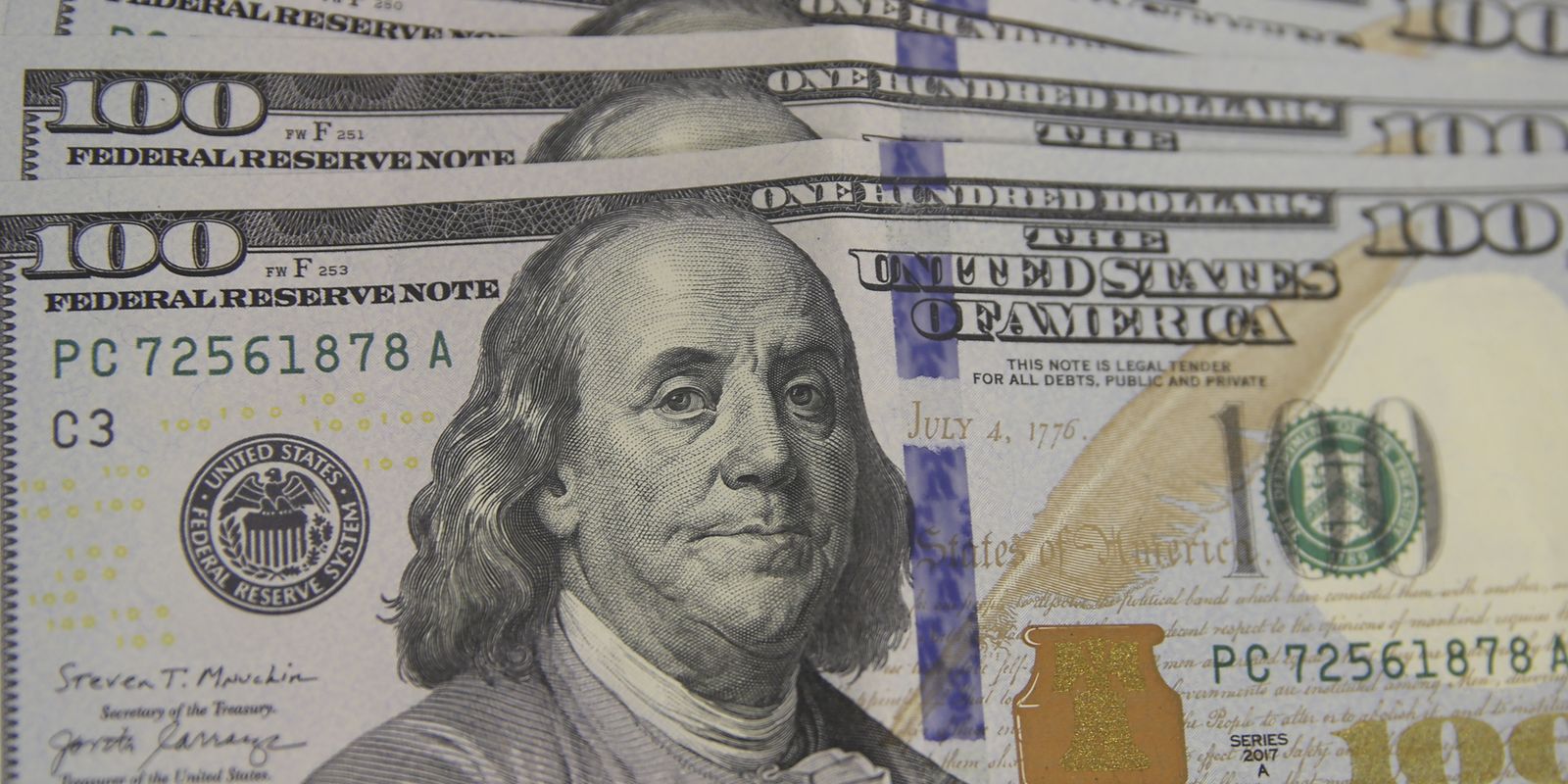
The foreign exchange market also had a day of adjustments. The commercial dollar closed at R$5.298, up just 0.1%. The price fell to R$5.27 in the first minutes of trading, but began to rise during the afternoon, until ending close to the day’s high.
This was the second appreciation of the dollar after five falls. Even with this Thursday’s rise, the US currency fell 0.7% in the week. The currency accumulates a drop of 1.52% in November and 14.27% in 2025.
Without major news on the domestic market, international pressure prevailed. Despite the US Congress approving the end of the shutdown of the largest economy on the planet, the country’s stock markets fell with fears of a financial bubble bursting in the technology sector.
In addition to the threats of an economic crisis in the United States, the statements by the president of the Federal Reserve (Feb, American Central Bank) that there is no guarantee of an interest rate cut in December, caused the dollar to rise throughout the afternoon throughout the planet. High rates in advanced economies encourage capital flight from emerging countries, such as Brazil.
* with information from Reuters













