The state of São Paulo recorded the second case of measles this year. According to the State Department of Health, the patient is a 27-year-old man, resident of the capital of São Paulo, unvaccinated and who had recently traveled abroad. According to the ministry, he has already received medical attention and was discharged.
THE another case it had been identified in April this year, also in a resident of the capital of São Paulo.
Between January and November this year, 37 cases of measles were confirmed throughout Brazilaccording to information from the Ministry of Health. All of these cases were imported, that is, acquired during travel, without local transmission of the virus.
The number of measles cases has been intensifying this year in the Americas. As of November 7, 2025, according to the Pan American Health Organization (PAHO), 12,596 cases of measles had been confirmed in ten countries in the Americas, with 28 deaths, most of them registered in Mexico.
According to PAHO, this transmission has mainly affected communities with low vaccination coverage: 89% of cases occurred in unvaccinated people or with status unknown vaccine.
Measles and vaccination
Measles is a highly contagious infectious disease that was once one of the main causes of child mortality in the world. The virus is transmitted from person to person, via air, whether by coughing, sneezing, talking or breathing.
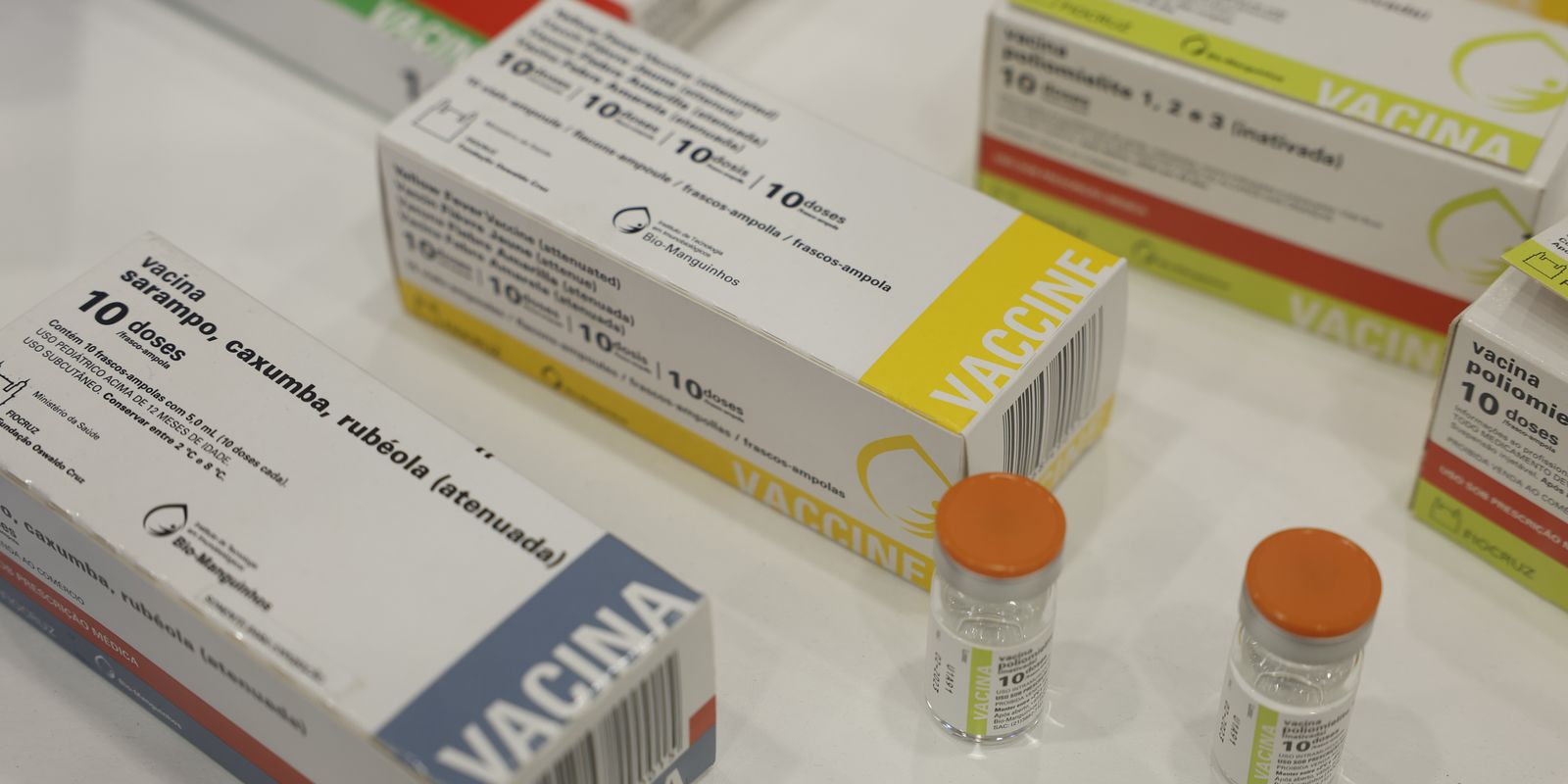
The disease is so contagious that an infected patient can transmit it to 90% of people nearby who are not immune. Therefore, measles vaccination is extremely important. Immunization is the main form of prevention against the disease.
The main symptoms of measles are red spots on the body and a high fever, above 38.5 degrees, accompanied by cough, conjunctivitis, runny nose or intense malaise. Cases can develop into serious complications that can cause severe diarrhea, ear infections, blindness, pneumonia and encephalitis (inflammation of the brain). Some of these complications can be fatal.
Certificate
In 2016, Brazil had received certification of the elimination of the virus that causes measles. According to the Ministry of Health, in 2016 and 2017 no cases of the disease were confirmed, however, in 2018, with the large migratory flow associated with low vaccination coverage, the virus began to circulate again. In 2019, Brazil lost its certification as a “measles virus-free country”, with more than 21,700 cases recorded.
In June 2022, the country recorded the last endemic case of measles, in Amapá. As a result, in November last year, PAHO once again certified Brazil as free from the circulation of the virus, even with the record of imported cases of the disease. This occurred because the country was able to demonstrate that there was no transmission of the measles virus within the national territory for at least a year.
Last November, with the high circulation of the virus, PAHO announced that the Americas region lost verification area free from endemic measles transmission. Despite this, the Ministry of Health reported that Brazil still maintains its international certification as a country free from the circulation of the virus.