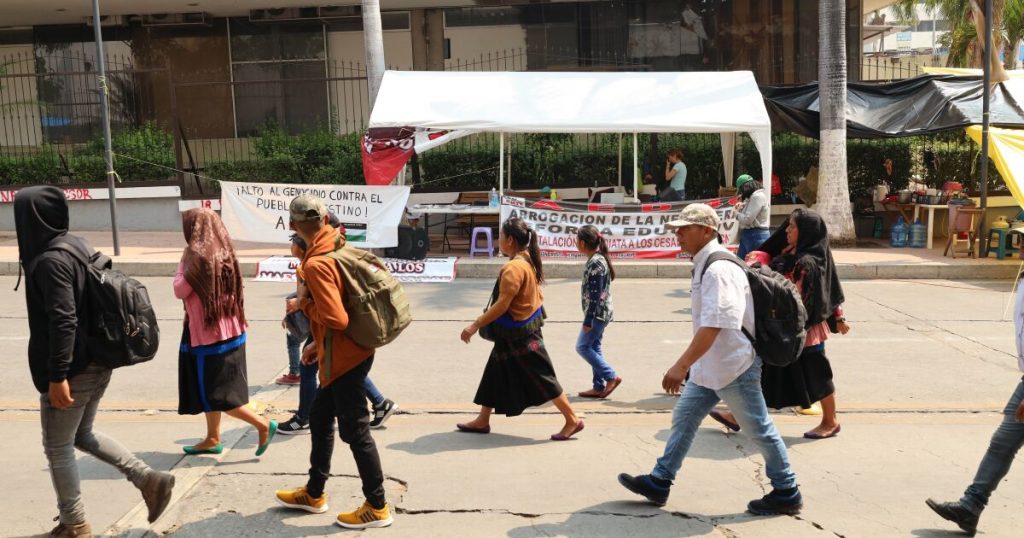
Cuba currently depends more than 80% on imports to cover basic food needs.
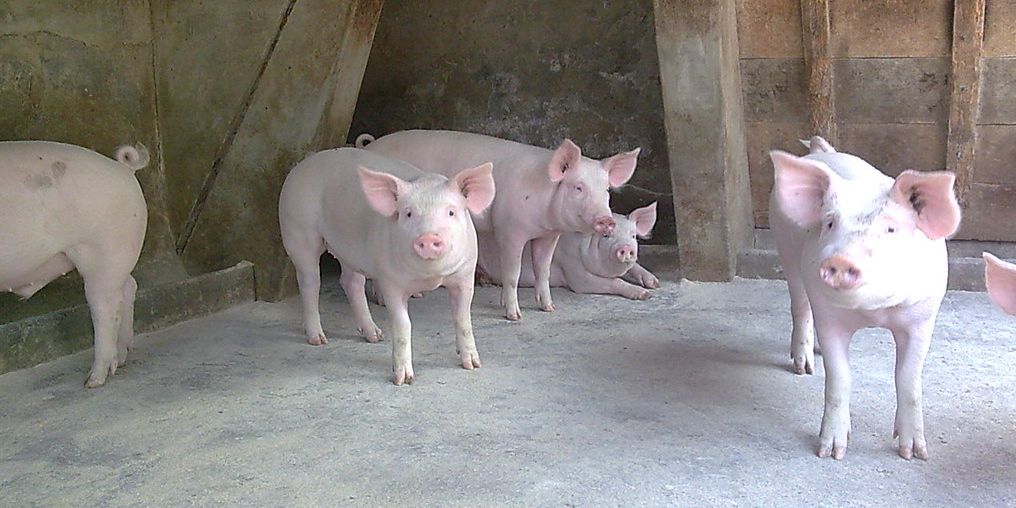
LIMA, Peru – Spain suspended some 120 pork export certificates to nearly 40 countries, including Cuba, due to the appearance of two cases of African swine fever (ASF) in wild boars in Catalonia.
A newspaper report The Vanguard reported that among the Spanish products that will be banned from import are pork meat and products, sausages, hams, pork fat, viscera, genetic material, semen, breeding pigs, raw materials for feed, fattening piglets, pork guts or embryos.
In addition to Cuba, other countries affected by the measure are China, Russia, Brazil, Canada, Chile, Colombia, Costa Rica, Ecuador, United States, Philippines, Japan, Mexico, Peru, South Africa, Thailand, Uruguay or Venezuela, among others.
The suspension will be in force until the Spanish Government defines the situation based on the agreements signed with various countries.
For Cuba, the Spanish measure is an especially strong blow, since the Iberian country has become one of its main suppliers of pork in recent years.
The context of the Island is also marked by serious food insecurity. 42% of households spend their entire income on food and one in four Cubans is forced to skip dinner due to lack of resources, according to the report “There is hunger in Cuba” published in 2024 by Food Monitor Program.
Eight out of ten households are on the margins of survival and seven out of ten people admit to stopping breakfast, lunch or dinner due to lack of food or money.
At the same time, The Castro regime allocates barely 3% of its state budget to the agricultural sectorwhich has caused a dramatic drop in domestic production.
Today, Cuba depends more than 80% on imports to cover basic food needs. The country imports rice, milk, meat and oil in insufficient quantities, while maintaining rigid state controls that discourage private production and suffocate any independent initiative.