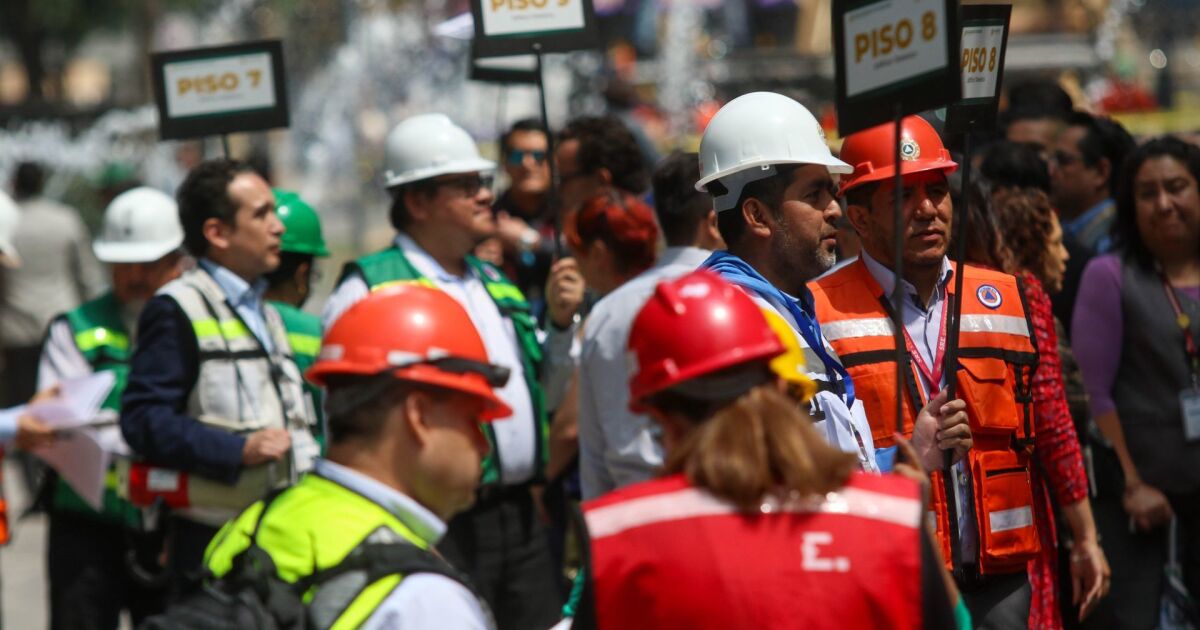
That presence and global support showed how valuable it is to have local and national experience, and also with support for the humanitarian response from beyond our borders. In addition, that first effort marked a before and after in the way of understanding medical-humanitary help in Mexico.
And here it should be clear. The earthquake was a watershed, but the emergency did not end with the reconstruction that, in fact, lasted several years. What began as an immediate response revealed another reality: that in Mexico, as in other parts of the world, crises bring to light other lacks and needs unattended. Behind each natural disaster or episode of violence, there are lives that remain marked long after the cameras leave. Therefore, humanitarian action must go further and contribute to communities again standing.
In these four decades it has become clear that emergencies in Mexico are recurring. And it is also necessary to highlight that the country has taken gigantic steps – and could say, specimens – in its response capacity. However, crisis situations have continued to occur: hurricanes that devastated entire communities, floods in the southeast that left thousands of families exposed to diseases, epidemics that hit those who have less access to medical services, forced displacements and episodes of violence that left deep physical and psychological injuries. Even pandemic reminded us that the urgency does not end when the infection curve lowers, but when communities manage to recover their self -management and well -being capabilities.
Each of these phenomena shows that an emergency is treated in hours or days, but its consequences remain for years. And if there is no continuity and reconstruction of capacities, the urgent becomes oblivion.
That is perhaps the biggest challenge we face as a society. Learn that humanitarian aid should not be measured only depending on the magnitude of the tragedy, but of the value of each life. It means putting the patient and the communities affected in the center of the responses. When the attention is concentrated only at the time of the collapse of capacities, but disappears in the slow recovery, there is a risk of perpetuating the shortcomings.