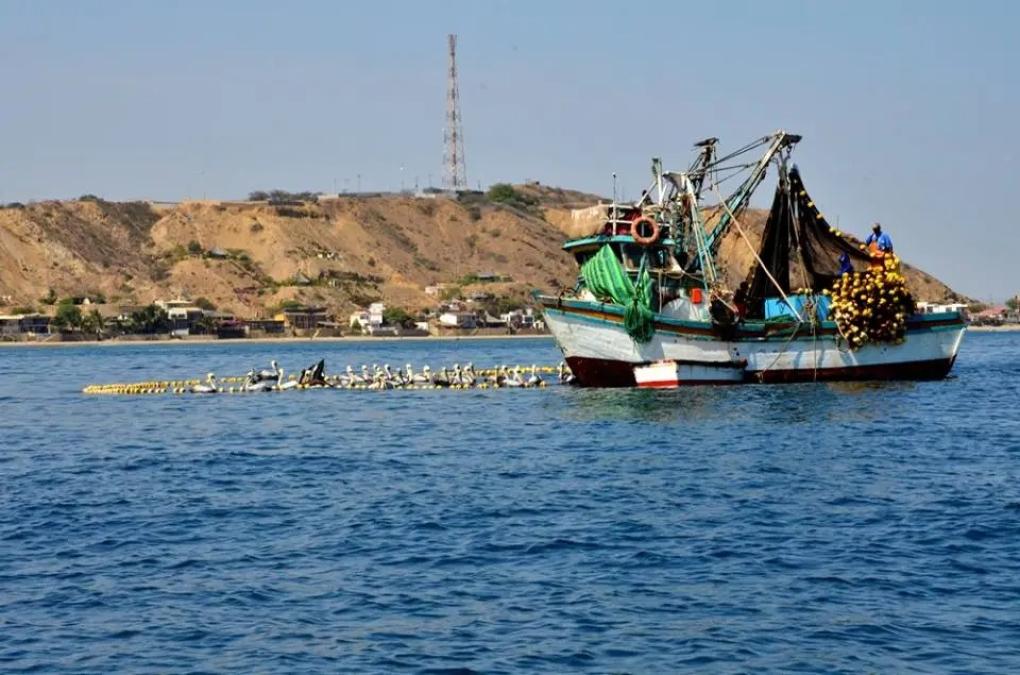
Illegal fishing threatens to become the next big economic and security problem for Peru. This was warned by Jessica Luna, president of the National Fishery Society (SNP), who compared its advance with the impact currently generated by illegal mining in the country.
“Unfortunately, today the focus is on illegal mining. If we do not advance quickly to address the urgent problem of illegal fishing, we will have the same thing that we are seeing in illegal mining, in illegal fishing,” he told RPP.
According to the Ministry of Production (produces), illegal fishing causes annual economic losses estimated at 500 million dollars. However, the damage goes beyond the monetary: it implies exploitation of marine resources with destructive methods – such as the use of explosives – illegal construction of boats and activities related to money laundering.
“This illegal ecosystem feeds extortion, sicariato and the insecurity that all Peruvians live worried in day to day,” Luna said.
One of the main obstacles to face this problem is the lack of traceability and control in much of the fishing fleet. While anchovy industrial fishing has satellite control and permanent traceability, in other sectors the control is almost non -existent. Produce has tried to implement satellite control in artisanal fishing, but faces resistance from a sector that operates outside the law.
“There are 14,000 vessels without satellite control of a total of 18,000,” said Luna, highlighting that formal fishing represents a minority, a situation similar to what happens in mining.
The SNP holder stressed that fighting the mafias of illegal fishing requires articulated work between the Ministry of Production, the Prosecutor’s Office, the Armed Forces and the Judiciary. The most affected areas are located in Ica, Chimbote, Paita and Piura, where joint operations are required.