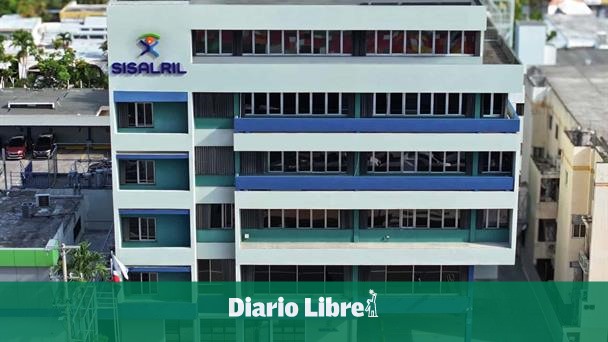
The Superintendency of Health and Occupational Risks (Sisalril) reported this Monday that it has the Cancer Observatorya technical table dedicated to the collection, organization and analysis of the incidence of this disease in the Family Health Insurance (SFS).
Through a press release, they indicated that the Cancer Observatory of the Sisalril has managed to determine the cancers with the greatest impact on the Dominican population. Among them mother’s, prostateskin, uterus, colon, bronchi and lung.
This information has been used as a basis to promote important reforms in the health system. FSS coverage.
In that sense, they pointed out that in 2022, for example, the National Social Security Council (CNSS) accepted a proposal from the Sisalril to increase the amount allocated to high-cost medications for cancer patients from 1,000,000 to 2,090,000.
Likewise, they stated that other coverage was expanded, such as oncological treatments, BRCA 1 and 2 genetic testing to detect hereditary mutations, mastectomies for risk reduction, breast reconstructions with expanders and prostheses for cases of breast canceramong other procedures.
Furthermore, the expansion of other coverage such as oncological treatments, BRCA 1 and 2 genetic testing to demonstrate cancer mutations in the family, mastectomy for risk reduction, breast reconstruction with expander and prosthesis in cases of breast canceramong others.
By mid-2025, the Sisalril requested the incorporation of 14 new medications high cost in Catalog of Benefits. These include treatments for childhood cancer, breast cancermetastatic, neuroendocrine tumor and other biological therapies for immunological diseases.
About the Cancer Observatory
He Cancer Observatorya technical table dedicated to the collection, organization and analysis of the incidence of this disease in the Family Health Insurance (SFS).
He Cancer Observatoryidentifies affected patients, evaluates the efficiency of medical care, the treatments applied and the cost of each case. It is made up of a technical team and specialized in the various directions that make up the Sisalril.
One of the critical points that the Observatory monitors is the stage at which cancer is detected in the patient, which has made it possible to design preventive policies that prolong and improve the quality of life of those affected.
It works with a monitoring system that is nourished by the information reported by the Health Risk Managers (ARS) and Health Service Providers (PSS) on benefits and services provided to members.
To reinforce this initiative, the Sisalril maintains agreements with institutions like him National Cancer Institute Rosa Emilia Sánchez Pérez de Tavares (Incart) and other specialized centers.