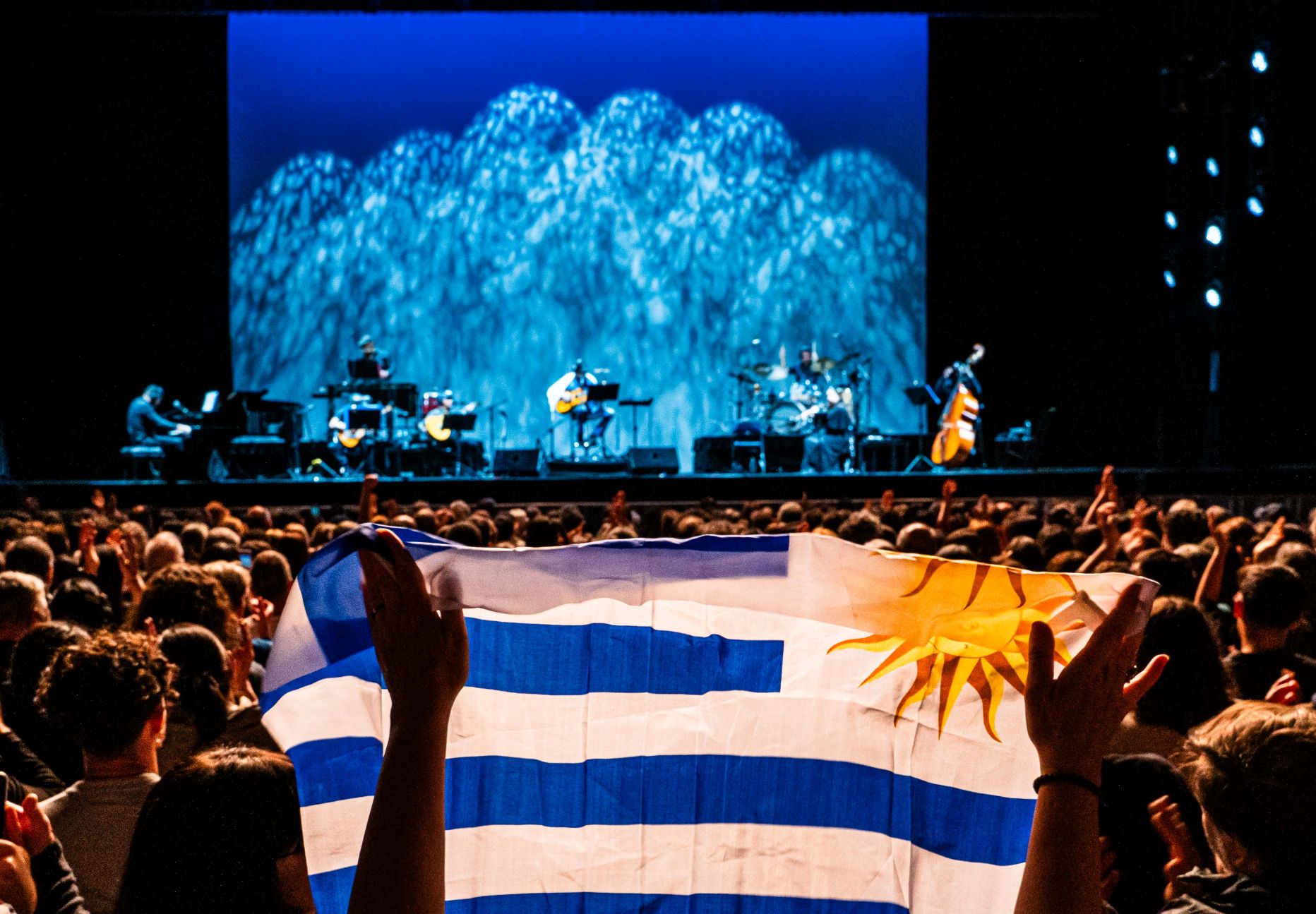
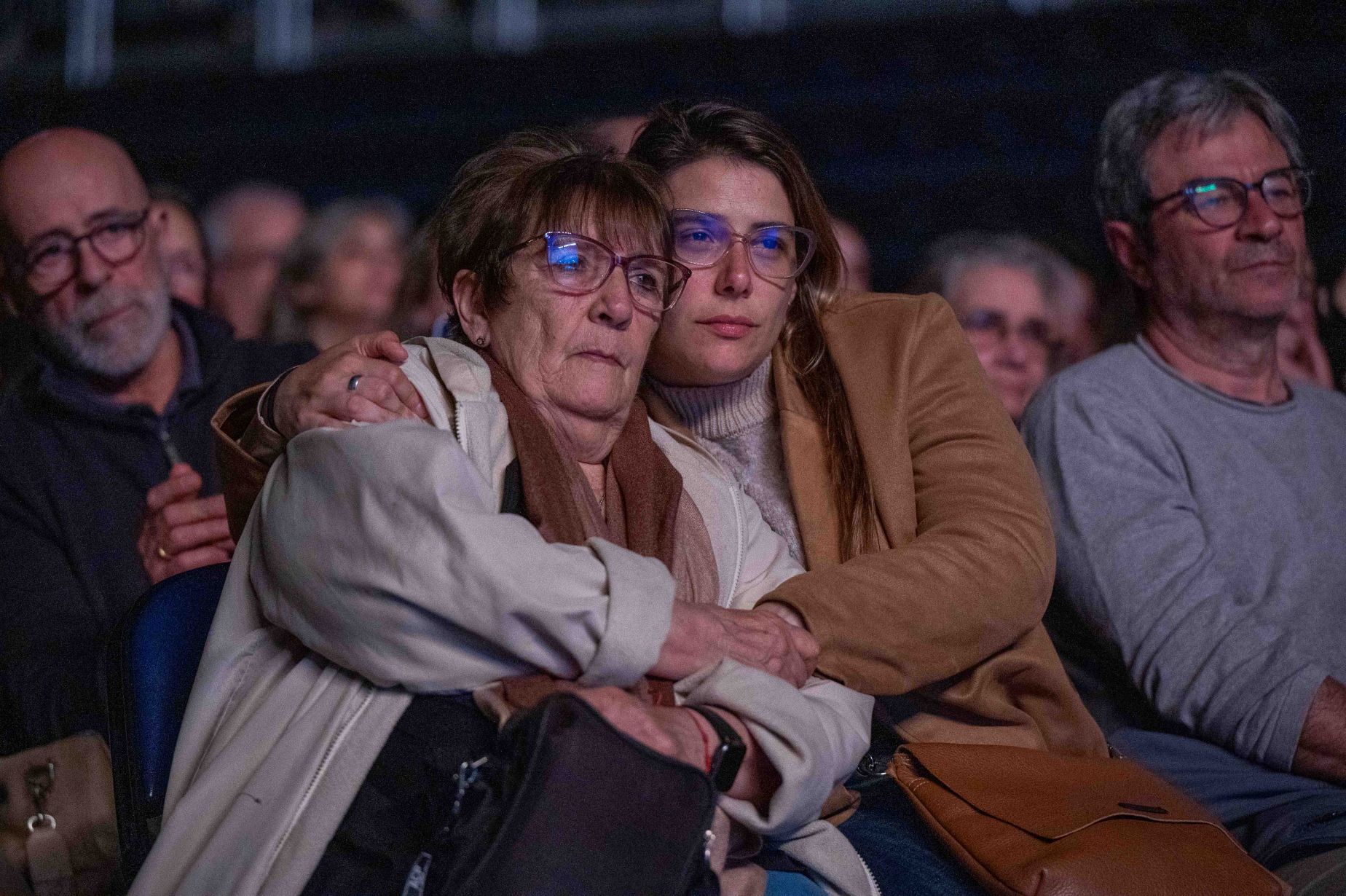
The emotions happen concert by concert. When you think that you are already seasoned, that after so many nights in front of the troubadour the tears will cost more, suddenly, there they appear. This is what happened on the Uruguayan stop of Silvio Rodríguez’s South American tour. The two concerts at the Antel Arena – Friday and Saturday, sold out for months – had their own dose of sighs, tears, hugs and cheers.
“Let’s go up!” the crowd shouted over and over again. That phrase, so typical of these lands, turned into a collective hug, was the invisible thread of two nights that reminded us why the song—when it is born from the soul—continues to be a territory of resistance and tenderness.
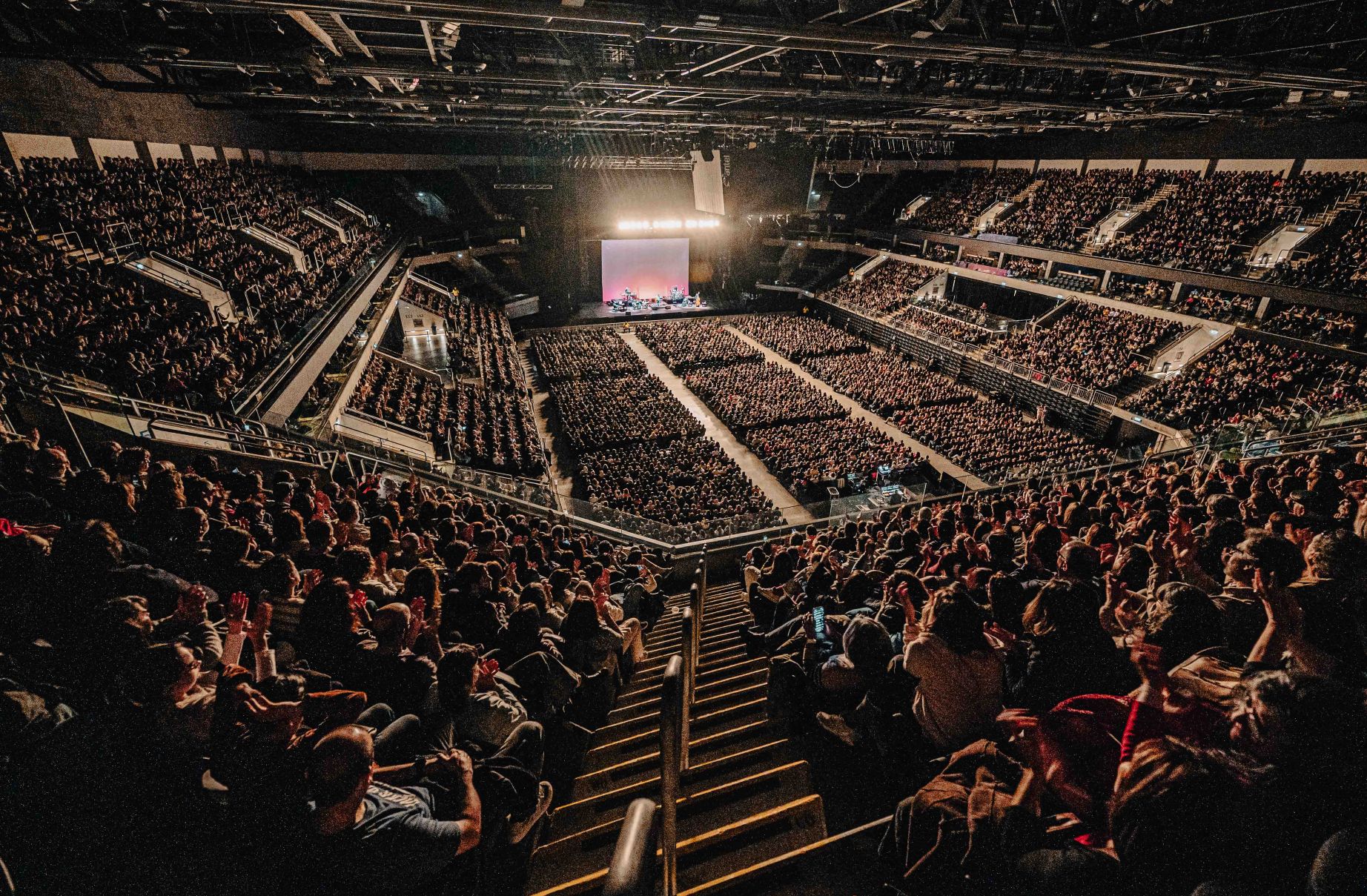
Thirteen years after his last visit—that windy night in the Olympic Grandstand of the Centenario Stadium—Silvio sang again in Uruguay. Recovered from the dysphonia that had affected him days before in Buenos Aires, as a result of a flu case, he resumed his “I wanted to know” tour here, which travels through five South American countries: Chile, Argentina, Uruguay, Peru and Colombia.
“Rarely does a double date sell out so quickly in Montevideo,” commented one of the local organizers. “Much less in the case of a recital where, almost exclusively, you attend to listen to a singer with his band,” he added, still amazed.
The audience knew that there would be no side screens, and the entrance notice warned: “It will be a concert to surrender to the art of music through song.” And so it was. A meeting without artifice, where music and words were enough to sustain the entire universe of an artist who has made verse a way of looking at the world.
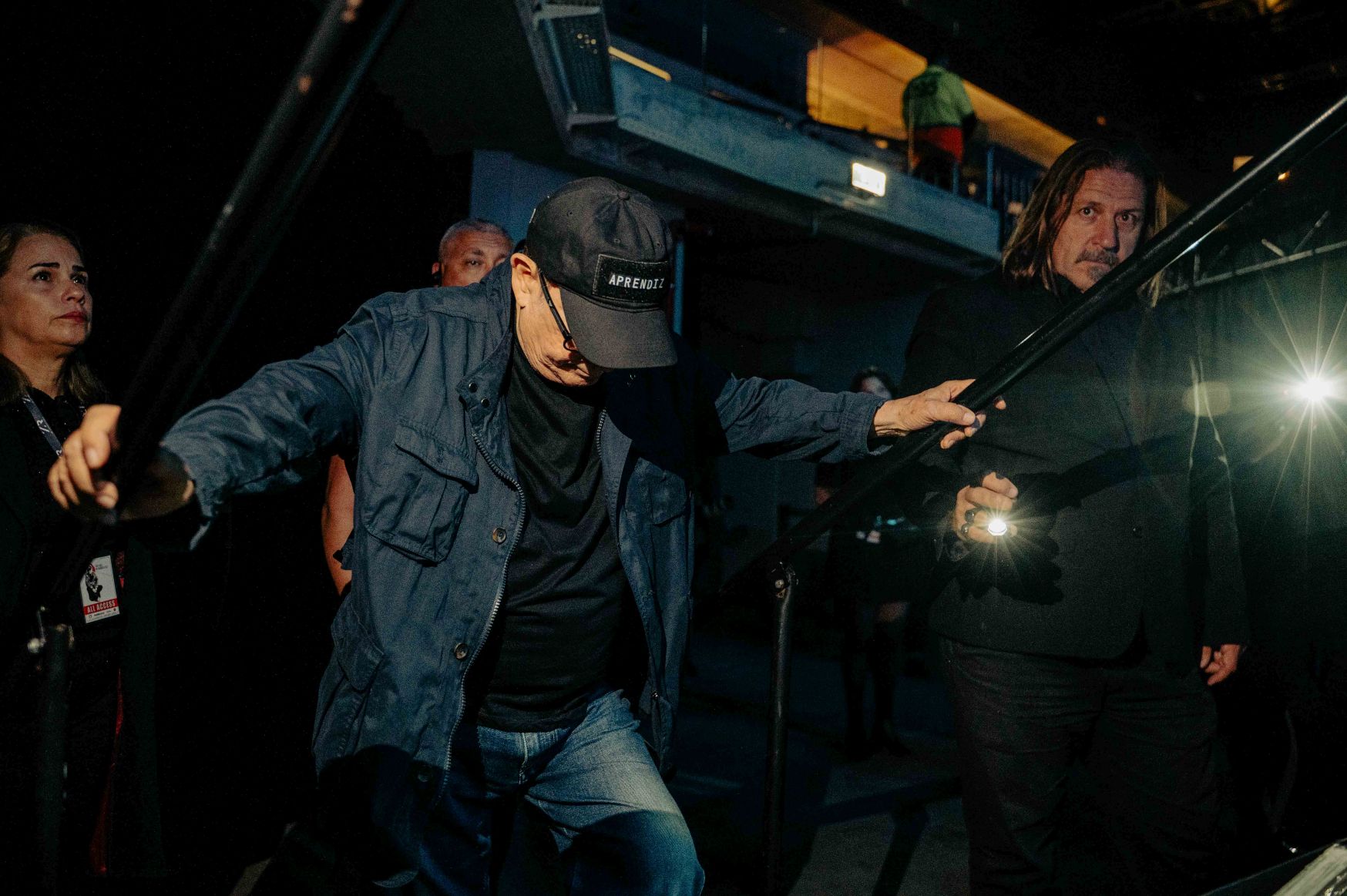
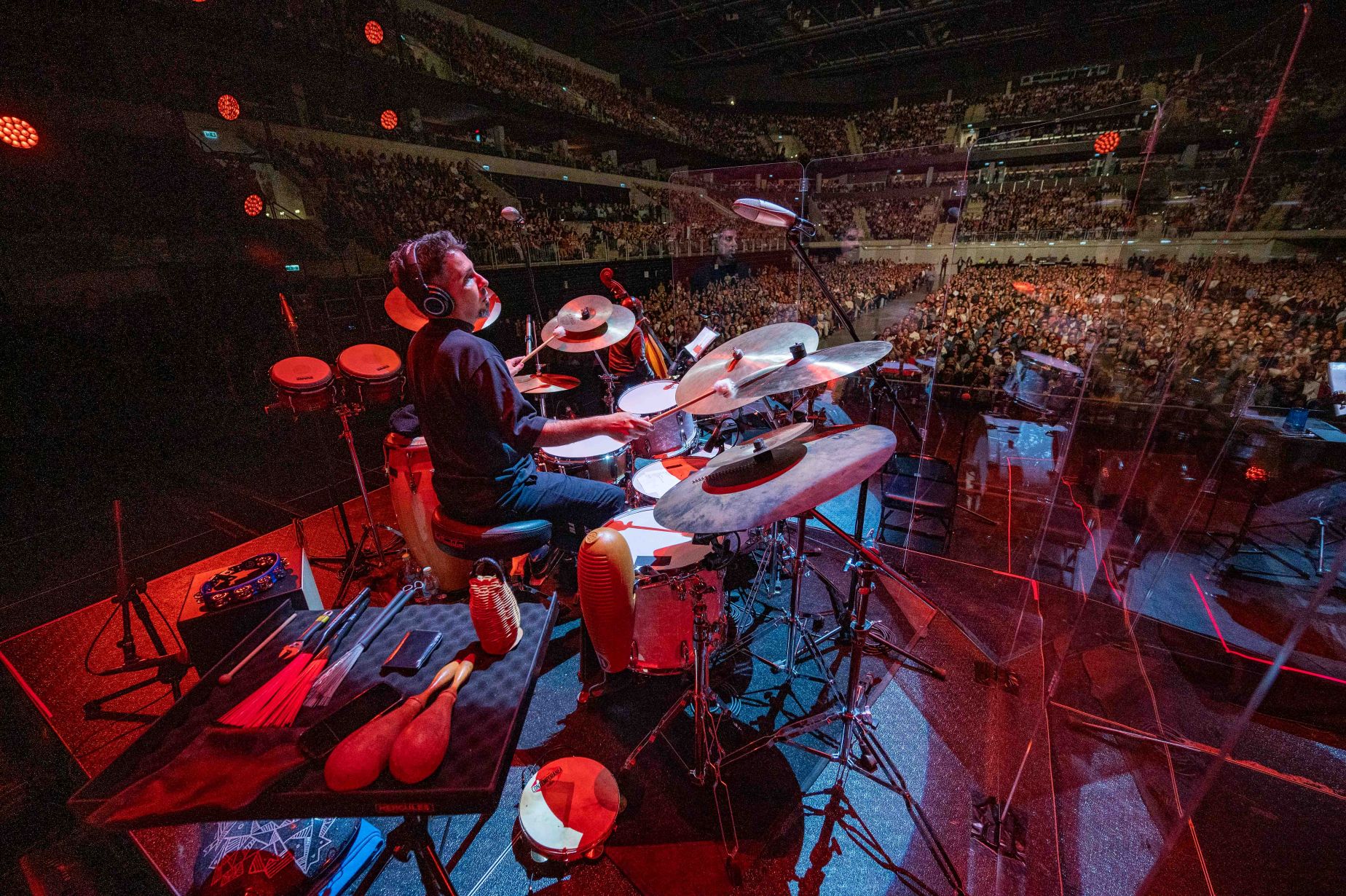
Friday was particularly busy in Montevideo. By pure chance, two figures from very different worlds, but equally loved by the Uruguayan public, met in the city—playing at the same time: the Cuban troubadour and the legendary British musician Rod Stewart.
While Silvio filled the Antel Arena with his guitar and his metaphors, Stewart made the Centenario Stadium vibrate with his farewell tour “One Last Time”.
A pearl that reflects the family scale of Uruguay: both artists and their musicians shared the same hotel.
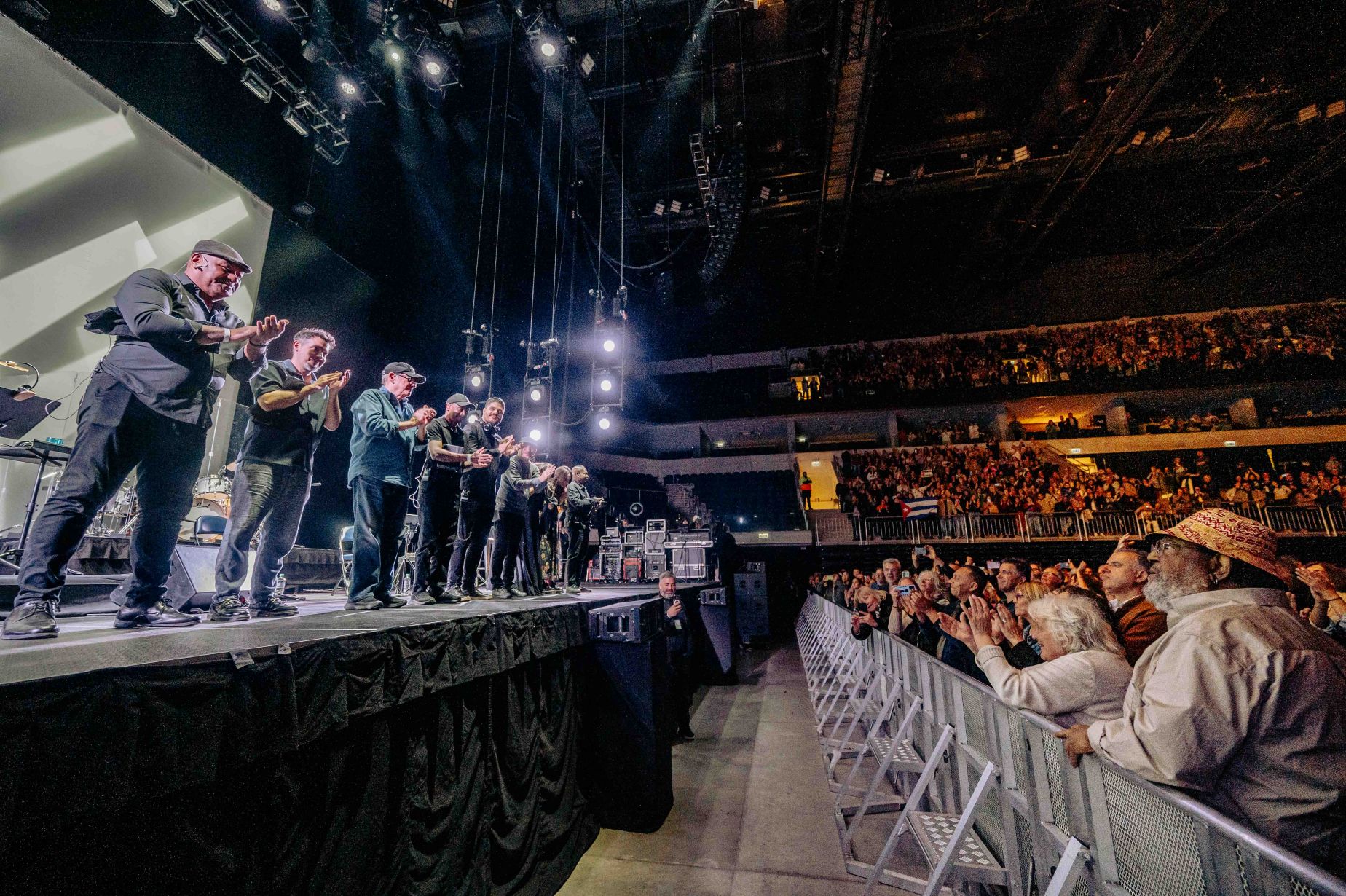
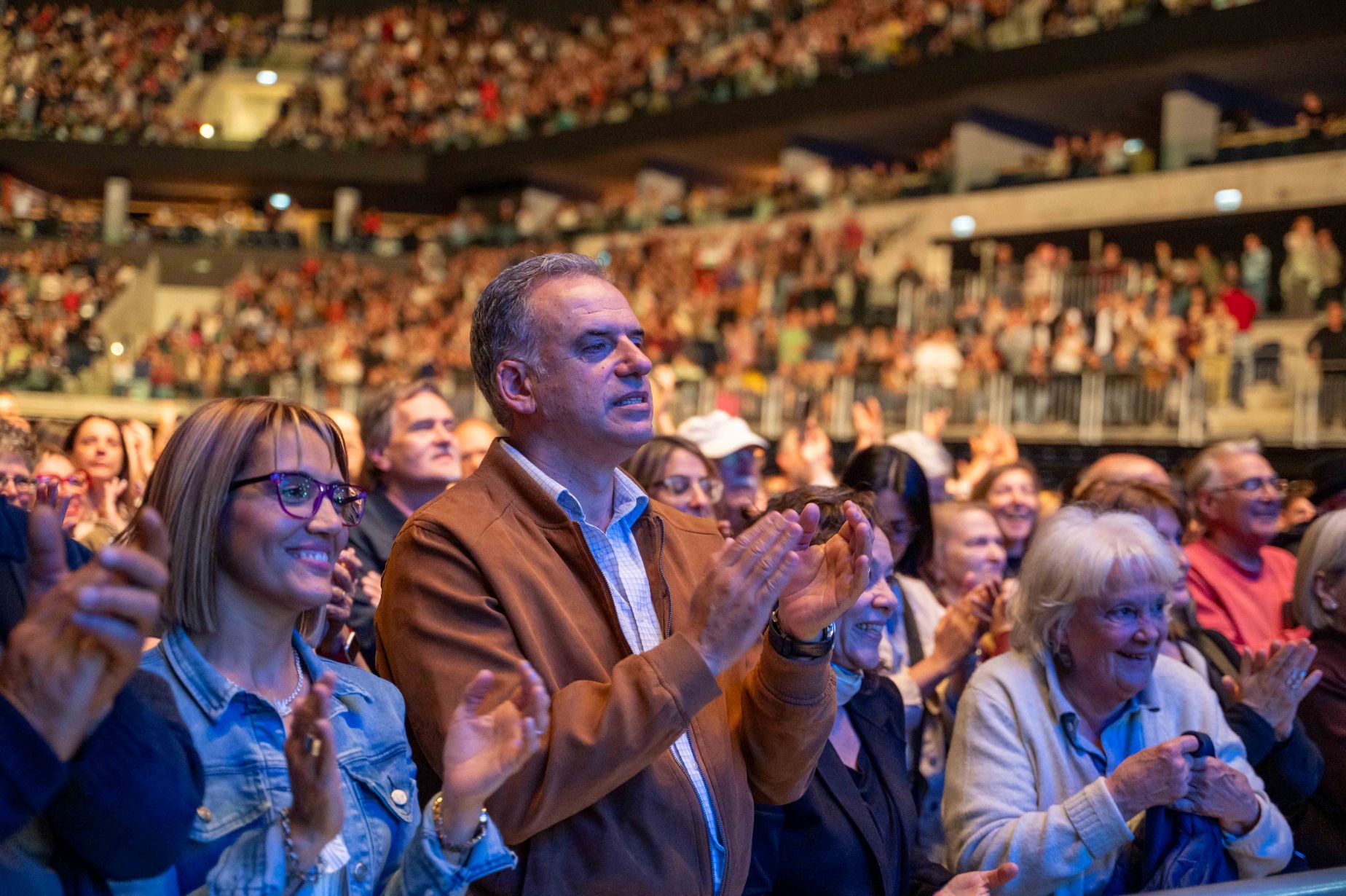
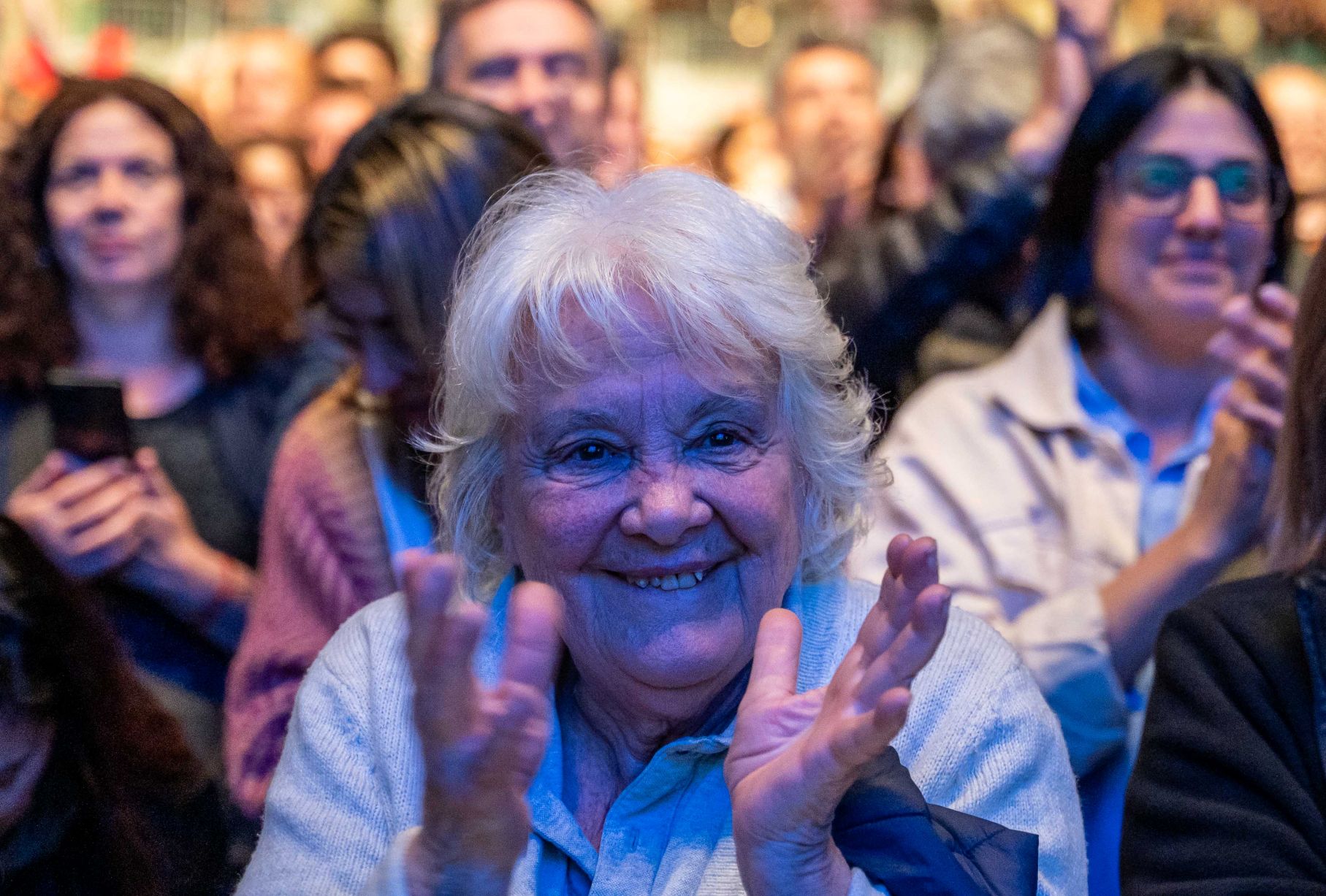
And as if a little spark were needed to fuel the anecdote, there was also a crossing of political and musical affinities. While former president Luis Lacalle Pou and his partner, lawyer Lorena Bove, attended the British star’s show, current president Yamandú Orsi and Lucía Topolansky chose Silvio’s poetry and songs. Two different audiences, two styles, the same night of music and emotion in the Uruguayan capital.
The bond between Silvio and Uruguay is long and endearing. Four decades ago, his music already accompanied the dreams and struggles of this country. In 1985 he set foot on Uruguayan soil for the first time with Pablo Milanés. They arrived to participate in the celebrations for the return of democracy, that March 1, 1985. Since then, their work has been associated with hope and reconstruction, as a soundtrack of resistance to the dictatorship.
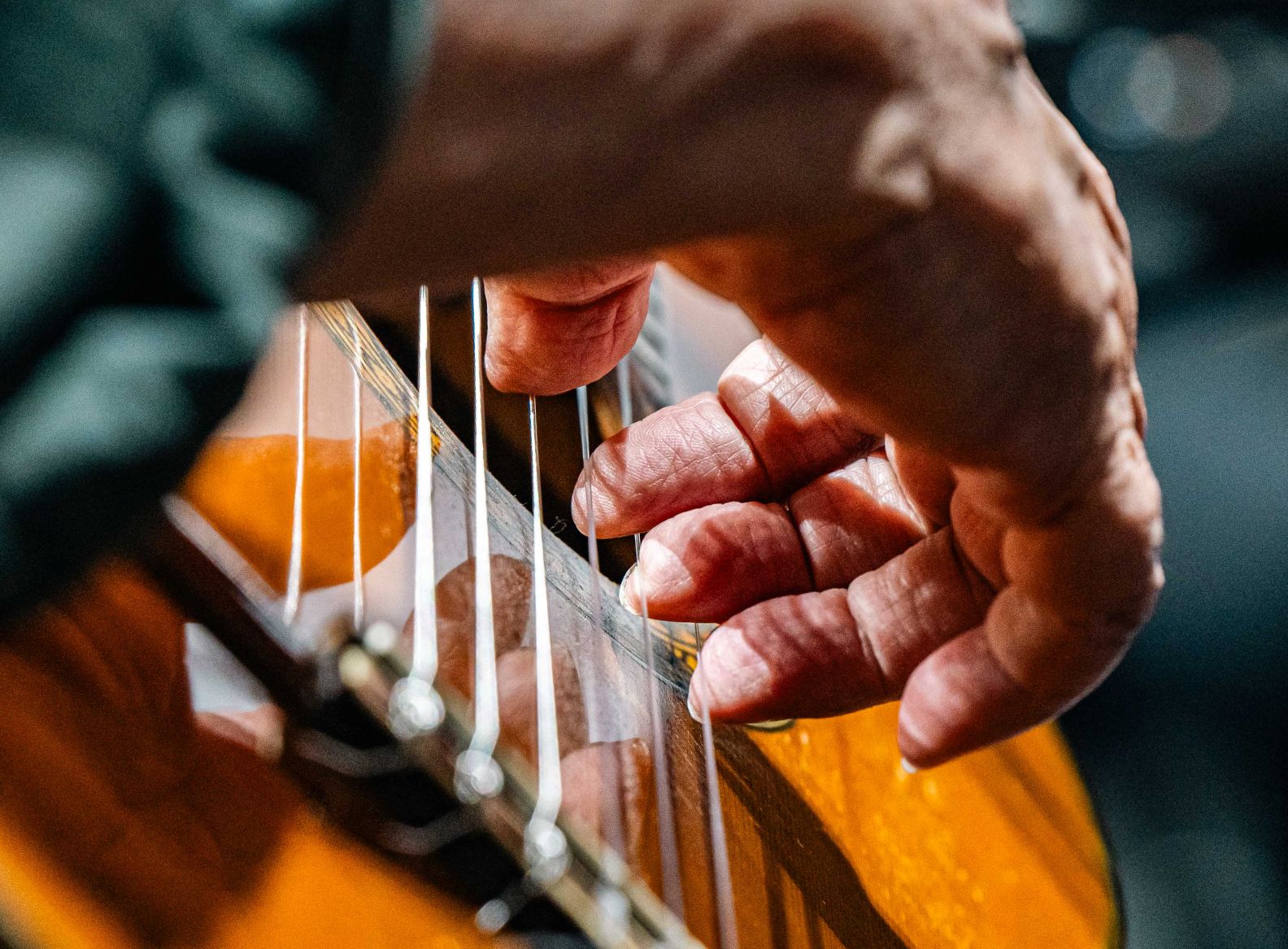
But the relationship began even before, when those who would later be founders of the Nueva Trova Cubana and the Nueva Canción del Río de la Plata met in Havana during the First Meeting of the Protest Song, in 1967.
There, Haydée Santamaría and Casa de las Américas received Zitarrosa, Viglietti, Los Olimareños, Aníbal Sampayo and many others. From that root cultural and emotional ties sprang up that are still alive today.
Each chord of Silvio in Montevideo was also an echo of that common history: that of those who believed that singing was another way to fight.
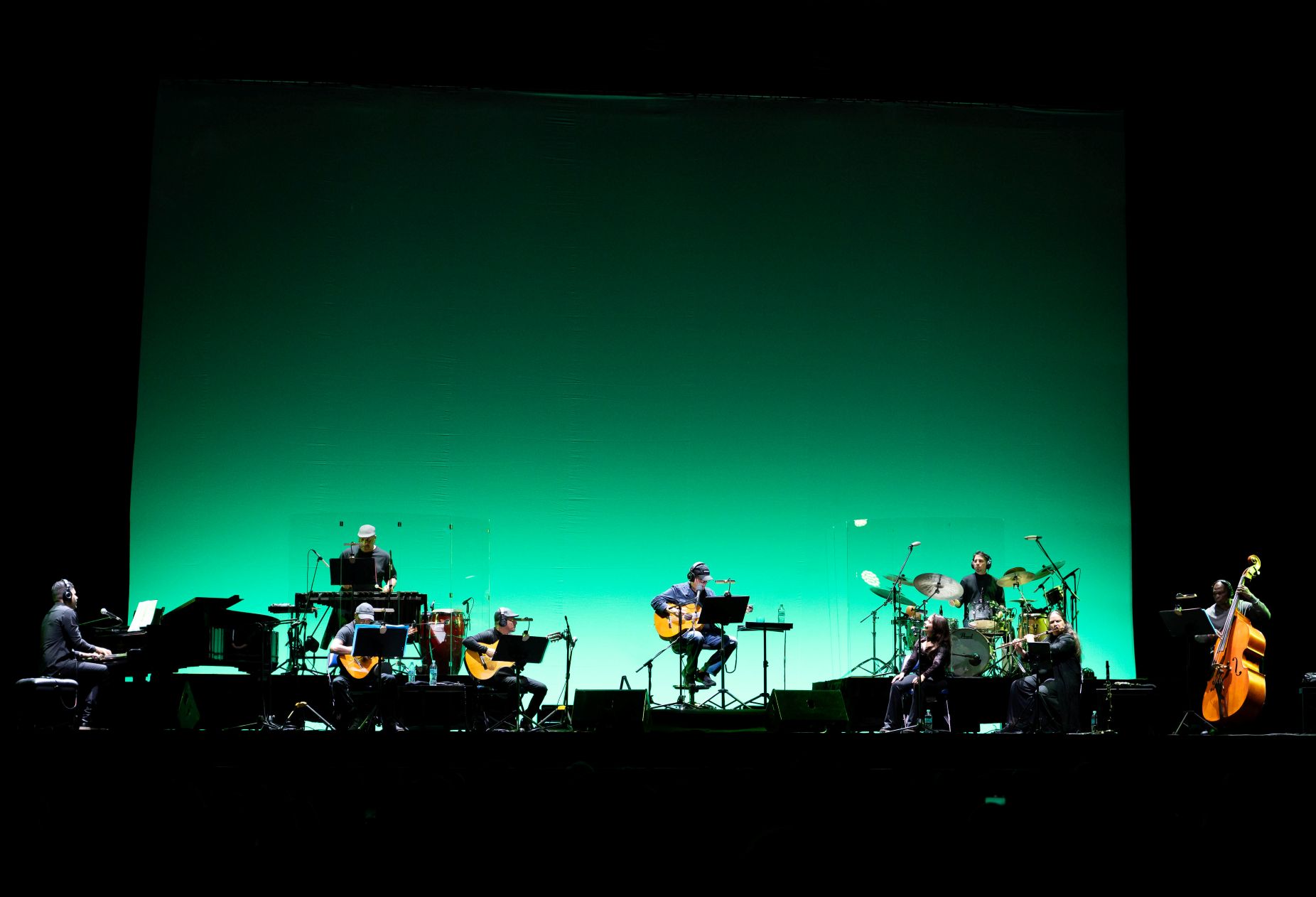
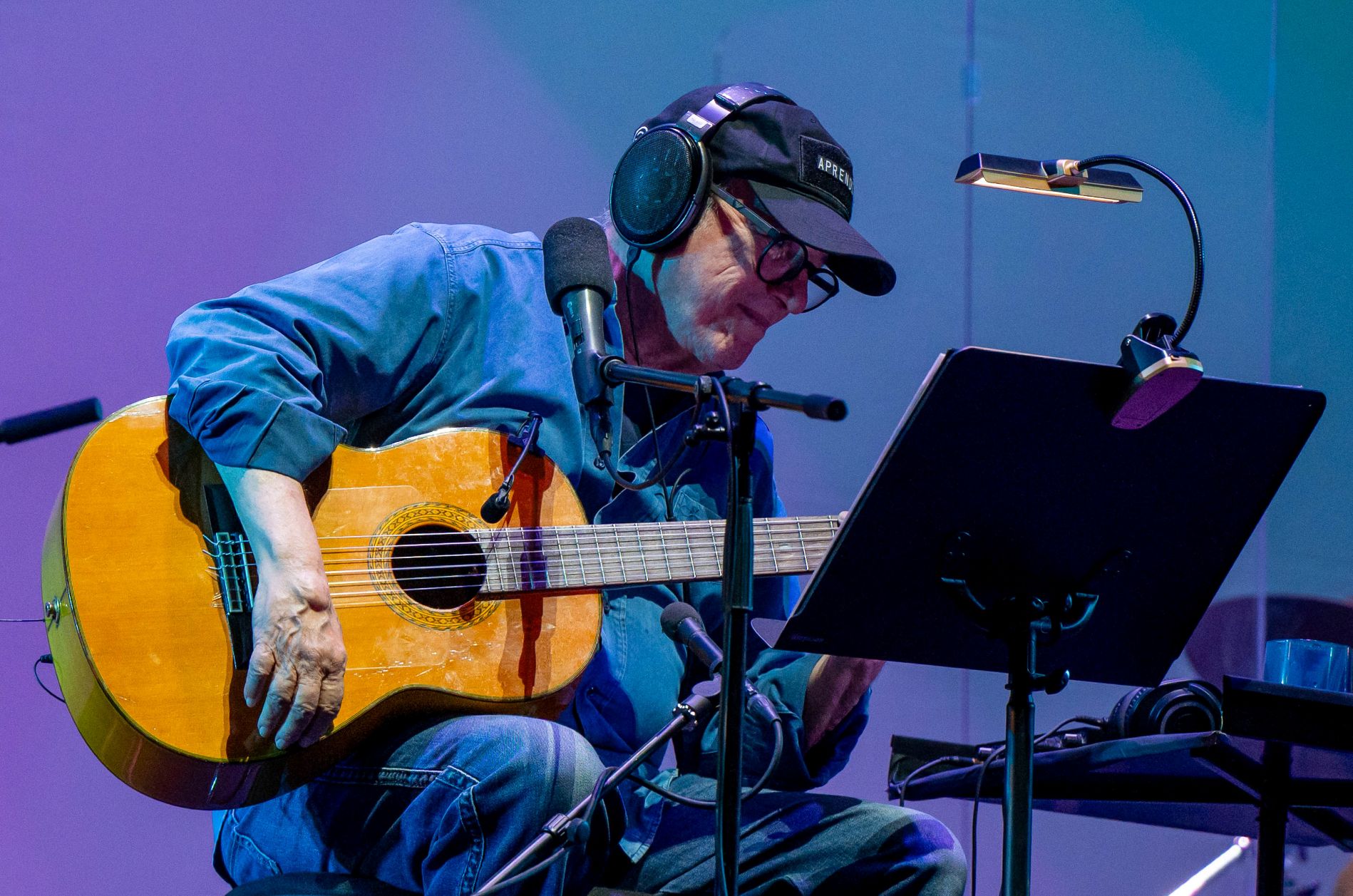
And this is how these two concerts were experienced. For more than two hours, the troubadour offered a journey that crossed eras and emotions: from present to past, from whisper to ovation. “Hummingbird Wing”, “I Dream of Snakes”, “Virgin of the West”, “Goodness and its Reverse”, “Cassiopeia” and “Tone of Will” coexisted with “Who Was”, “Angel for an End”, “The Fool” and “Hopefully”.
There was no shortage of “Créeme”, by Vicente Feliú, in duet with Malva; “I forgive you”, by Noel Nicola, with Niurka on flute; and “Yolanda”, by Pablo Milanés as the closing of a block that was pure tribute and gratitude to his generation brothers.
On the second night, Silvio slightly modified the order and surprised with an early version, on clean guitar, of “Historia de la Silla.” As soon as he hit the first chords, the micro stadium burst into applause.
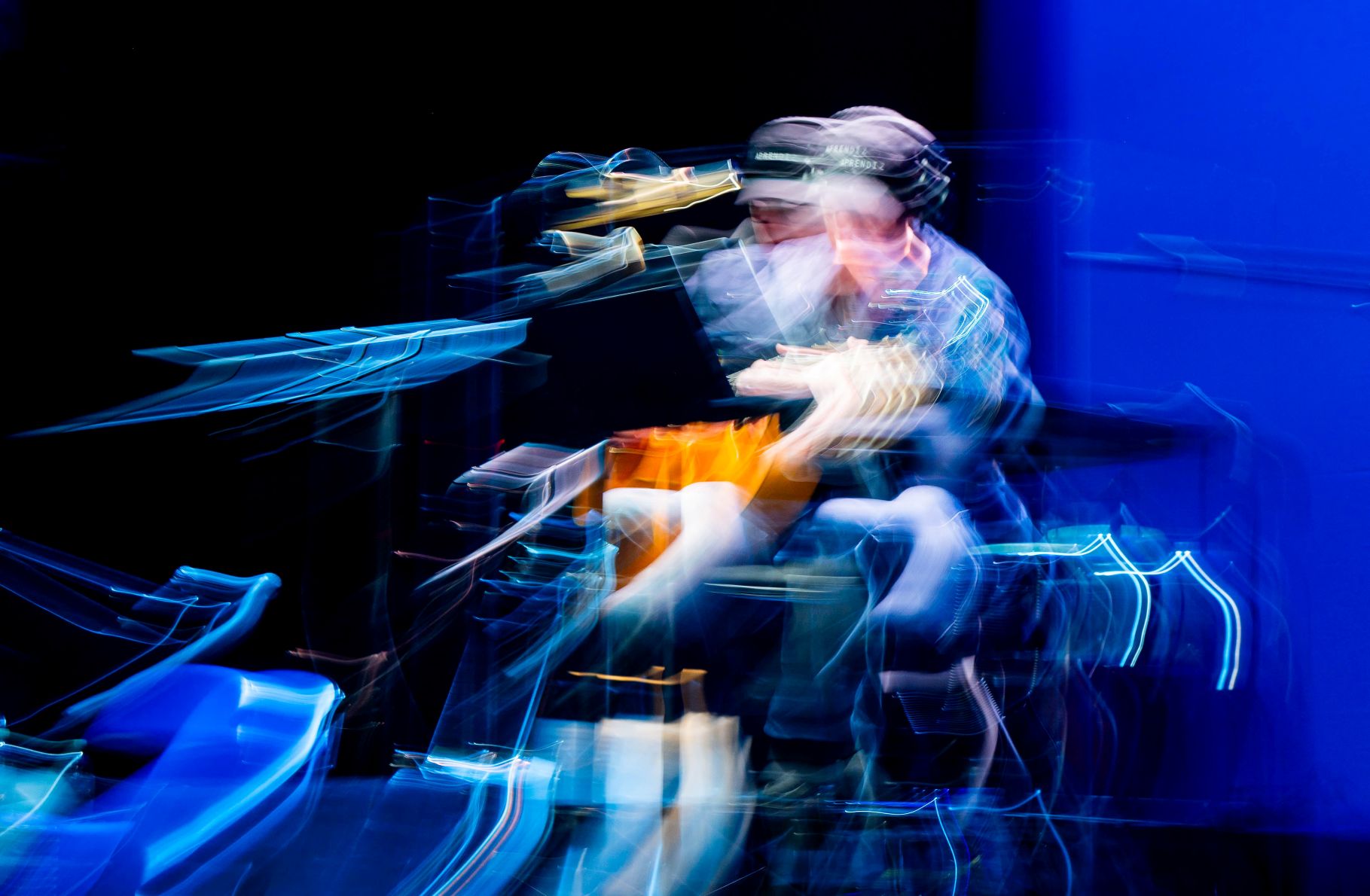
In both functions, the word had as much weight as the music. Silvio recited the poem “Halt!”, by his brother in life, the poet Luis Rogelio Nogueras.
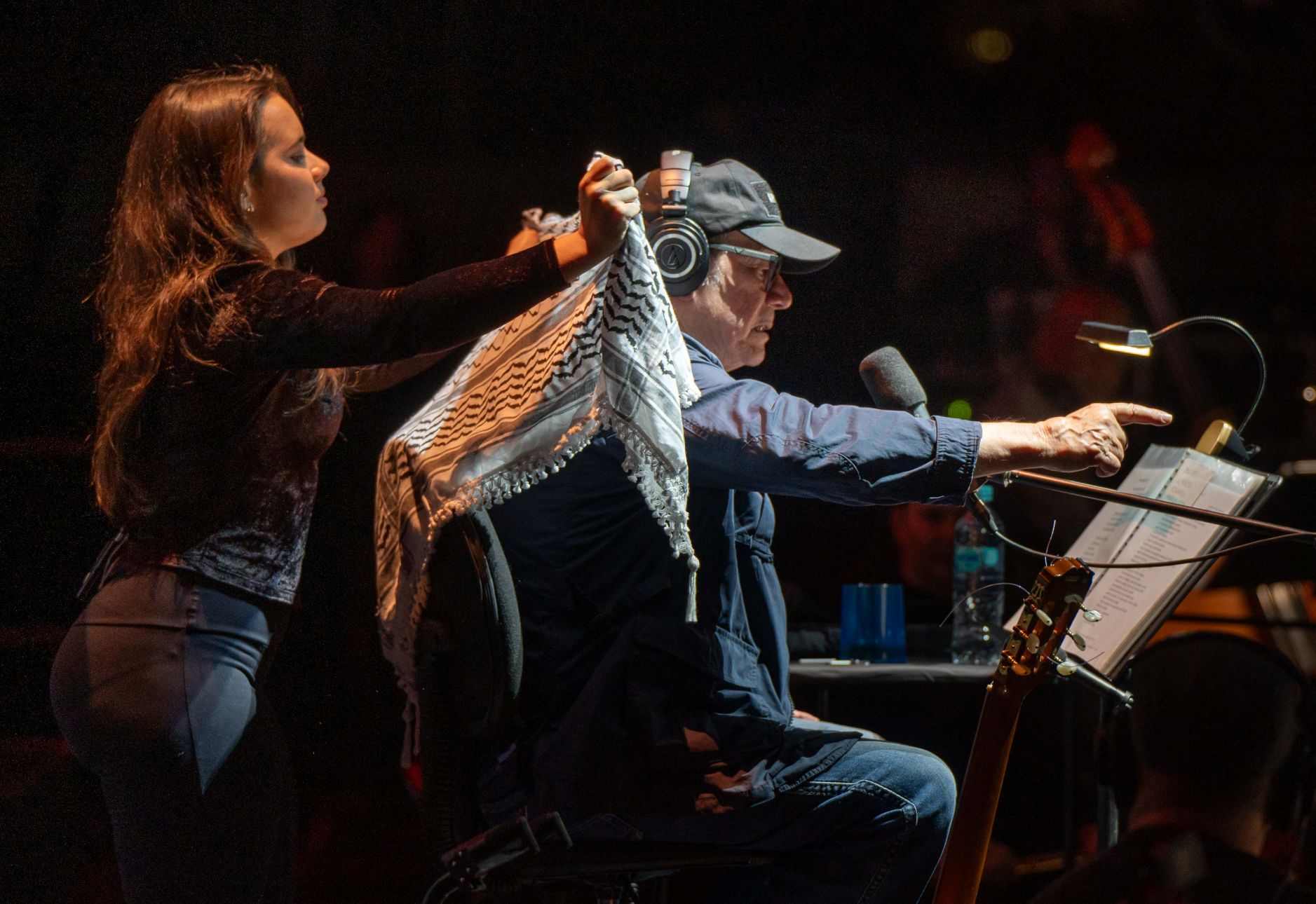
At another moment he evoked “your Pepe, our Pepe,” as he called José Mujica: “A man who, despite what he suffered—and what they did to him—did not want to blame anyone. A surprising man from a human point of view.” Before performing “Más porvenir,” he remembered that he wrote it thinking of him and Lucía Topolansky. The applause was immediate and prolonged.
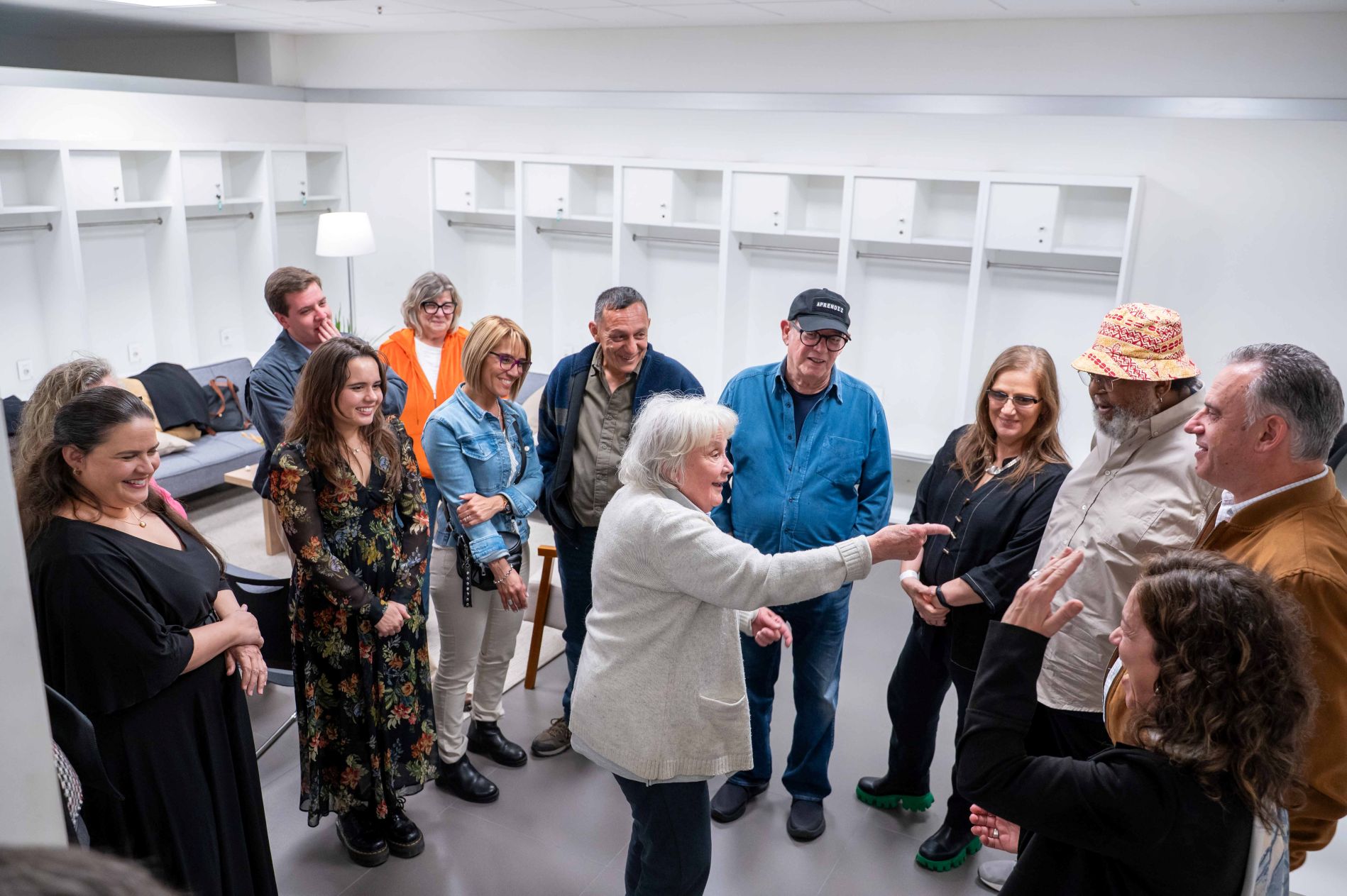
On Saturday, during the second performance, Lucía was among the audience, in the front row. She was accompanied by the Uruguayan president Yamandú Orsi and the musician Rubén Rada. His entry into the venue was received with warmth and applause.
At the closing, the three approached Silvio’s dressing room. There were hugs, laughter and even jokes: Orsi, wearing a sweater with the tour logo, told the troubadour that he planned to follow him “for the next concerts.” Lucía, excited, thanked him for the song and whispered: “Pepe would be happy.”
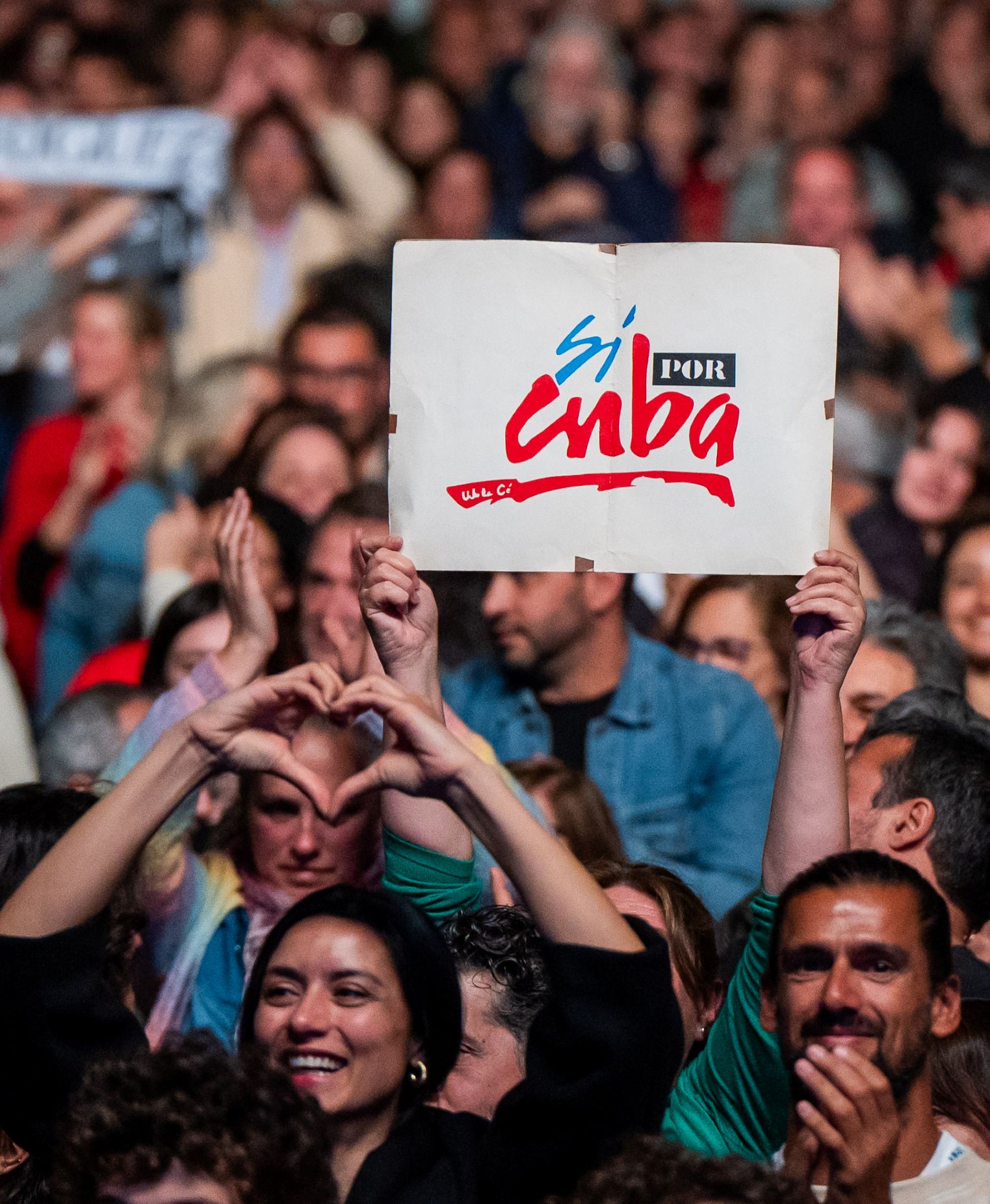
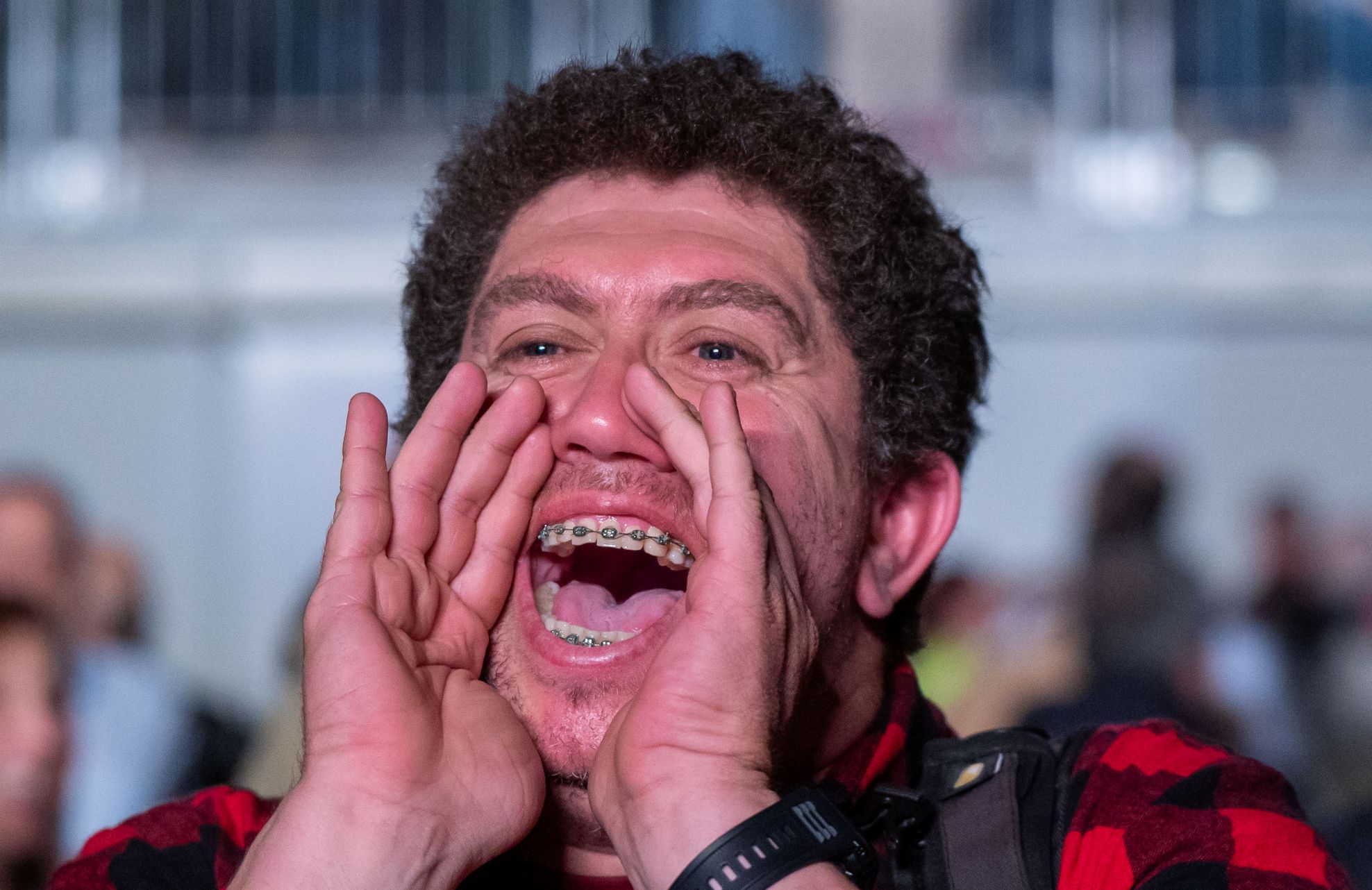
Silvio’s concerts are, in essence, human encounters. There is no artifice possible when thousands of people are silent to listen to a song, or when a lone voice rises above the murmur of the crowd to shout: “Thank you, brother!”
Sometimes, another throat gives it a humorous nuance: “Silvio, my mother loves you!” From the background, someone responds: “Mine too!” And another one. The troubadour smiles behind the microphone, complicit in that affectionate dialogue that only happens on nights where emotion overflows the limits of the stage.
The Uruguayan press agreed to highlight the communion between artist and public. One of the chroniclers summed up the experience precisely:
“The palpable emotion in some moments of the show made clear what is already known: Rodríguez is one of the great contemporary composers, with an inexhaustible fund of songs and enormous affection on the part of his audience. Thus, it is easy, despite the songs that we are waiting for, to end up winning people’s hearts.”

The atmosphere in the Antel Arena was a mirror of that statement. At times intimate, at times epic. The closing of both nights was a synthesis of their path. “The Fool” sounded with the force of a manifesto; “Hopefully”, with the sweetness of the eternal; and “Hope Come”, with the echo of all those who continue to dream.
The audience slowly left, some still humming. Outside, the city of Montevideo seemed to have been suspended in a shared emotion.
With these concerts, Silvio sealed his reunion with Uruguay. But more than a return, it was a continuity: the confirmation of a bond that does not break.
“Today I propose to found a party of dreams,” he had sung at the beginning. And, indeed, every night was that: an assembly of dreamers who still believe in the transformative power of a song.
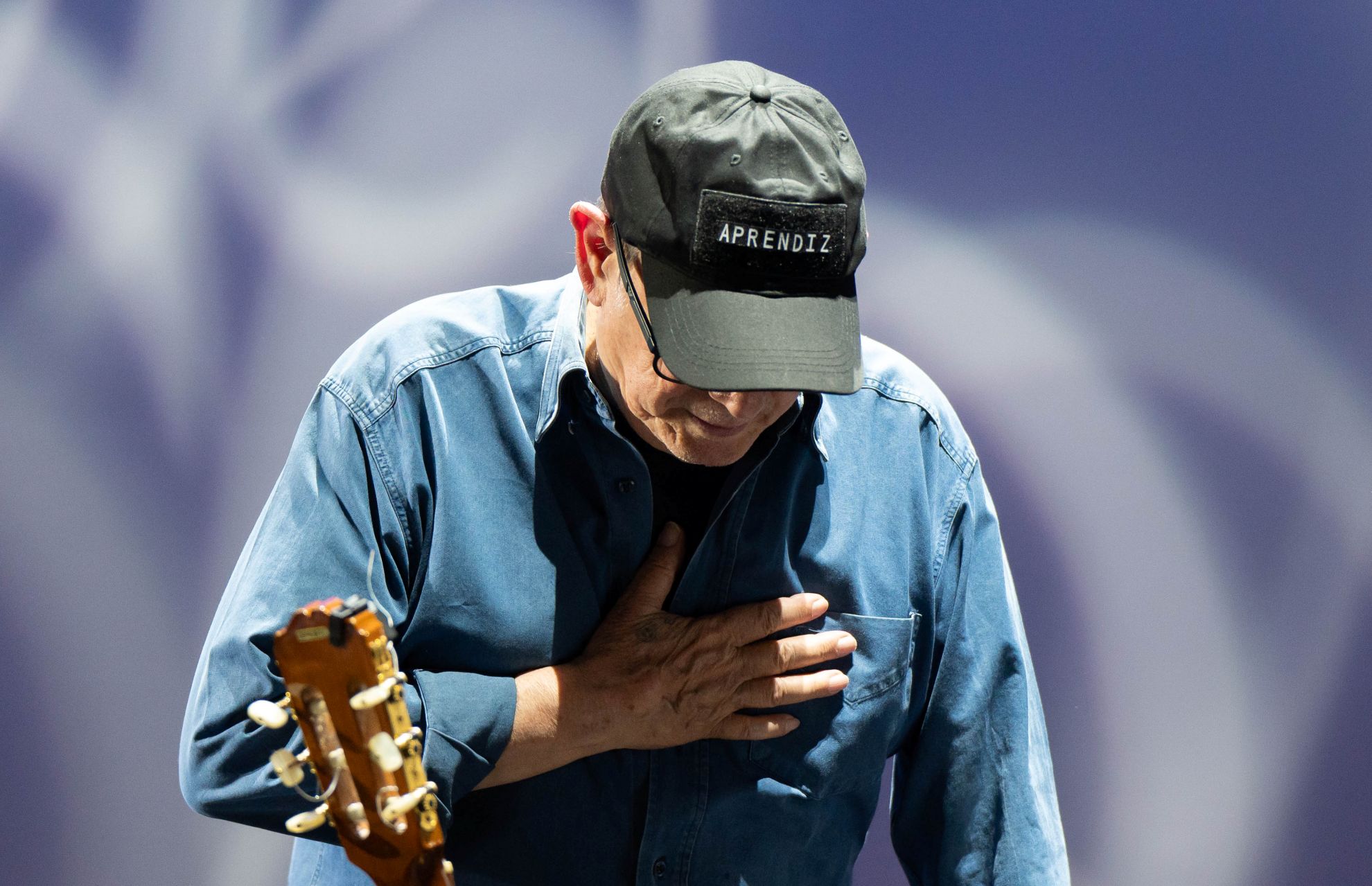
The Cuban troubadour leaves behind two unforgettable nights and returns to the route. After having performed seven concerts in different countries in the region, he now returns to Argentina, where on October 21 he will offer his third recital. Then, the tour will continue through Lima and Colombia to close a tour that has been much more than a series of concerts: an emotional journey across the map of Latin America.
Silvio Rodríguez returned to Uruguay and did so to remind us that emotion is not an accident, but a destiny.