At the end of June, the announcement of an electoral reform generated controversy. Also fear that the National Electoral Institute (INE) was intended to disappear, a proposal considered by its predecessor Andrés Manuel López Obrador, which since its administration promoted the elimination of seven autonomous organisms.
However, Sheinbaum said the Electoral Institute will continue to exist and organize “clean and democratic elections.
“The INE is going to be maintained as an autonomous body,” said the president on June 25.
During the six -year term of López Obrador, an electoral reform was tried to approve, but the official party Morena did not reach sufficient votes in Congress to modify the Constitution.
Now, Sheinbaum takes up the task, as he did with other reforms promoted at the time by the former president. With the majority in the Legislative, the president has managed to carry out frozen amendments in the previous six -year term.
The few details disseminated on the reform aim to reduce the budget of the election organization and to reduce the number of multinominal deputies.
These issues were also considered in the López Obrador initiative, which also proposed to replace the INE with the National Institute of Elections and Consultations (INEC), as well as reducing the number of electoral advisors, from 11 to seven, and choosing them by popular vote.
Through an information card, the Government reported this Saturday that the Presidential Commission for Electoral Reform will prepare a deep diagnosis of the State in which the electoral and parties model is located.
“As a second task, it will make a legislative reform that is consistent with the current times in Mexico,” he said.
It will also analyze the figures of popular representation and citizen participation mechanisms. He must work in coordination with the Legislative Power, Academy, Specialists, Organizations and Citizens.
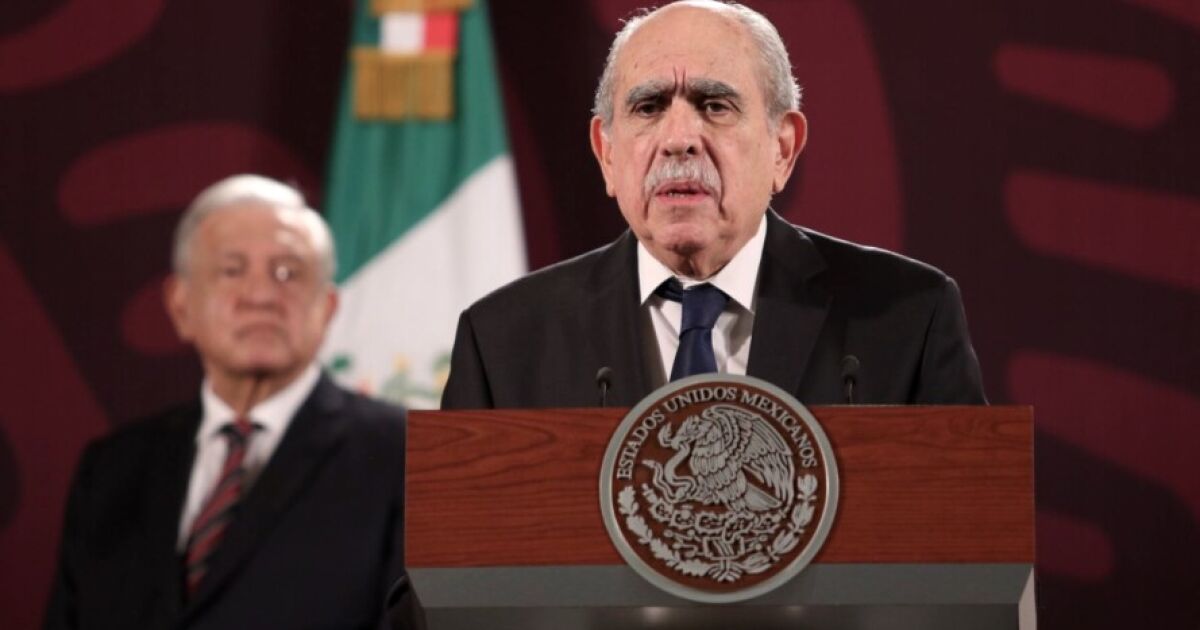
Pablo Gómez Álvarez was chosen to be in charge of this presidential commission because he has been the author of other political-electoral reforms.
Until now, the authorities have not informed who will be in charge of the FIU, the unit of the Ministry of Finance that Gómez Álvarez directed.