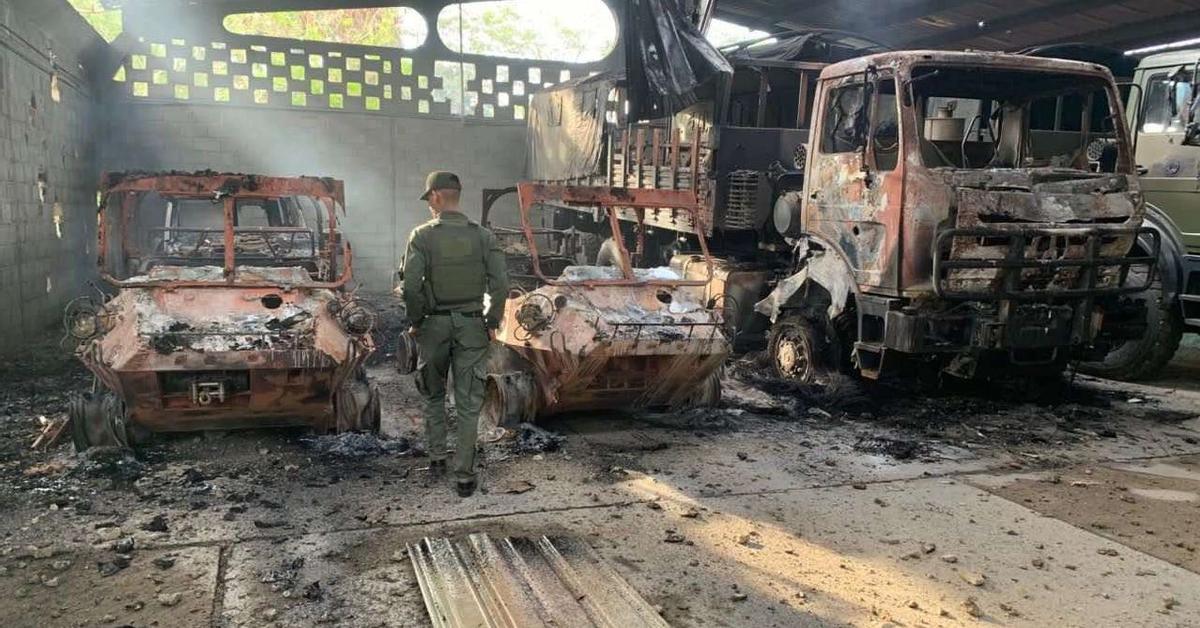
Havana/The statements this Wednesday by the Venezuelan Minister of the Interior, Diosdado Cabello, about the deaths in Caracas have increased doubts about the figures recognized by the Cuban regime. officially 32. During your program With the gavel givingCabello spoke, for the first time since the United States attack last Saturday, of “around 100 people dead and a similar number of wounded.” Although he did not break down the nationality of the victims, his words revived suspicions of a possible under-reporting of Cuban casualties.
Since last Monday, senior US officials have questioned the figures released by Havana. That day, Stephen Miller, White House deputy chief of staff, stated in a interview with CNN that the number of dead Cubans publicly reported by the regime is probably lower than the real number. According to the official, the assault on Caracas was a “furious gun battle” in which the Cubans “suffered massive casualties.”
The New York Times, For its part, it initially reported that the operation left at least 40 dead, according to Venezuelan sources. In a later update, the newspaper raised the figure to around 80 deaths, reflecting the uncertainty and corrections in the first balances.
Names and details of possible Cuban casualties during the operation to capture Nicolás Maduro were also beginning to appear on social networks and the independent press. By then, the speech of the Cuban Foreign Ministry – which for years categorically denied the presence of Cuban troops in Venezuela – was already unsustainable given the abundance of testimonies and evidence about their participation in the security and intelligence structures of Chavismo.
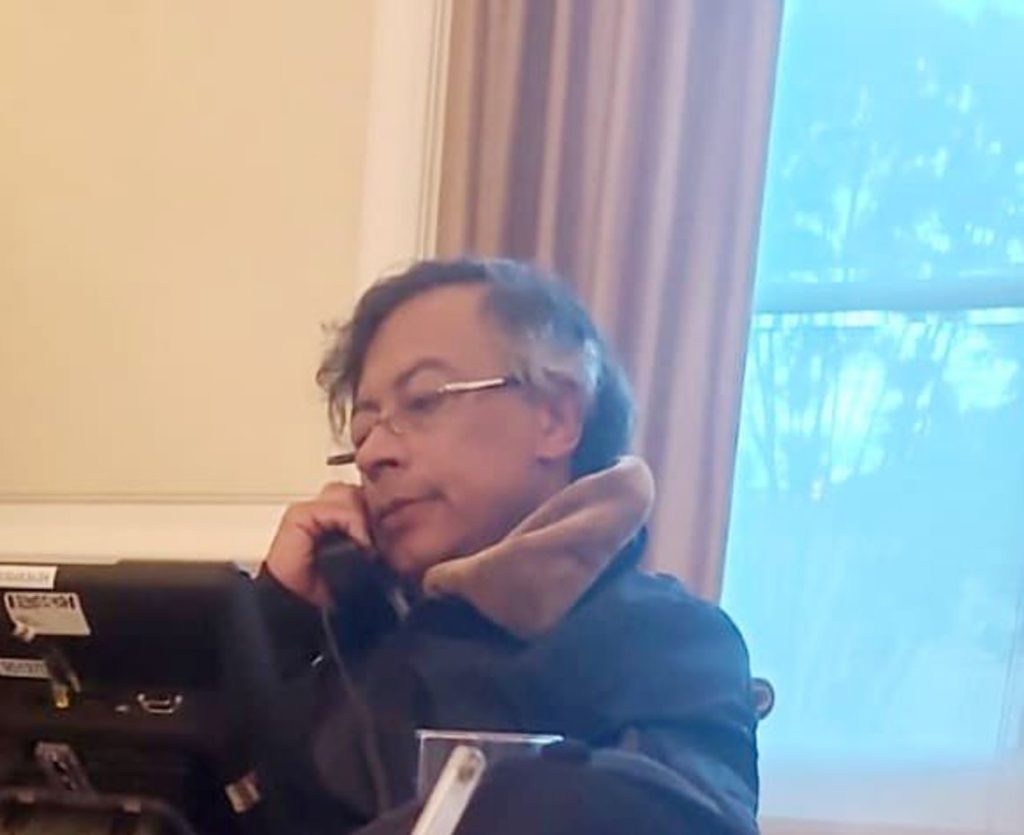
On January 4, Colombian President Gustavo Petro wrote in the social network about the dead in Venezuela and mentioned “85 Cuban citizens who carried out the security mission” for Maduro. Finally, on Tuesday, the regime was forced to report 32 Cuban deaths, most of whom were senior intelligence officials.
Colombian President Gustavo Petro wrote on the social network X about the deaths in Venezuela and mentioned “85 Cuban citizens”
However, based on the discrepancies, analysts and experts question the figure released by Cuba, pointing out that it could represent only a part of the total Cuban casualties. Some suggest that the official number would fundamentally include higher-ranking officials – officials from the Ministry of the Interior and the intelligence services – while other possible deaths, corresponding to younger personnel or support troops deployed in security rings, would not have been publicly acknowledged.
The retired general of the Venezuelan National Guard Marco Ferreira He estimates that the number of Cuban casualties is much higher, “close to 80.” The former officer, who was also a pilot in Caracas, does not rule out that the US military has captured “a few Cubans alive,” as well as seized computers, mobile phones and other electronic devices with sensitive information. Ferreira also suggests that some soldiers from the Island had just arrived in Caracas on December 23. So far, neither Washington nor Havana have confirmed the capture of Cuban soldiers.
The doctor Jose Garciaan expert in intelligence and military issues, compares the presence of Cubans in Venezuela to a “lymphatic system.” The analyst does not believe that they were grouped in a single point, but rather organized as “nodes”, distributed in different key positions of the security apparatus.
This asymmetry has fueled new questions about what really happened during the most intense hours of the operation: how many foreigners – and in particular how many Cubans – died in the confrontation and why does the Venezuelan regime avoid offering a clear breakdown of casualties? While Havana was forced to admit what it denied for years, Caracas continues to handle figures with ambiguity, in a context marked by the collapse of the official story and the absence of independent information from the field.
The journalist Mario J. Pentón has contacted relatives of officers and soldiers Cubans fallen in Caracas. One of them, the alleged soldier Luis Alberto Hidalgo Casals, would not have traveled to Venezuela for ideological motivations, but to help his family financially. According to this testimony, it was a civilian driver, and the photo published by the regime was edited to show him in an olive green uniform.
In contrast, Colonel Humberto Alfonso Roca Sánchezone of the highest-ranking officers among those who died, has two daughters residing in the United States, something that just a few years ago would have been unthinkable for a soldier with his rank and position. One of them had even requested asylum, according to Pentón sources. The colonel had a long history in personal security, which included Fidel Castro’s residence at Punto Cero, as well as visits to Cuba by Pope Francis and former Secretary of State John Kerry.
The relatives of Captain Adriel Adrián Socarrás Tamayo, identified among the 32 Cuban soldiers killed in Venezuela, received notification that “it will not be possible to repatriate or deliver his remains to the Island” due to the “war situation” and the operational limitations at the Caracas airports. His relatives denounce the lack of clear information from the authorities about the exact circumstances of his death.
The island’s forces were neutralized easily, forcefully and quickly, which has caused demoralization in the high command.
Socarrás, a native of Yara and with two years of deployment in Venezuela, was officially reported killed “shot by shot” in combat within Nicolás Maduro’s security cordon. However, until that moment his closest environment did not have precise details about the mission he was carrying out in the South American country.
The Cuban regime has not wanted to refer to the survivors either. The independent press has mentioned Euclides Bandera, lieutenant colonel of the Cuban Military Counterintelligence, as one of the officers stationed in Venezuela who survived the US operation. According to close sources cited by Inverted TreeBandera continues to be integrated into Chavismo’s security apparatus, where he has been providing services for more than a year and receives a monthly salary of $6,000. The officer himself reportedly told his family that he was saved because “he was not where he should be” at the time of the attack, a phrase that has fueled speculation about failures, absences or imbalances within the Cuban-Venezuelan security device.
The revelations following the publication of the official list of dead have raised serious doubts about the veracity and scope of the version offered by the Cuban regime. Other families have reported similar irregularities: extended missions without relief, lack of information and the propaganda use of the deceased, which points to an opaque and politicized management of casualties.
The official narrative has tried to exalt the “heroism” of troops who offered “ferocious resistance.” However, the facts known so far point in another direction. The island’s forces were neutralized easily, forcefully and quickly, which has caused demoralization in the high command and has eroded the myth of the supposed Cuban effectiveness in matters of intelligence and personal security.