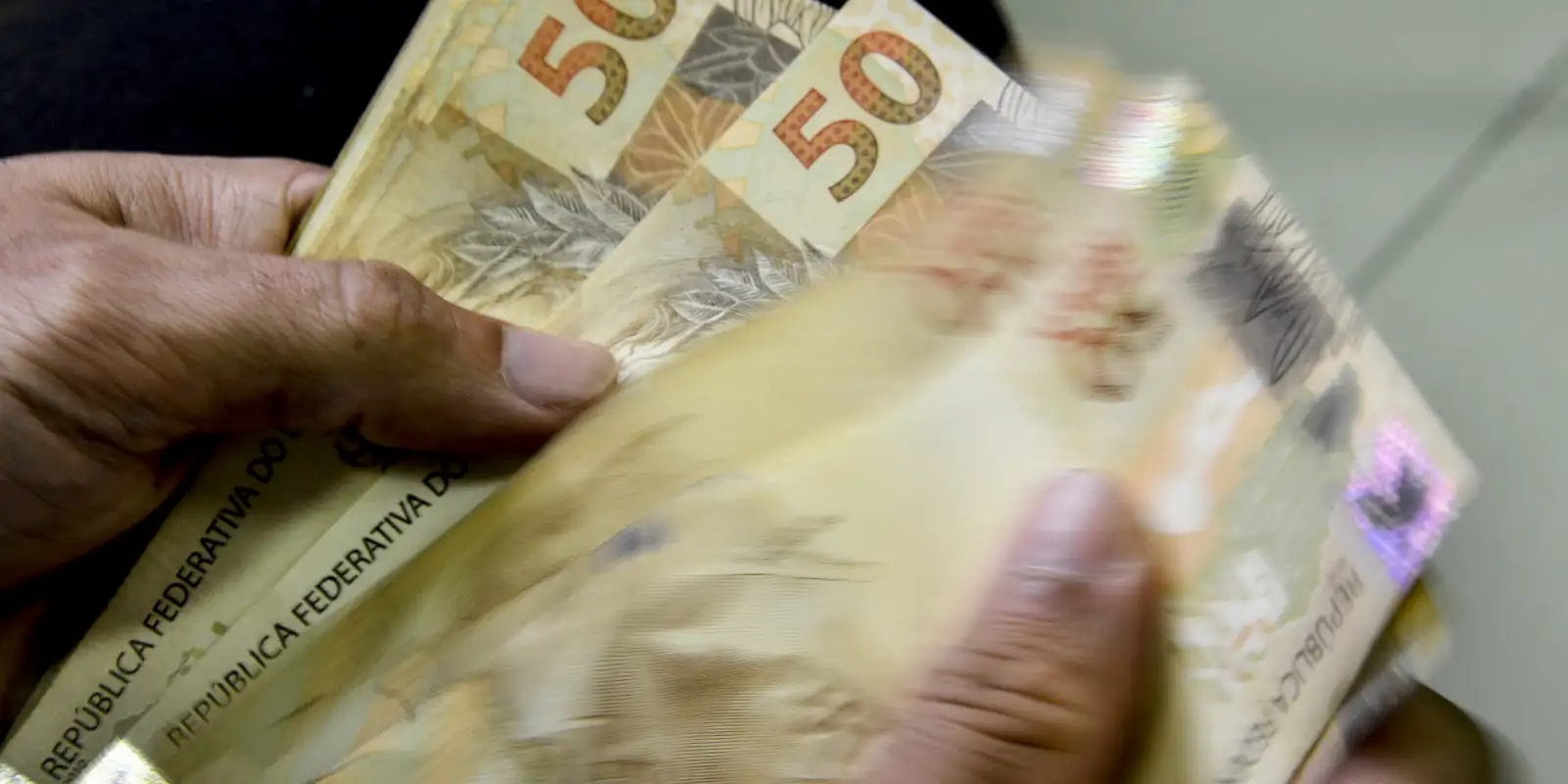
Workers from various sectors presented, this Thursday (16), in a public hearing at the Senate Economic Affairs Committee, their views on the effects that the approval of the bill that exempts those earning up to R$5,000 per month from Income Tax (IR).
Approved by the Chamber of Deputies, the projectfrom federal government, compensates for the loss of revenue and establishes a minimum tax level to be paid by those who have taxable income above R$600 thousand per year.
In the project’s current format, a 10% income tax rate is foreseen with the potential to reach around 141.4 thousand high-income individual taxpayers. Currently, this group collects, on average, a tax rate of 2.5% on their total income.
The text also applies a gradual reduction for income above R$5,000 per month up to the amount of R$7,350. For those who receive more than R$7,350 per month, nothing changes.
>> Follow the channel Brazil Agency on WhatsApp
Social justice
Businessman Tiago Bitencourt Neves argued that updating the income tax table is a matter of social justice. For him, tax progressivity is more than an economic proposal, “it is a country proposal”.
“Brazil needs a system that taxes luxury, not rice and beans. That covers those who live off speculation, like banks. That taxes bets, the super-rich and billionaires,” he added.
For Tiago Neves, the project is a chance to correct a historical inequality in the country.
“This is not just a technical discussion, but a political choice about who pays the bill and who benefits from the country that we build every day, with our daily struggle”, he argued.
Historical correction
Service sector worker Jadiel de Araujo Santos highlighted that parliamentarians have the opportunity to make a “historical correction of a table that has been out of date for years, causing millions of Brazilians, those who work the most, to pay more than they should”.
“This will return dignity and purchasing power to families, with money that will circulate in the economy. Anyone who earns up to R$5,000 is not privileged, they are the ones who make the country stand. It is recognizing the efforts of those who move the country”, he added.
Impacts
Financial sector worker Juliano Rodrigues Braga presented himself as one of almost 45 thousand bank employees who will benefit from the IR exemption.
“You may not be aware, but this amount has a direct impact on my pocket, of around R$2,500 per year,” he said.
“And perhaps they think this is not enough, given the huge income disparity in wages in this country. But make no mistake. This amount represents the amount necessary to pay several ordinary expenses, so that we can survive in dignity in this country. And it will be money returned to the market, boosting the economy”, he argued.
Jadiel Santos sees, in the proposal, a possibility of tax justice, in which everyone can contribute to the financing of public policies, to the extent of each person’s ability to contribute.
“And contributory capacity, in this country, is to say that whoever earns less must pay less; and whoever earns more must pay more. It’s worth an observation. Those who earn more in this country, as a rule, are those people who, almost unequivocally, earn through the sweat and human sacrifice of others, such as banks that make their workers sick with abusive goals; bets that take money from the father and mother of the family; and Faria Lima investors.”
Purchasing power
Gas station manager Silvia Letícia Alves Mattar, who revealed that she receives, on average, a salary of R$3,800, said that in her case the exemption will bring a return of approximately R$200 per month.
“It’s practically a 14th salary in your pocket. This measure will increase the purchasing power of those who earn less and help drive commerce,” he said.
Food sector worker, Zacarias Assunção said it was “very unfair for those who earn little to pay more and those who earn more to pay less”. This, according to him, “is an unfair and unequal fight because whoever takes Brazil on their shoulders ends up paying more taxes”.
According to metalworker Claudionor Vieira do Nascimento, 68% of workers in his category in the ABC region will stop paying or have reduced income tax payments.
Addressing parliamentarians, the worker said he was disappointed to see many who should act in favor of workers associate this project with an increase in taxes, for making fair compensation by charging more to those who earn much more.
He also cited, as an example of lack of commitment to the working class, the actions of parliamentarians to exempt large economic groups.
“Why are the more than R$800 billion in exemptions for companies in this country not commented on and do not bother the majority of Brazilian parliamentarians?”, he asked.
“The Brazilian class is keeping an eye on these votes, because this is not about increasing taxes. It is about doing a little social justice and giving a little dignity to those who build our country’s wealth”, he defended.
Gas station attendant Willian Ferreira Da Silva went further and defended, also as social justice, the reduction of the working day, which is currently 6 days worked and 1 day off.
“This will also improve the quality of life of the workers who support any system. Especially because capital does not generate income on its own. Companies always have, behind them, at the forefront, the worker”, he said.
“Workers never won rights without fighting. For us, only the fight makes the law”, he added.
Chemical sector worker, José Evandro Alves da Silva defended that society should mobilize again, as it did in the demonstrations against amnesty, to achieve these achievements.
“We have to take to the streets again, as we did recently,” he said.