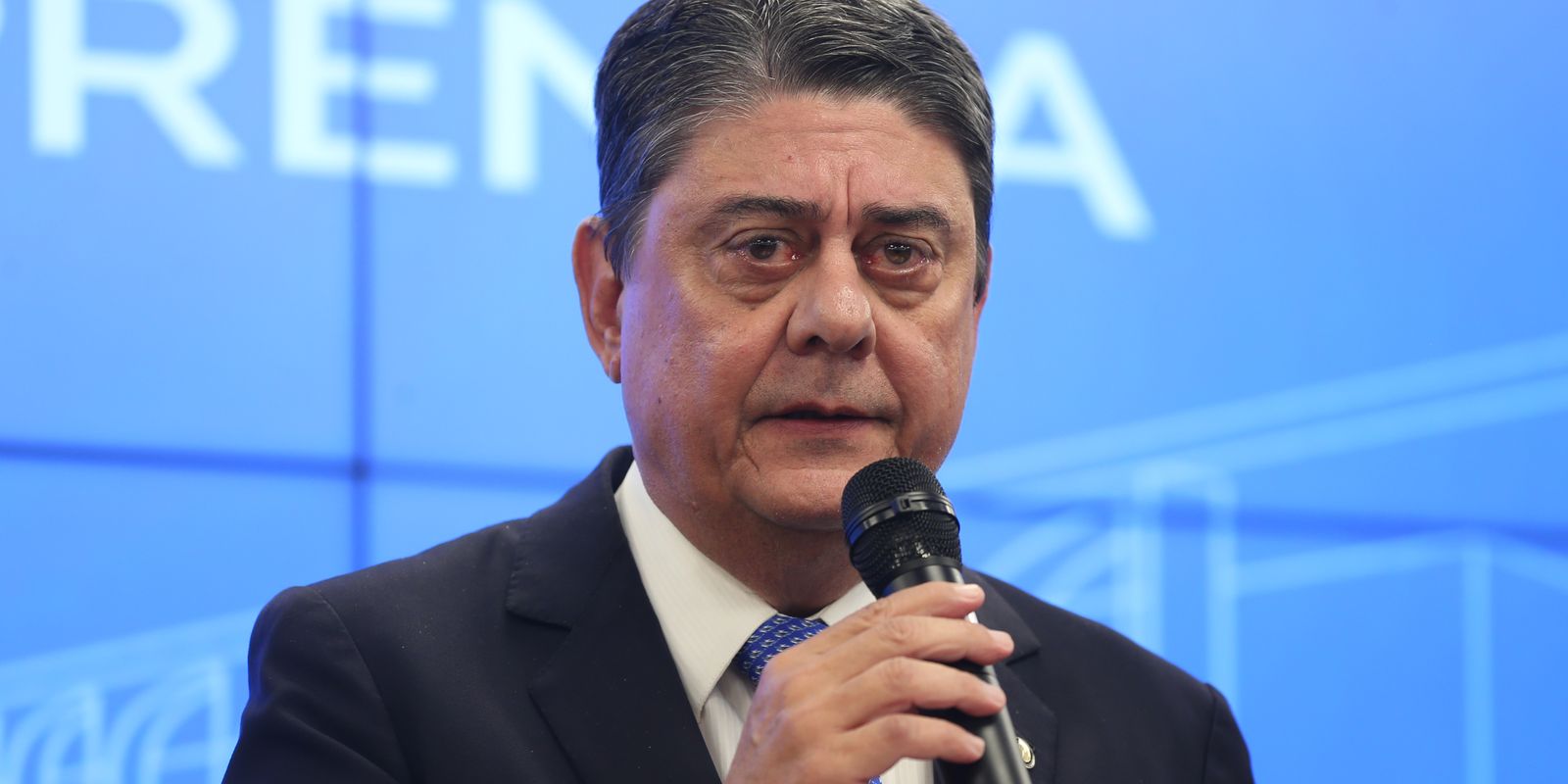
The Senate Social Affairs Commission approved, on Wednesday (13), the nomination of Wadih Damous for the presidency of the National Agency for Supplementary Health (ANS). Now, the nomination goes to the final decision in the house plenary. 
ANS is the regulatory agency responsible for standardizing and overseeing health plans. It is linked to the Ministry of Health, with four directors and a CEO, with mandates of 5 years.
Wadih Damous holds the National Consumer Secretariat. If it is approved in the Senate, the ANS presidency after Paulo Rebello’s mandate, who was in charge of the regulatory agency until December 2024. Since February, the position is interimly held by the server Carla de Figueiredo Soares.
Health plans
This Wednesday, Damous was sabbathed by the commission. One of the subjects covered was the over -indebtedness of the population due to a co -participation health plan, which in addition to the monthly fee, the person paid for the procedures he performs.
For Damous, who reported that currently 60% of health insurance contracts have co -participation, ANS can, for example, regulate and establish a price limitation, up to 30% of the value of the procedure. He also argued that continuous procedures, such as monthly or annual treatments, would be out of co -participation.
Damous evaluates that there is no reason to charge co -participation in cases, for example, chemotherapy or hemodialysis.
Regarding the integration of exams and data from the Unified Health System (SUS) and private plans, Damous said that the measure would allow examinations performed in one system to be valid in the other, avoiding duplicity and waste. For him, integration is necessary and historically claimed by the sector.
Damous was also asked how ANS can act in regulating a new model adopted by health plans, where service providers such as hospitals and doctors receive a fixed value per patient, regardless of the amount of services he used.
According to him, although the issue is sensitive, there is no legal attribution for the ANS to intervene in the subject. Damous said, however, that the agency must be attentive and may participate in the regulation, as these forms of remuneration are made by concluding contracts between operators and service providers.
Damous is a lawyer and master in constitutional law. He was president of the Rio de Janeiro Section of the Brazilian Bar Association (OAB) between 2007 and 2012; Chairman of the Truth Commission of Rio de Janeiro (2013-2015) and Chairman of the National Human Rights Commission of the Federal Council of OAB (2014-2015).
* With information from the Senate Agency