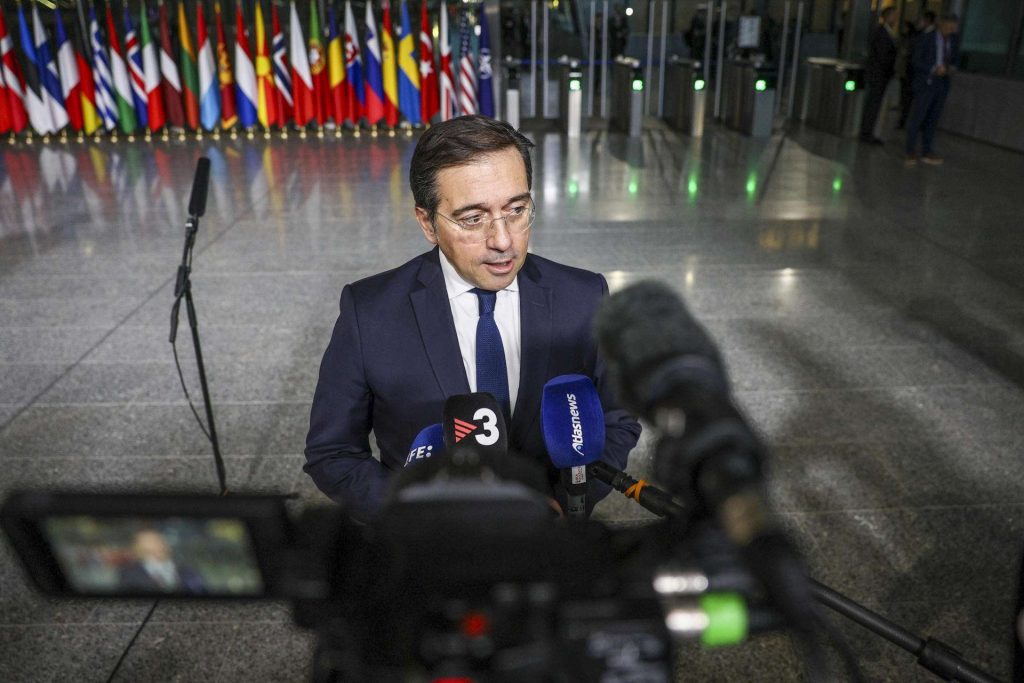
The Constitution and Justice Committee (CCJ) of the Senate postponed, this Wednesday (3), the vote on the replacement of the Anti-Faction bill (PL) presented by the rapporteur, senator Alessandro Vieira (MDB-SE).
A review request transferred the analysis to next week, December 10th. If approved in the Senate, the issue returns to the Chamber of Deputies because there were changes to the text.
Contrary to the discussion in the Chamber, the opposition and government converged in praise for the text of Alessandro Vieira’s PL Antifaction which, among other changes, provides for the Cide-bets tax to finance the fight against organized crime with R$30 billion per year.
For the rapporteur, the discussion around the topic cannot be “lowered to petty political disputes, which only benefit criminals”.
“Nor can it give in to the harassment of the fraction of organized crime that is infiltrated within the Brazilian elites and insists on limiting the action of the security forces to peripheral, poor and black targets. The fight against criminal organizations must reach the top floor to have a real effect”, highlighted Vieira.
The request for review was requested by senator Marco Rogério (PL-RO) who argued that the topic is complex and requires time for analysis.
“It is a topic that must be committed to all of us, not only in reading, but in approving a text that really represents the progress that we intend to build for the country”, he said.
“Ultraviolent” organizations
Senator Alessandro Vieira’s replacement rejected the creation of an autonomous law called “ultraviolent criminal organizations” provided for in the text that came from the Chamber.
THE innovation was criticized from the federal government and experts who predicted that this new classification could make it difficult to classify factions as it contained generic concepts.
According to the new opinion, the specific crime of a criminal faction is provided for in the Criminal Organizations Law, classifying the faction or militia as a group that acts with territorial control through violence, coercion and threats.
“We reformulated the provision favoring factional crimes, taking advantage of the Chamber’s wording, but restricting the types in order to eliminate interpretative controversies”, explained the rapporteur in the Senate.
Up to 120 years in prison
The penalty for a faction member, as set out in Alessandro Vieira’s report, ranges from 15 to 30 years in prison. In the Chamber’s text, sentences could reach 40 years.
According to the rapporteur, the change does not harm harsher sentences, as when adding several criminal types it can reach up to 120 years in prison with up to 85% of sentences served in a closed regime in the case of leaders.
“What we do in the substitute is to give a notion of proportionality. We increase the sentence for the common criminal organization, we create this qualified criminal organization, which is the criminal faction or militia”, he explained.
Check out the information from Repórter Brasil Tarde, from TV Brasil
Debate
The PT leader in the Senate, Rogério Carvalho (PT-SE), assessed that Vieira’s opinion brought a great advance, in relation to the Chamber’s text, by “reducing or ending the confusion of criminal types that created insecurity for the judge”.
For Carvalho, the new criminal type created in the Chamber would benefit criminals by opening up opportunities for questioning in the Judiciary.
“[O texto da Câmara] It opens up space for many questions from the point of view of defense, delay, procrastination of the procedural course and increases the possibility of error by the judge”, he commented.
Senator Angelo Coronel (PSD-BA) said that, despite not being a “bet supporter”, he believes that there is high taxation on these companies.
“Bet is paying based on the value of the player, not based on the profit. Based on the profit, you have to be taxed, you have to be really taxed. But as it is, it’s not based on revenue”, he commented.
In response, rapporteur Alessandro Vieira said that the planned tax, Cide-bet, will be charged on top of the bettor’s value, maintaining the profitability of these companies.
“The person who is subject to this taxation is the individual who makes the bet, as happens when we fill up the car. By filling up the car, you pay a Cide. By placing bets, you will pay a Cide”, he said.