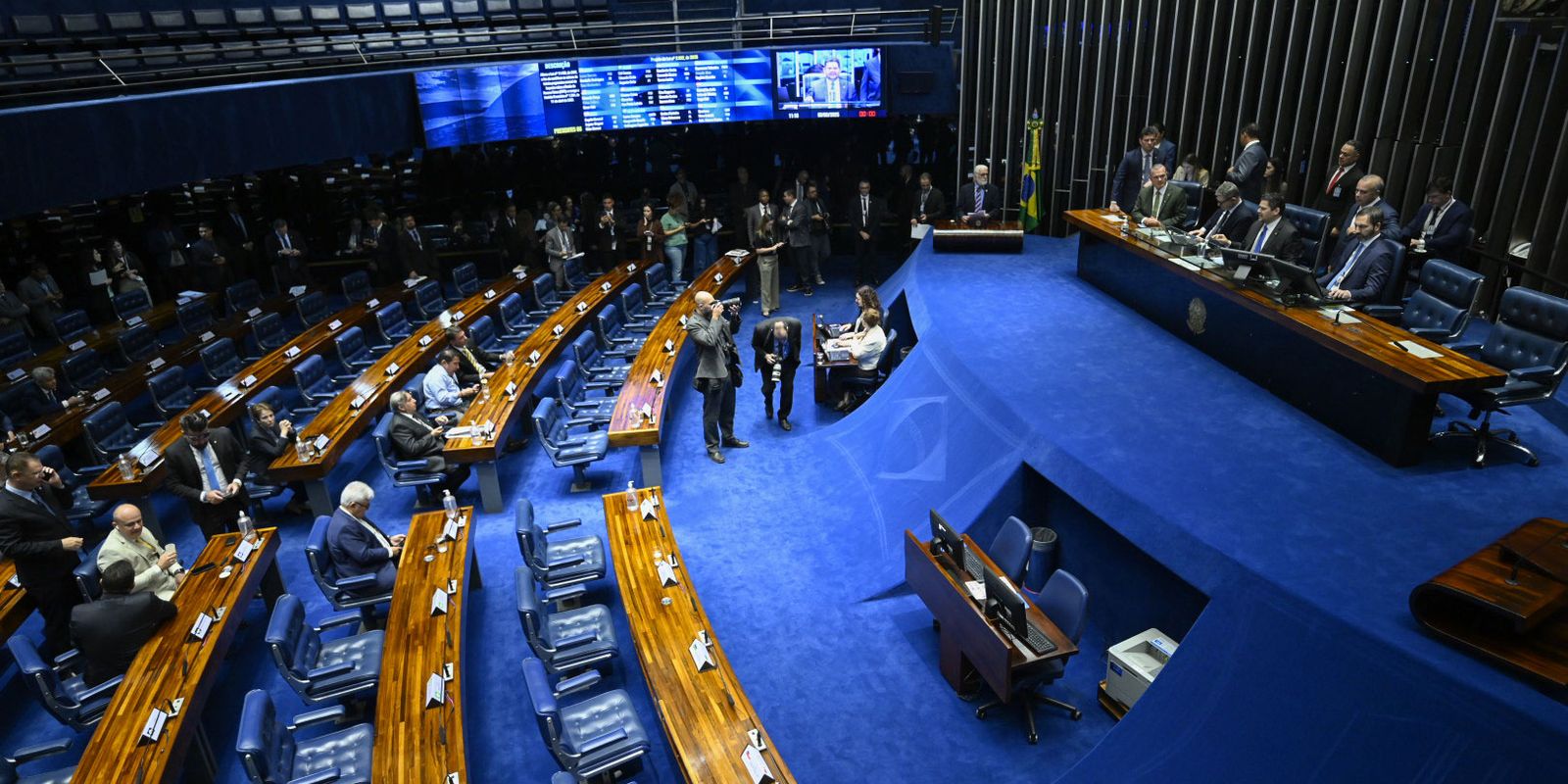
The Senate approved this Tuesday (21) a bill (PL) 4540/2023 that encourages the diagnosis of autism spectrum disorder (ASD) among adults and the elderly. The project includes this incentive among the guidelines of the National Policy for the Protection of the Rights of People with Autism Spectrum Disorder. The project now goes to President Luiz Inácio Lula da Silva for approval.
The proposal’s rapporteur, senator Mecias de Jesus (Republicanos–RR), argued that encouraging diagnosis serves an increasingly larger population of people who reach adulthood or old age without having received a formal diagnosis.
According to data from the Brazilian Institute of Geography and Statistics (IBGE), in May 2025, 2.4 million Brazilians (aged 2 years or over) declared having been diagnosed with ASD by a health professional, which represents 1.2% of the population in this age group.
According to the senator, this percentage does not correspond to reality, given the underdiagnosis in the adult population. Mecias de Jesus also noted that, in the past, the lack of information led many autistic people to be confused with having other disorders, such as anxiety, depression or schizophrenia.
“For many adults, receiving a diagnosis of autism at later stages of life represents both a relief and a challenge. The relief lies in the fact that they better understand their characteristics, behaviors and difficulties that were previously seen as ‘personal failures’. On the other hand, a late diagnosis can bring up feelings of frustration at not having received adequate and timely support throughout their lives”, he highlighted.
Functions in the STF
This Tuesday, the senators also approved, by 36 votes in favor and 18 against, the creation of 160 commissioned positions in the staff of the Federal Supreme Court (STF). The functions will be held in the offices of the Court’s ministers. The proposal goes to presidential approval.
The functions created are worth R$3,256.70. When presenting the project, the STF argued that the functions will help to retain more qualified civil servants, to assist judges in cases being processed at the Court.
In addition to the commissioned functions, the project creates 40 permanent positions for the STF staff, for Judicial Technician, Administrative Area, Judicial Police Agent, belonging to the career of employees of the Judiciary of the Union.