By Orestes E. Díaz Rodríguez/Latinoamérica21
Next January will mark twenty-six years since an unprecedented electoral outcome in history after the return to democracy in 1989.
It was the end of the term of the center-left president, Eduardo Frei Ruiz-Tagle. The electoral outlook was not promising. Unemployment reached 11%, growth was zero, social conflict and the perception of insecurity were on the rise, and rejection of the government’s management reached 45% against just 28% approval.
The continuity of the government coalition was in doubt. When the presidential candidate of the ruling party competes carrying on his shoulders the burden of citizen dissatisfaction with the performance of the president in office, retaining power is generally unlikely.
But the presidential elections of 2000 contradicted that trend. Overcoming a challenging electoral context, Ricardo Lagos, the ruling party’s candidate, managed to win the second round by just three percentage points over Joaquín Lavín, representative of the right-wing coalition.
Since the return to democracy, it was the only occasion in which the ruling party retained power despite the fact that the majority rejected the management of the president in power. In the future there were no shortage of failed attempts. In the presidential elections of 2013 and 2021, the ruling center-right’s bid to retain power crashed against the insurmountable obstacle represented by citizen fatigue with the performance of the executive in power, Sebastián Piñera. While in the 2017 elections the center-left battled unsuccessfully against the rejection of Michelle Bachelet’s government management.
Reasons for the unprecedented government victory in 2000
Although the poor performance of President Eduardo Frei Ruiz-Tagle boosted the opposition’s chances of victory, the flow of votes from the right was insufficient. In the year 2000, just a decade after the beginning of the transition and with the strong legacy of authoritarian enclaves left by the dictator, an eventual rise to power of the right represented a serious threat to the continuity of the democratic regime under construction in Chile.
The ties of Joaquín Lavín and the main representatives of the right with the Pinochet military regime were undeniable. In the imagination of decisive segments of voters, an eventual rise to power of the right constituted a threat to democratic continuity. The failures in Frei’s management made the opposition a more electoral force. They even achieved the best vote in their history. But they did not convince the majority of voters committed to the country’s democratic direction that they constituted a credible government alternative.
Presidential elections of 2025, on the same axis as those of the year 2000?
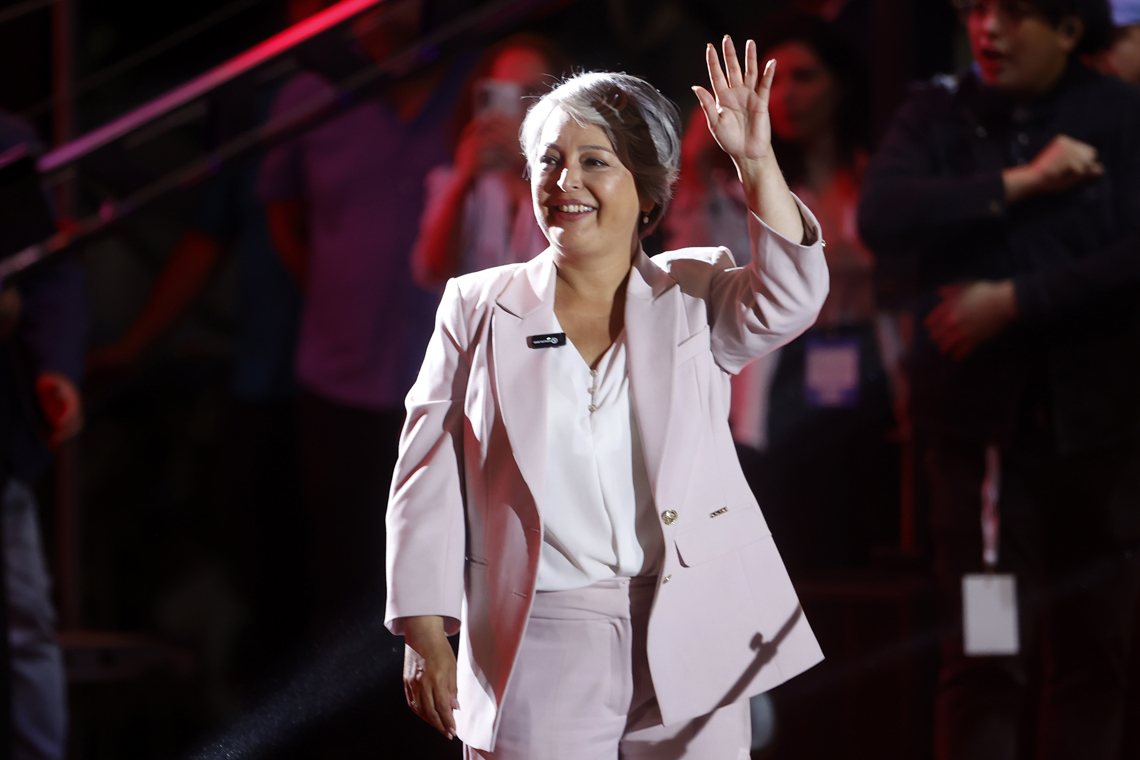
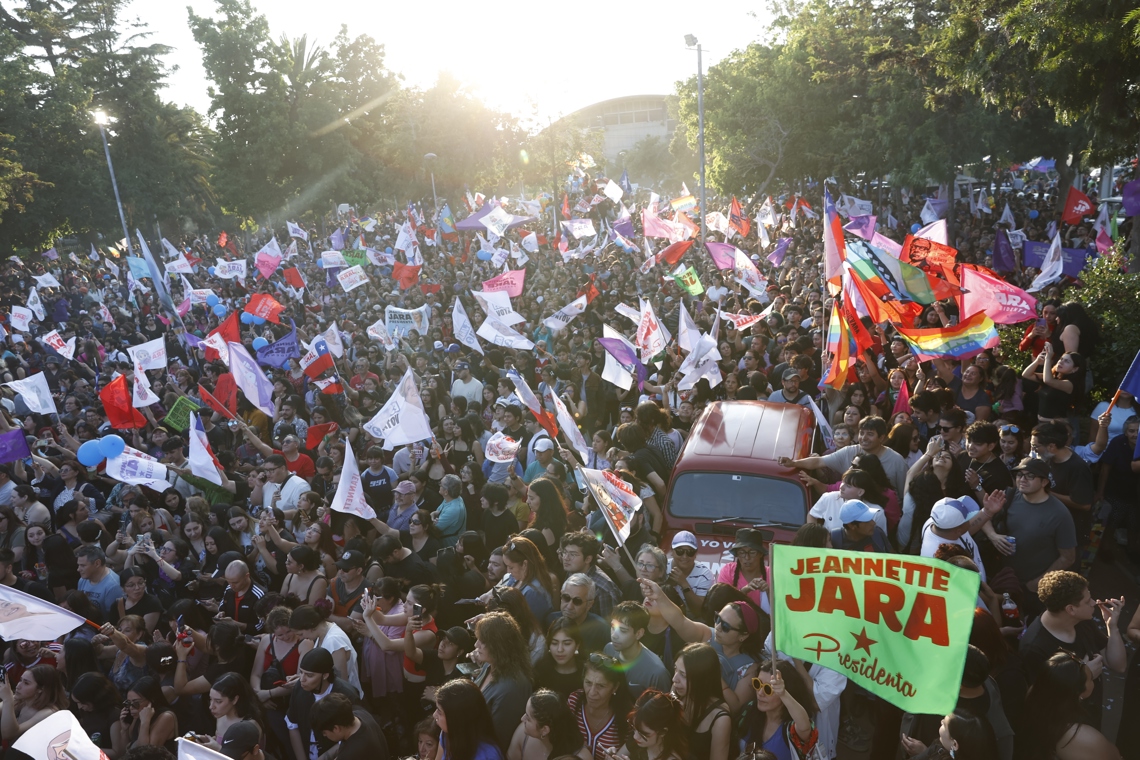
There is an important similarity between the second electoral round of 2000 and the one that will take place on December 14. The presidential candidate of the government coalition, the communist and former Minister of Labor, Jeanette Jara, competes carrying the burden of a notoriously negative citizen evaluation of the performance of the current president, Gabriel Boric.
The September-October survey by the Center for Public Studies (CEP) places Boric’s disapproval at 62%. Only 28% approve of the president’s management. Undoubtedly, it is a fact that, both in Chile and in Latin America, has consistently announced an unfavorable electoral outcome for the ruling party.
But, in the opposite corner, is the controversial figure of the leader of the Republican party, José Manuel Kast. In 1998, Kast supported the option in favor of the continuation of Pinochet. He chaired the Political Network for Value network that many consider to have extreme positions. He has defended the economic legacy of the dictatorship and in the 2017 elections he assured that the General would vote for him if he were alive. Kast and the Republicans come from one end of the ideological spectrum (far-right) and do not have executive experience at the national level.
The 2024 Latinobarómetro report found that 61% of Chileans support democracy. The question is: does an eventual Kast government represent a threat to the continuity of the democratic regime in Chile?
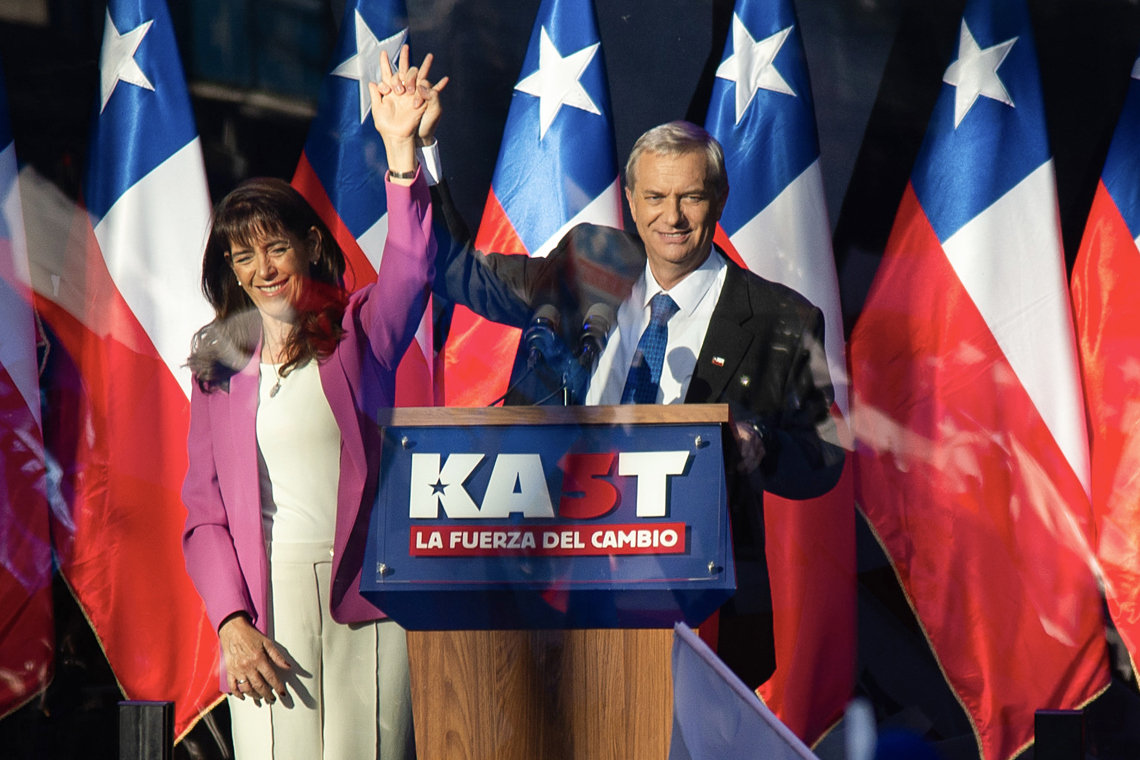
In effect, the second round of 2025 reissues, in a certain way, the axis of the 2000 elections. A left-wing government force whose management is negatively evaluated by citizens seeks to retain power in the face of a (ultra) right-wing formation that raises serious doubts about its commitment to democracy.
Will history repeat itself?
The precedent of the year 2000 is important, but not necessarily decisive. We must not forget that the 2023 presidential elections in neighboring Argentina also faced a leftist-oriented government force devalued by an unsuccessful management (Unión por la Patria) and a far-right political formation with no government experience (La Libertad Avanza) that, however, obtained the support of the undisputed majority of the electorate.
The electoral contest between these two types of adversaries does not necessarily end with the same result. Therefore, the correct starting point must be another question. For example, what does it depend on that the competition between a poorly evaluated left-wing ruling party and a right-wing party with limited credibility sometimes leans in favor of one contender and on other occasions does so to the benefit of the other.
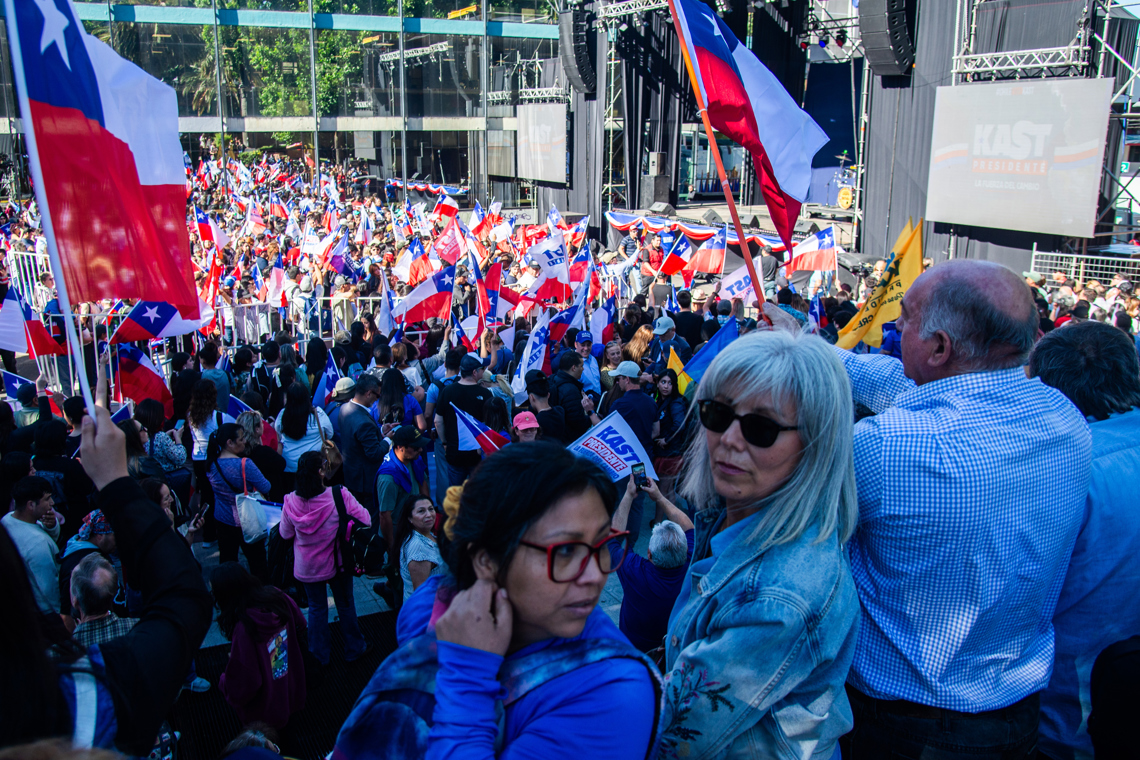
The domain from which voters go to the polls
The support of the electorate in these circumstances depends on the perception that predominates about the context in which they go to vote. If it tends to be perceived as moderately unfavorable, they will support the continuity of the ruling party. But, if it is perceived as critical, they will choose to leave their doubts in the background and will support the challenging political force.
The latest CEP survey provides some clues about the domain from which Chileans will vote on December 14.
84% rate the situation in the country as bad or fair. 80% consider that the country is stagnant or in decline. 89% rate the current political situation in the country as fair, bad or very bad. 64% consider that democracy works poorly or averagely, versus 33% who consider it works well or very well. 48% agree that in some circumstances an authoritarian regime may be preferable or that a democratic regime does not matter to them than an authoritarian one. While for 47% democracy is preferable to any form of government.
Other information
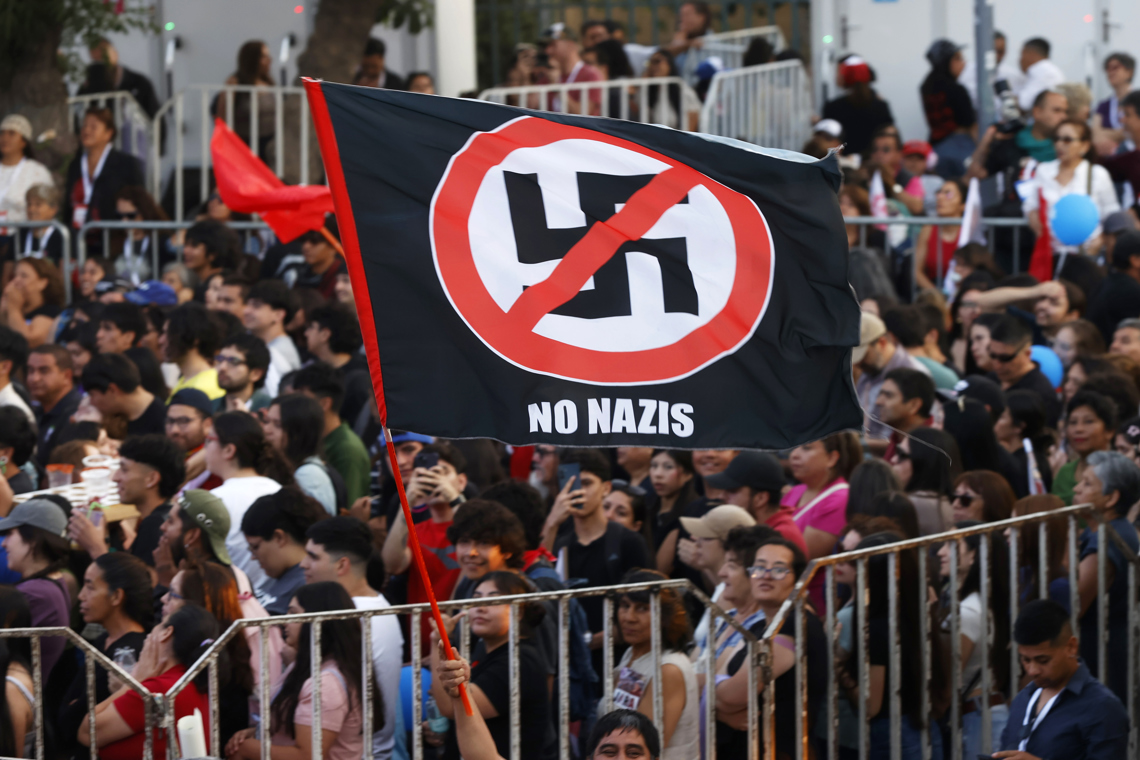
In turn, other measurements show where the balance could tip. The image of the candidates is a measurement that matters. This time, Kast enters the election with 38% positive image and 39% negative image. Substantially different from the losing Kast of the 2021 elections. Then only 16% evaluated it positively while 61% evaluated it negatively. On the other hand, her opponent, Jeanette Jara, registered a 32% positive image against a 44% negative one.
In the first round, Jeanette Jara obtained 26.8% against Kast’s 23.9%. In third place was the populist Franco Parisi of the People’s Party, with almost 20% of the votes. The support of Parisi’s voters, who announced that he would vote null, will be very important and according to surveys, while 49% of his followers would support Kast, only 16% would support Jara.
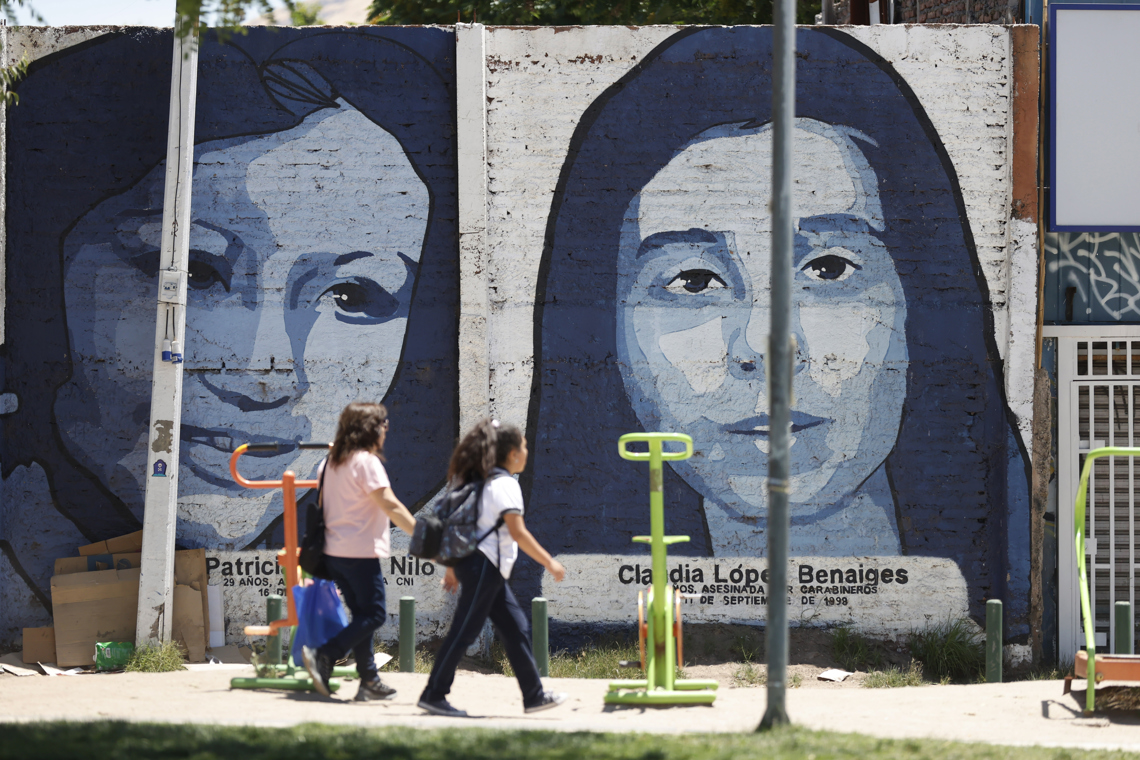
In turn, two presidential candidates, the libertarian Johannes Kaiser and the representative of the traditional right Evelyn Matthei, reached 14% and 12.5% of the votes in the first round, respectively. Both parties, ideologically close to the Republican Party, immediately gave their support to Kast in the second round.
Although Kast’s Republicans obtained the greatest representation in the Chamber of Deputies and the Senate, the seats they control are insufficient to promote legislative reforms that surreptitiously change the nature of the political regime. If they become a ruling force, the composition of Congress will force them to dialogue and reach agreements with other forces.
Finally, Kast focused his campaign on three priority issues for Chilean citizens in which the results of the ruling party were unsatisfactory: order, immigration control and economy.
The surprise would be if the electoral outcome of 2000 were reissued. It seems more sensible to hope that the majority of the electorate leaves any reservations they may have about José Antonio Kast’s eventual management in the background and crowns him as the new president. Sometimes history repeats itself, but other times it reinvents itself.