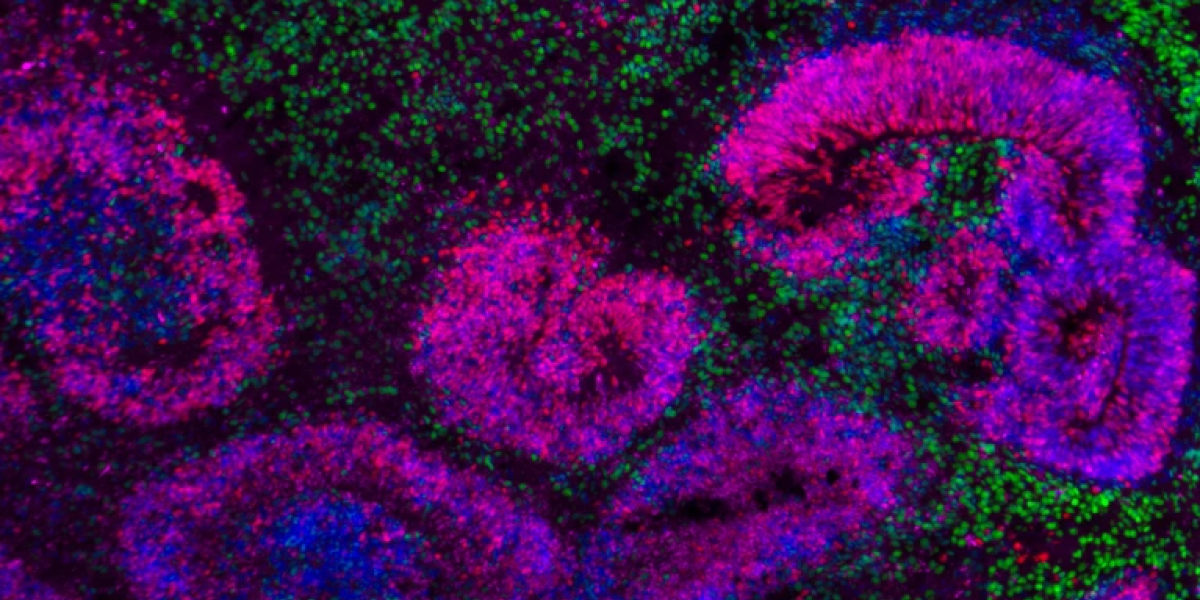
Science has reached a milestone in an ambitious effort to map how different types of brain cells arise and mature from embryonic and fetal stages to adulthood, which could point to new ways to address certain conditions such as autism and schizophrenia.
The researchers claim to have completed a first draft of the atlas of the developing human brain and the developing mammalian brain.
The research focused on human and mouse brain cells and some work was also done with monkeys. In their initial draft, the scientists charted the development of different cell types, following their birth, differentiation and maturation into various types with unique functions. They also analyzed how their genes are turned on or off over time.
The scientists identified the key genes that control brain processes and discovered some common aspects of cellular development between human and animal brains, as well as some unique aspects of the human brain, including the identification of previously unknown cell types.
The findings are detailed in a collection of studies published in Nature and related journals. The research is part of the BRAIN Initiative Cell Atlas Network (BICAN) of the US National Institutes of Health, an international scientific collaboration to create a comprehensive atlas of the human brain.
“Our brain has thousands of cell types with extraordinary diversity in their cellular properties and functions and… they work together to generate a variety of behaviors, emotions and cognition,” said neuroscientist Hongkui Zeng, of the Allen Institute in Seattle and leader of two of the studies.
The researchers found more than 5,000 types of cells in the mouse brain. It is believed that there are at least the same number in the human brain.
“The developing brain is an incredibly enigmatic structure because it is difficult to access, it is made up of many different cell types and changes quickly. “We knew about the general changes that occur during brain development, but now, thanks to this set of atlases, we know in much more detail which pieces of the developing brain are,” said Aparna Bhaduri, a neuroscientist at UCLA and another of those responsible for the research.
The research promises important practical applications.
“First, by studying and comparing brain development in humans and animals, we will better understand human specialization and where our unique intelligence comes from. Second, by understanding normal brain development in humans and animals, we will be able to better study what changes occur in diseased brains – when and where – both in diseased human tissues and in animal models of disease,” Zeng said.
With this knowledge, scientists hope to achieve more precise gene and cell therapies for various human diseases, according to Zeng. The findings are expected to lead to a better understanding of autism, attention deficit hyperactivity disorder, schizophrenia and other conditions known to arise during brain development.