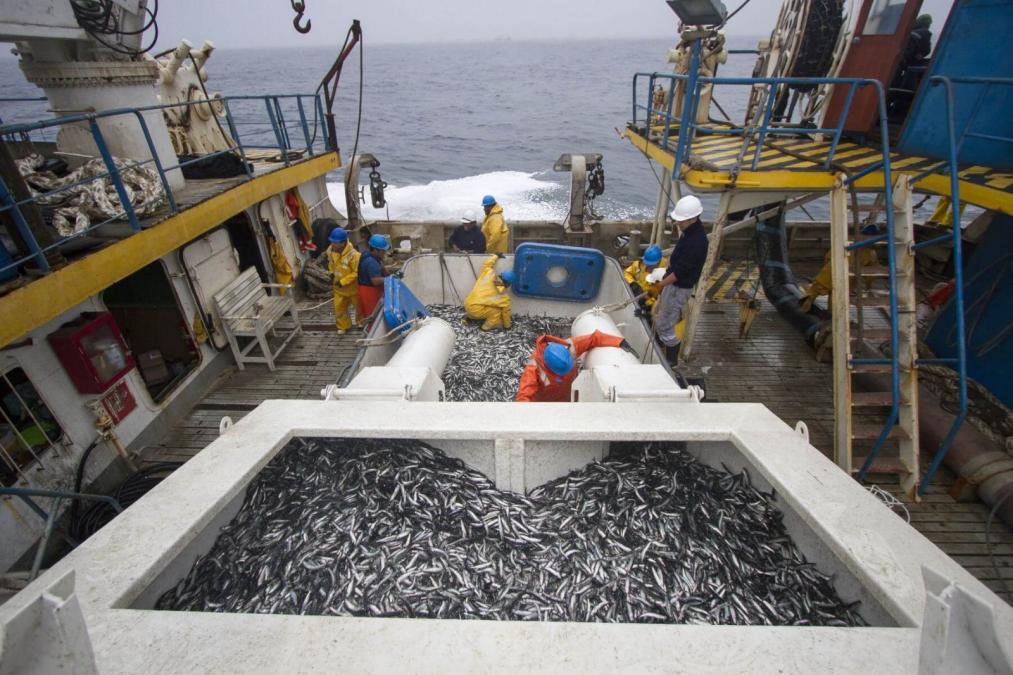
Ocean conservation and the development of fishing activity do not have to be contradictory objectives when there are clear rules, reliable scientific information and articulated management between authorities. This was pointed out by specialists in marine research and environmental governance, who highlighted that formally regulated fishing coexists with the objectives of protecting biodiversity.
The experts explained that protected natural areas, including marine ones, do not necessarily imply an absolute prohibition. Peruvian legislation establishes different management categories: from indirect use zones, where extraction is not allowed, to direct use zones, where economic activities compatible with conservation can be developed, under management plans and technical supervision.
This compatibility has been key to the country’s economic recovery. According to recent figures from the Ministry of Production (PRODUCE), the GDP of the fishing sector grew by 24.9% during 2024, driven precisely by the increase in the capture of anchovy in authorized areas, demonstrating that regulated exploitation generates a high impact on the country’s economy.
For Jennifer Vilches, director of the Humboldt Institute for Marine and Aquaculture Research, “a protected area is an ordered space, not an untouchable territory. Its objective is to ensure sustainable use consistent with what the conservation plans establish.” He added that for this it is key that PRODUCE, SERNANP and the technical authorities act in a coordinated manner, avoiding contradictory decisions that generate legal uncertainty.
How to achieve a sustainable goal?
From a scientific approach, specialists highlighted that marine management must be based on verifiable ecological criteria: interaction between species, reproduction areas, ecosystem dynamics and behavior of populations such as anchovy.
Mariano Gutiérrez, scientific director of the Humboldt Institute, pointed out that “it is not just about counting species, but about understanding how the entire ecosystem works.” According to him, the available evidence supports the idea that regulated industrial fishing is compatible with conservation. In addition, he recalled that anchovy biomass has remained stable for decades thanks to measures such as closures, quotas and the protection of spawning areas.
This responsible management translates into added value, according to PromPerú, fishing exports closed 2024 with USD 3,609 million, driven by dynamic growth in indirect human consumption (+100.3%), with greater shipments of fishmeal and fish oil.
External factors such as El Niño, coastal pollution or illegal fishing explain more precisely the fluctuations observed in certain marine populations, beyond formal industrial activity.
Governance and institutional articulation
The analysis also highlighted the importance of effective governance to achieve balanced decisions. Héctor Soldi, president of the Board of Directors of the Humboldt Institute, pointed out that recent cases, such as the process of creating the Nazca Dorsal National Reserve, show the need for robust coordination between PRODUCE, IMARPE, SERNANP and the maritime authority.
“The challenge is not to choose between conservation or development, but to ensure that public policies follow the best available evidence,” he said. Furthermore, he emphasized that respecting scientific recommendations is essential to guarantee sustainable resources in a context of high climate variability.
What does put the health of the ocean at risk?
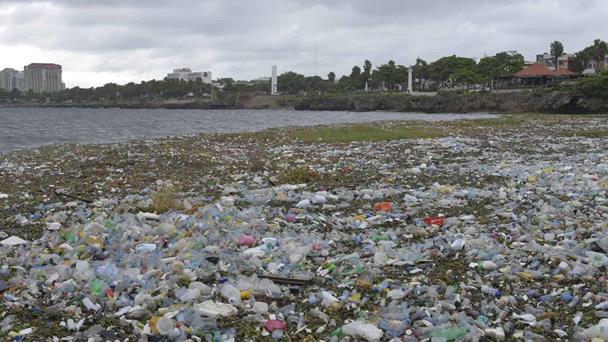
The specialists agreed that the main risks to marine ecosystems do not come from formal industrial fishing, but from activities outside the regulatory framework: illegal fishing, informality in coastal areas, pollution from untreated discharges, disorderly tourism and weaknesses in oversight.
Gutiérrez warned that “without effective surveillance and management, even protected areas can become vulnerable.” Therefore, he highlighted that real conservation must address these structural factors in a comprehensive and sustained manner.
Receive your Perú21 by email or WhatsApp. Subscribe to our enriched digital newspaper. Take advantage of the discounts here.
RECOMMENDED VIDEO