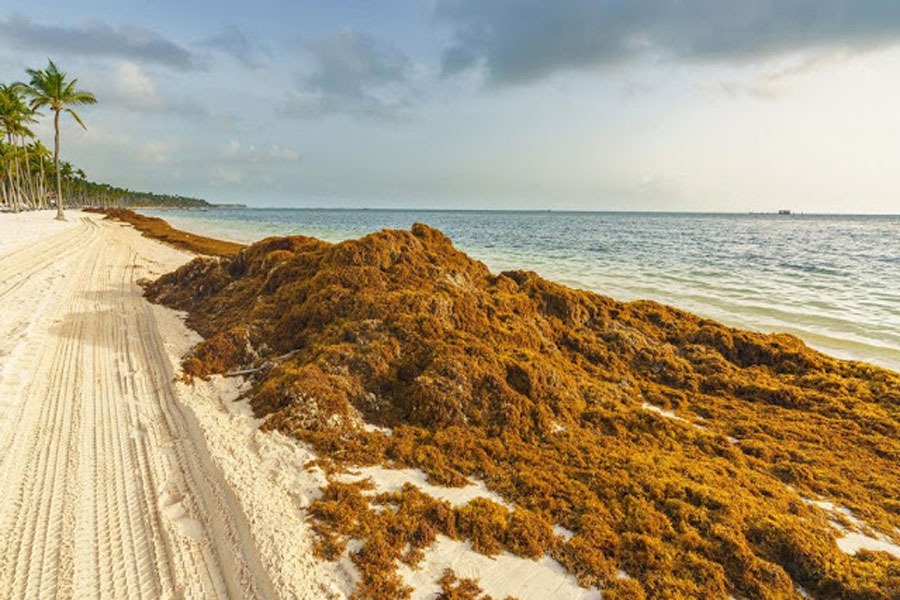
Santo Domingo.- After the resolution of the Organization of United Nations (UN) in which he adopted boost a global response to sargasso based on the proposal of the diplomatic delegation of Dominican Republiche Ministry of Environment and Natural Resourcesreported that it will continue to strengthen this initiative.
José Ramón Reyes, vice minister of Coastal and Marine Resources, together with Enrique Pugibet Bobea, marine biologist and advisor to that entity, after describing the resolution adopted by the UN as historic, agreed that it can be defined as a diplomatic and environmental milestone of global reach.
The adoption by the United Nations Environment Assembly (UNEA-7) of the resolution “Strengthening the global response to the massive influx of sargassum blooms” (UNEP/EA.7/Res.4), was presented by the country and co-sponsored by Barbados and Jamaica.
“This resolution constitutes the first specific global instrument on sargassum, formally recognizing this phenomenon as an environmental, economic and social threat for coastal countries, particularly in the Greater Caribbean, and calling for a coordinated response based on science, international cooperation and sustainable management,” said José Ramón Reyes.
Strategic value
In a document addressed to THE DAYboth officials said that the adoption of this resolution positions sargassum not only as an environmental challenge, but also as an opportunity to develop sustainable solutions, strengthen coastal resilience and promote innovative approaches to responsible management, mitigation and valorization of this macroalgae.
They also highlighted that this instrument reinforces the generation and exchange of scientific data, promotes monitoring, early warning and technical cooperation, as well as opens the door to international financing mechanisms, and encourages the development of sustainable use alternatives, under environmental and health criteria.
“For the Ministry of Environment and Natural Resources, this resolution represents high-level political and technical support for the national actions that the country has been promoting for the comprehensive management of sargassum,” Reyes said.
Both argue that this decision strengthens the institutional position of the Ministry as the governing body of coastal and marine environmental policy; the alignment of national plans, programs and projects with a recognized international framework, as well as the capacity of the Dominican State to mobilize international cooperation, technical assistance and financial resources destined for sargassum management.
Role of the Vice Ministry
In particular, Reyes and Pugibet affirmed that the resolution reinforces the technical leadership of the Vice Ministry of Coastal and Marine Resources, by recognizing the need for integrated approaches that include: Prevention and monitoring; maritime and coastal management; the protection of sensitive ecosystems, as well as inter-institutional and territorial coordination.
“The Vice Ministry is thus consolidated as a key instance for the national implementation of the guidelines promoted by the resolution, articulating efforts with public, private, community and academic actors, and guaranteeing that responses to sargassum are carried out under criteria of environmental sustainability and climate resilience,” Reyes detailed.
RD Position
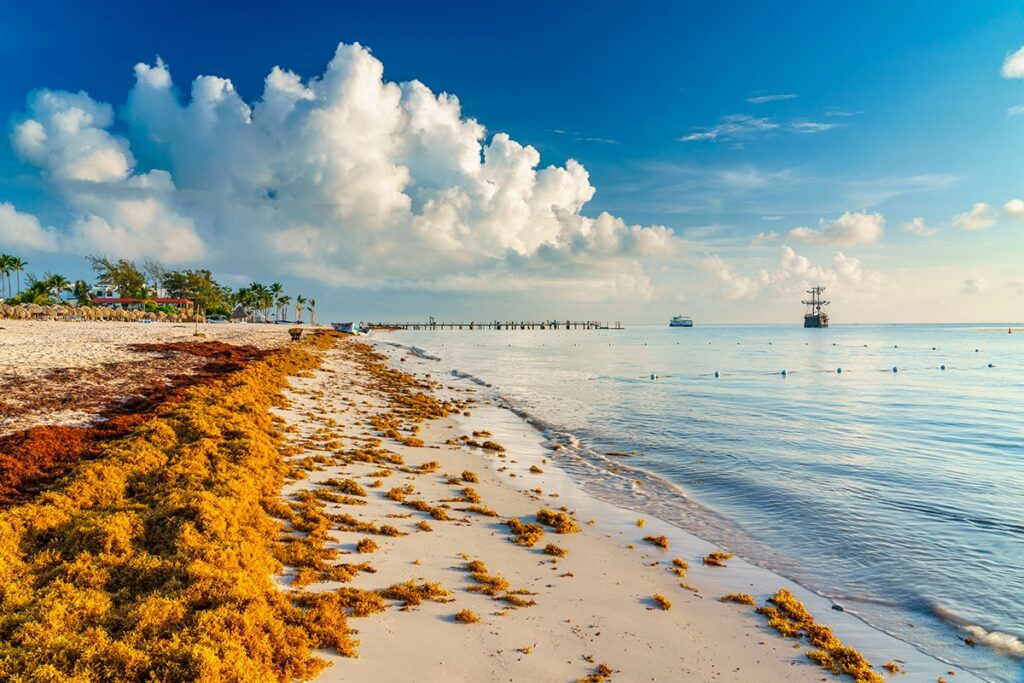
With this initiative, the Dominican Republic affirms its regional and global leadership in the marine environmental agenda, demonstrating active diplomacy aimed at transforming a complex environmental problem into an opportunity for cooperation, innovation and sustainable development, Reyes said.
He also said that the resolution reflects the country’s commitment to protecting marine biodiversity, defending coastal livelihoods, such as tourism and fishing, and building collective solutions to cross-border environmental challenges.
“The Ministry of the Environment reiterates its commitment to continue working, through the Vice Ministry of Coastal and Marine Resources and its national and international allies, to implement policies and actions that guarantee more resilient coasts, protected ecosystems and sustainable development for present and future generations,” the official added.