was not in Santiago de Cuba when Sandy’s brutal hit. I had traveled to Camagüey shortly before and did not experience firsthand that fateful morning in October 2012, when the hurricane shook the city without mercy and left the tragedy forever etched in the memory of the people of Santiago.
I could not hear—nor could many of those who were in Santiago at that time—the dramatic and late message from Lázaro Expósito, then first secretary of the Communist Party in the province, asking people to save their lives and immediately protect themselves from the monster that was arriving.
Nor did I experience the unspeakable suffering of the many who saw their roofs fly off, their walls fall, lose all their things in the middle of the night, and had to quickly take refuge in bathrooms, closets or wherever they could, while the terrible howls of the wind seemed to deny the possibility of a tomorrow.
From a distance I received the dire news the next day and I was shocked. shock in the face of the horrifying experiences of my wife and friends, and the horrible images of the city that were beginning to spread. The reality, however, was even worse.
I returned to Santiago as soon as I could, on one of the first buses that left there once transportation was reestablished. But even before entering the city, as the bus silently crossed other devastated areas and towns, I could see the magnitude of the catastrophe from the road.
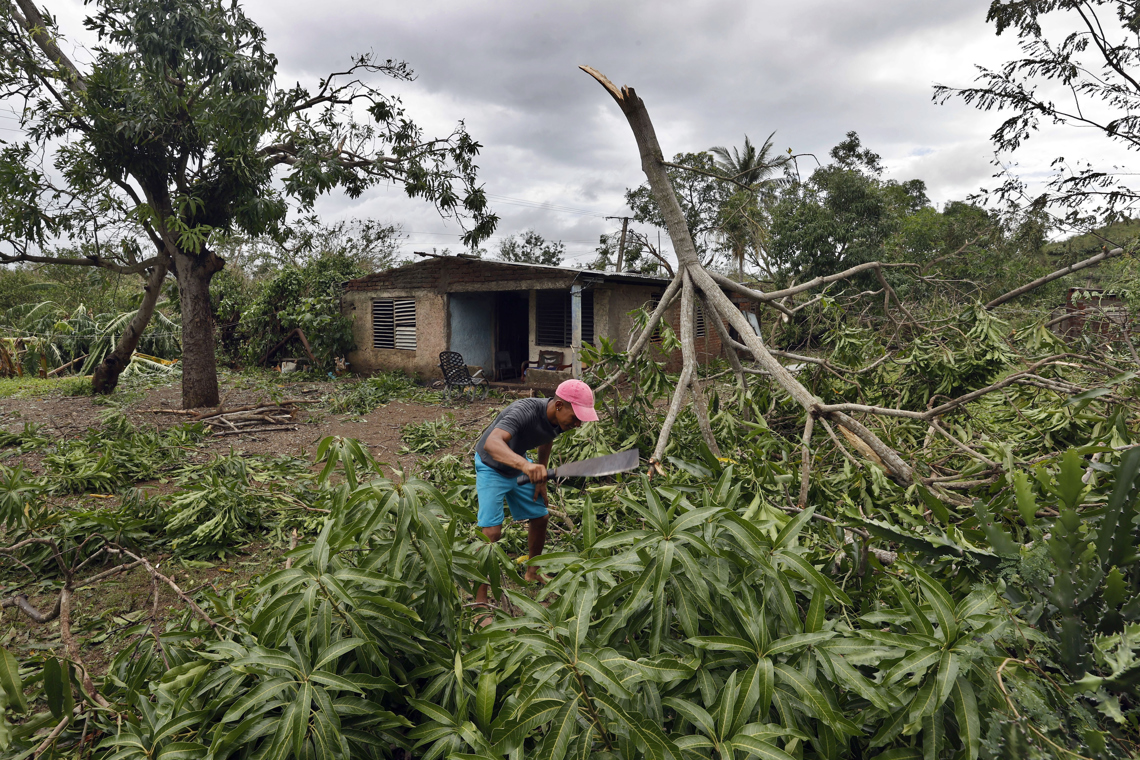
I have not been able to forget the countless felled trees that I saw along the way; the palm groves pollarded and dry; the reddish slopes, scorched by the wind, as if a dragon had ravaged them; the pieces of houses and roofs and walls and any other built thing that were scattered everywhere.
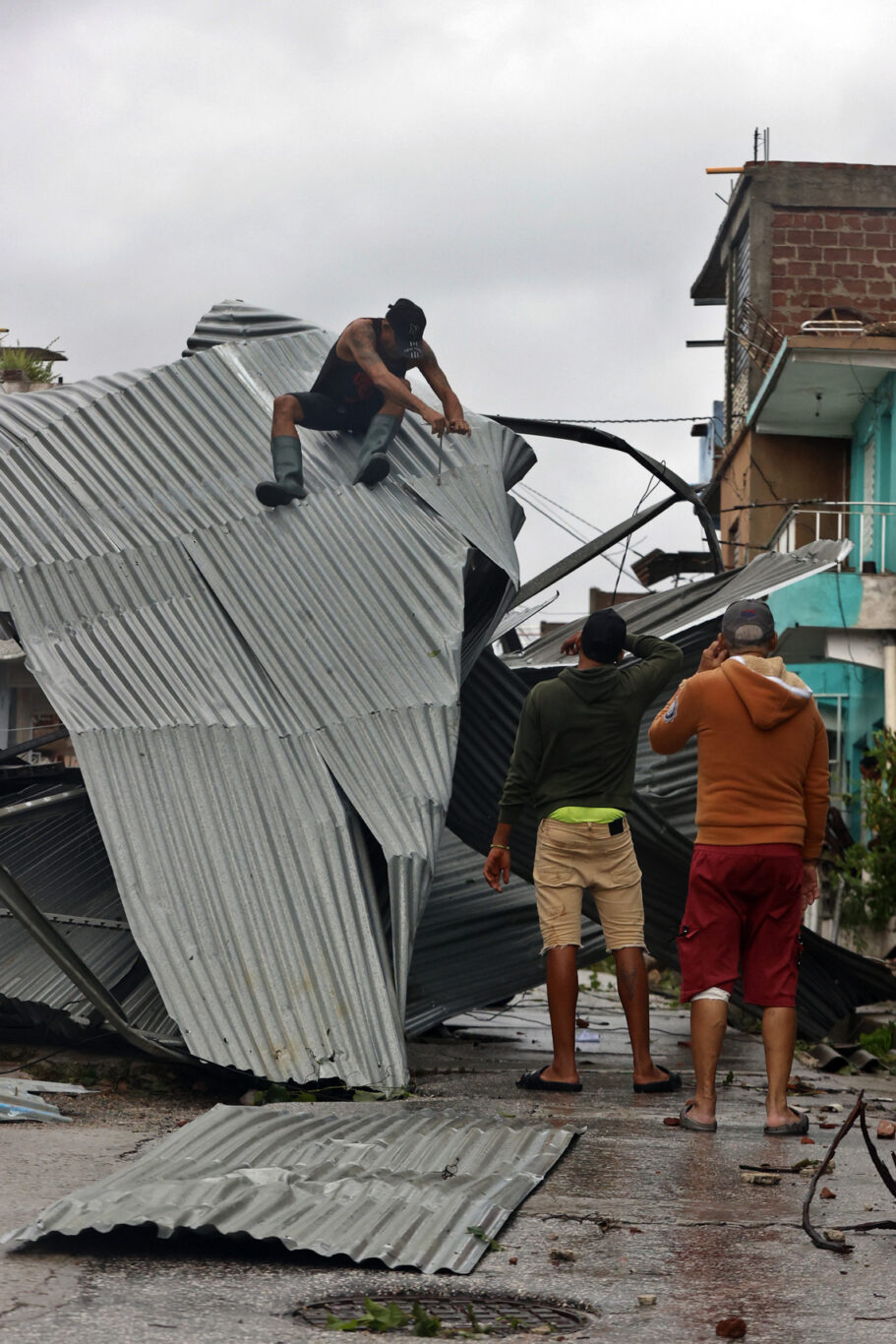
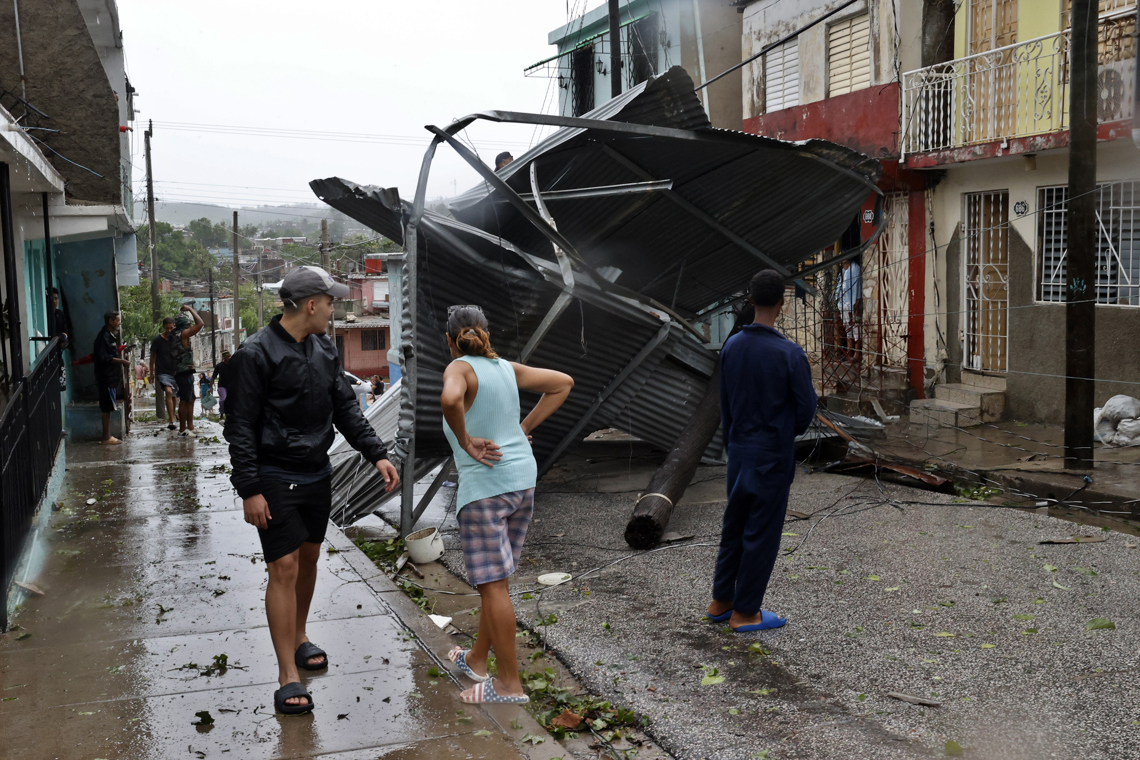
Already in Santiago the panorama was, if you will, even more overwhelming. Everywhere I walked, which was no small amount, the destruction squeezed my chest hard, and rubble, poles and logs piled up along the streets.

For many days, the zines folded like leaves, the irons surrendered to the fury of the wind, the branches and roots pruned by the roots—Sandy was baptized by the people of Santiago as “The Woodcutter”—were part of the urban landscape, the pitiful voids where there were furniture and walls.
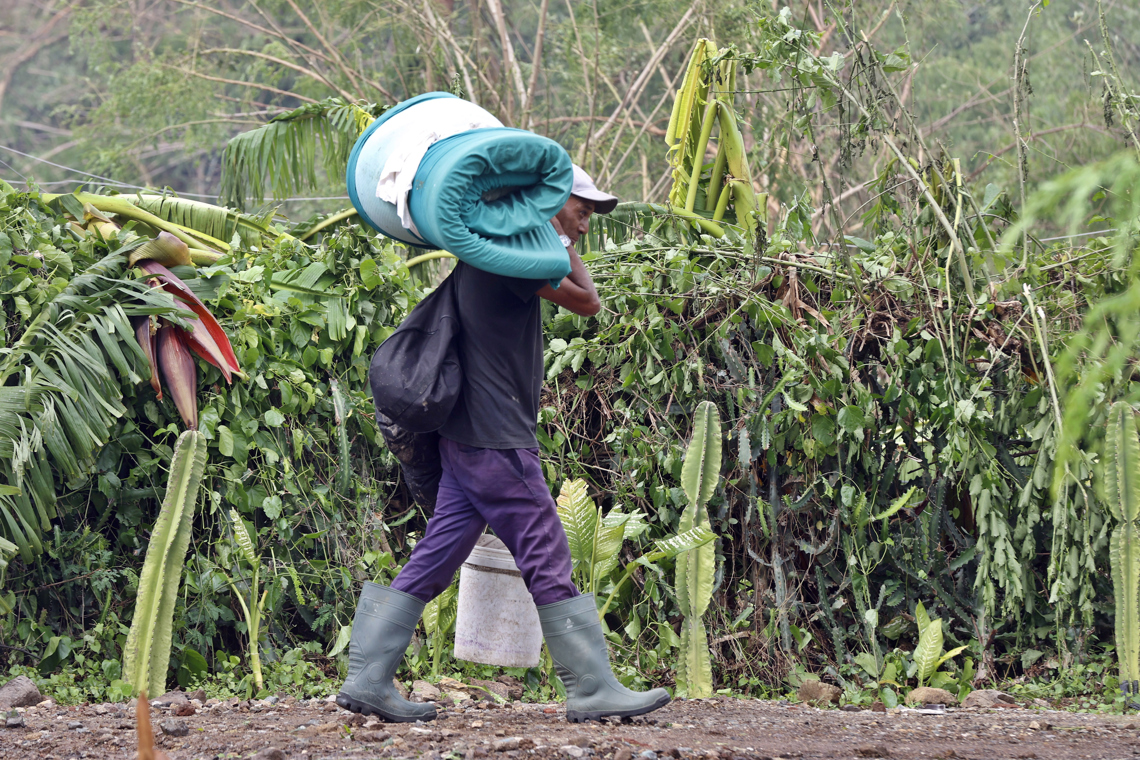
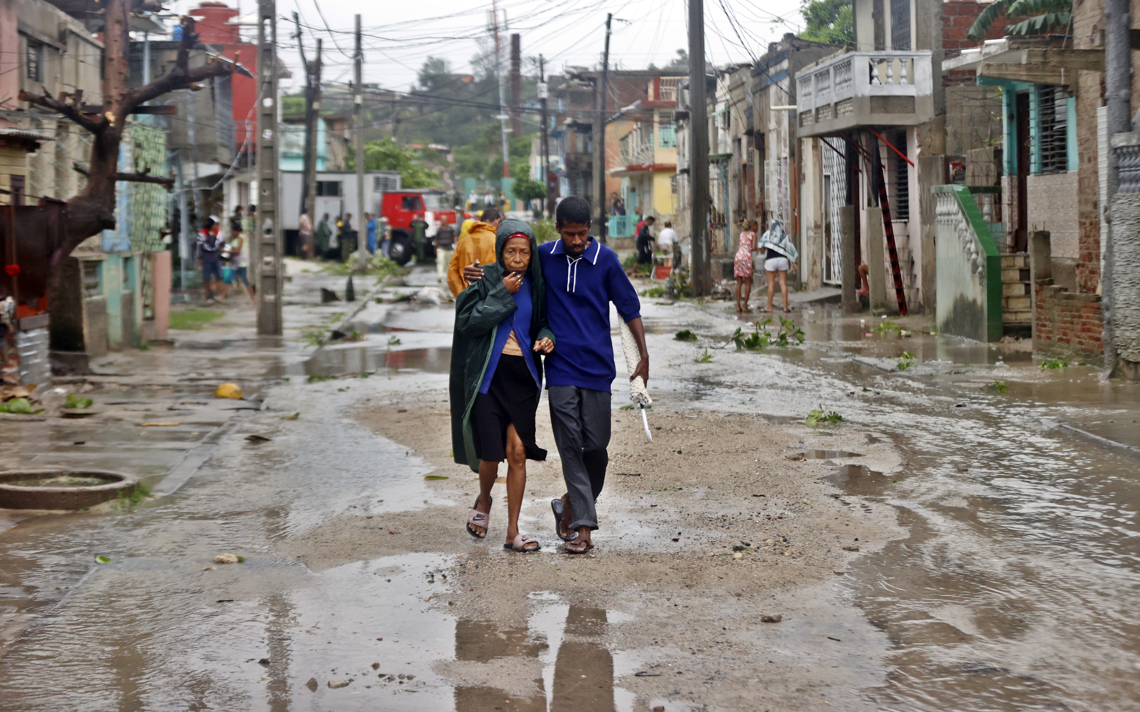
Meanwhile, people wandered around like zombieshit by so much loss and pain.


It was difficult to overcome. It took time to come to terms with the disaster—not just the personal, that of each family, but that of the entire city—and to break the collective lethargy, although there was no shortage of supportive hands and support from many, from neighbors and also from strangers.
As for my house and my family, we were lucky. In the end we only lost part of the roof, which we managed to replace in a short time – the wet things dried and could be saved – and we were without electricity for about 20 days. But for many, thousands and thousands, it was not the same. Some even lost the most valuable thing: their lives.
Those dark, sad days of Sandy left a deep mark on Santiago and its people. They destroyed the myth that the mountains protected the city from cyclones and shaped in the worst way a trauma that is relived every time a hurricane roams the Caribbean and approaches eastern Cuba.
Now, unfortunately, that trauma has been cruelly entrenched with Melissa.
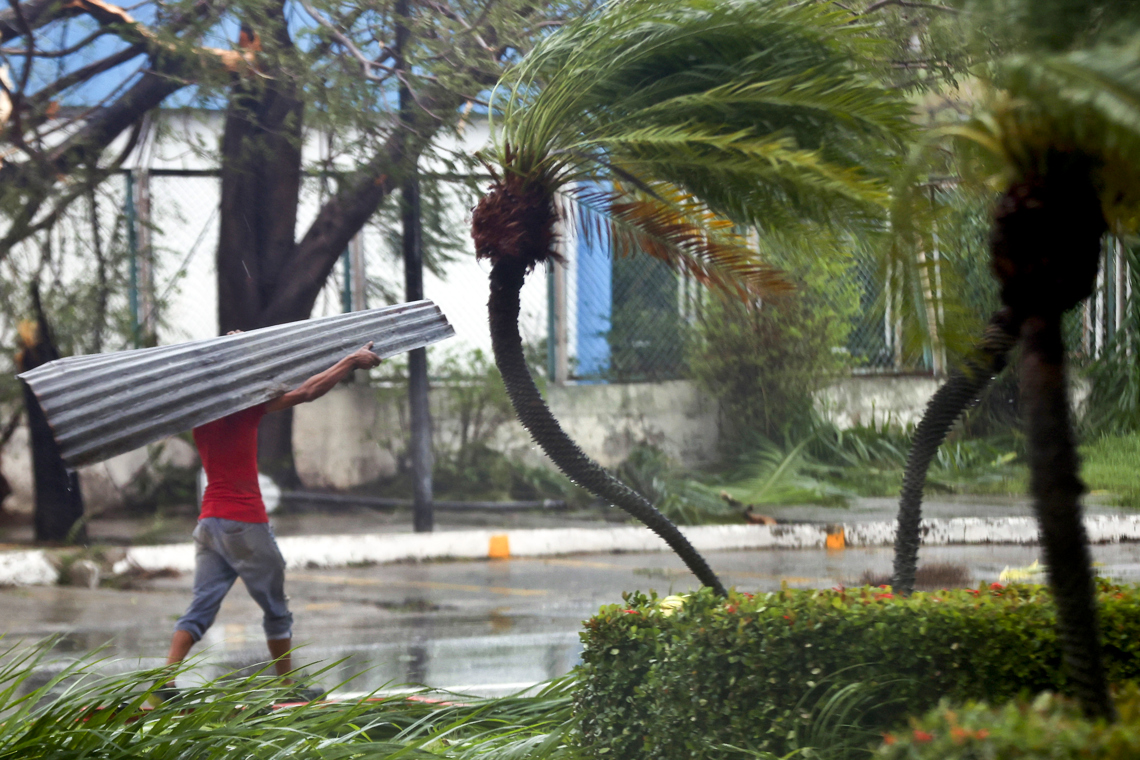
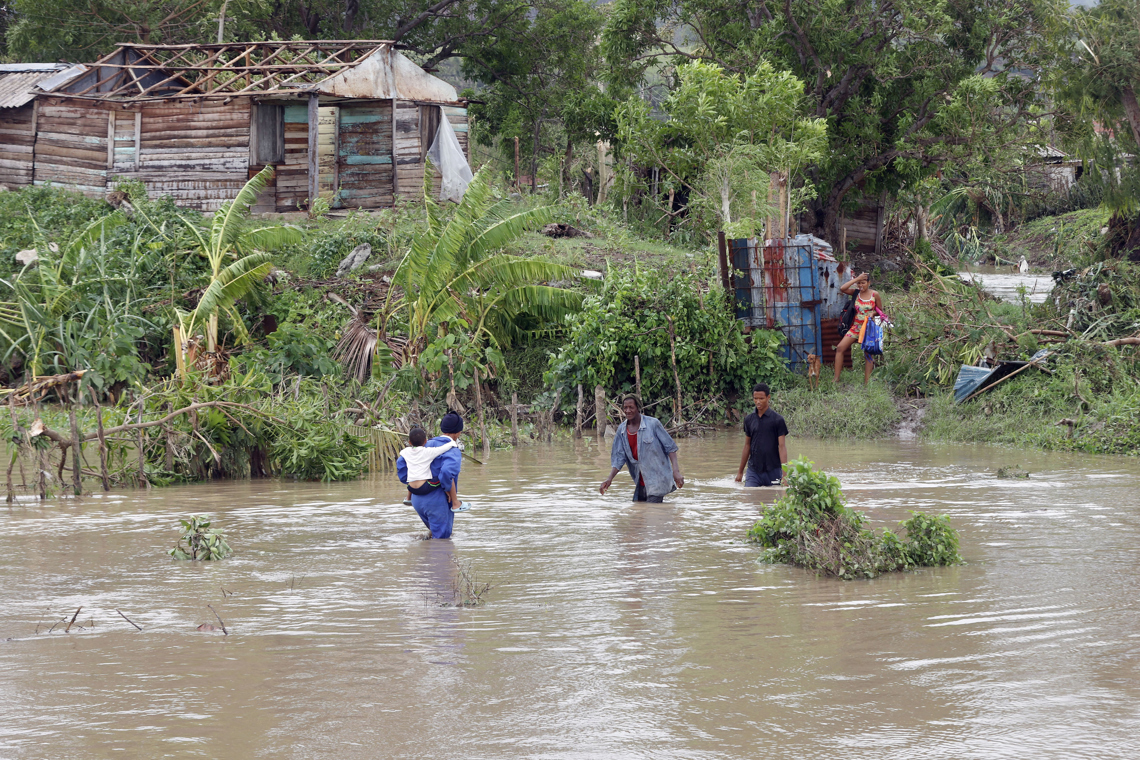
I wasn’t there this time either – now I’m not even in Cuba – but the many photos I have seen in recent days of the destruction caused by this hurricane have inevitably reminded me of what happened 13 years ago. They have left me with the same feeling of helplessness, desolation, and sadness.
Beyond personal impressions and possible comparisons with Sandy—of which I have already seen more than one on the networks—the reality is so fierce, so devastating, that it cannot be measured in kilometers per hour or hectoPascals. For those who lost everything or almost everything, the category of the hurricane matters little.
The damages are, without a doubt, very significant and far exceed Santiago; They extend over a larger area than the one hit by Sandy in 2012. And, although it may sound crazy, Cuba today is not the same as it was then—neither is its economy, nor its reserves, nor its people, nor its institutions—and not exactly for the better.
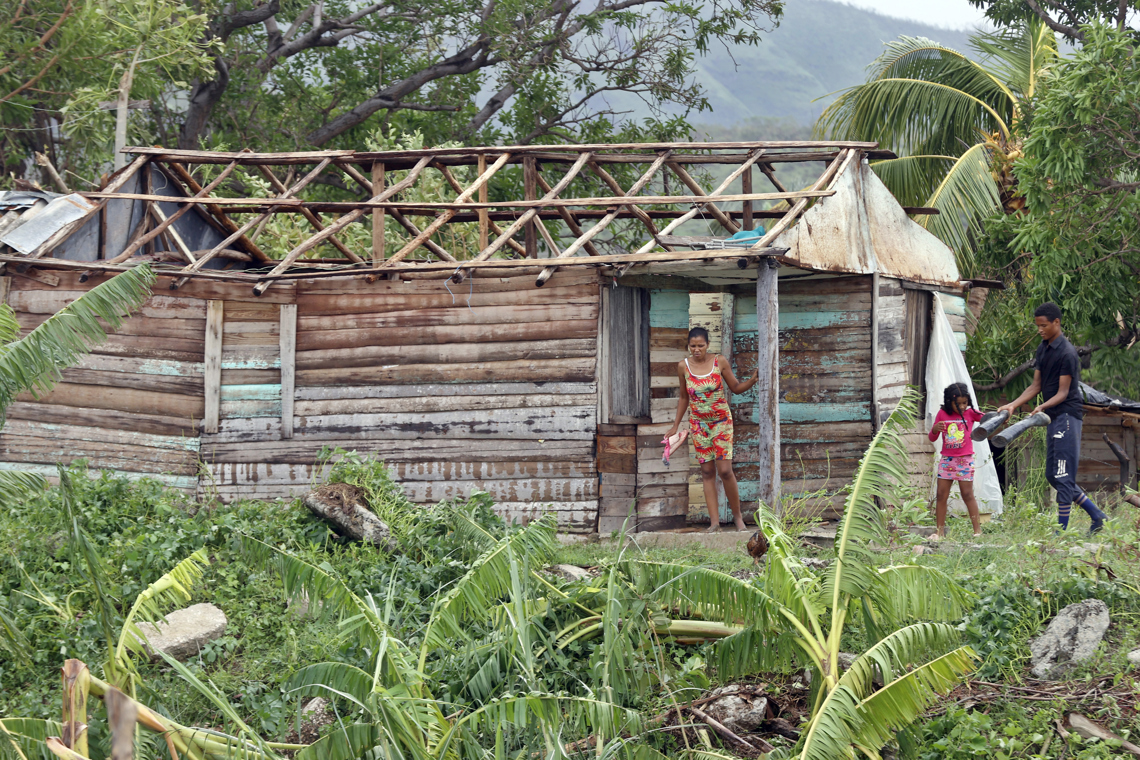
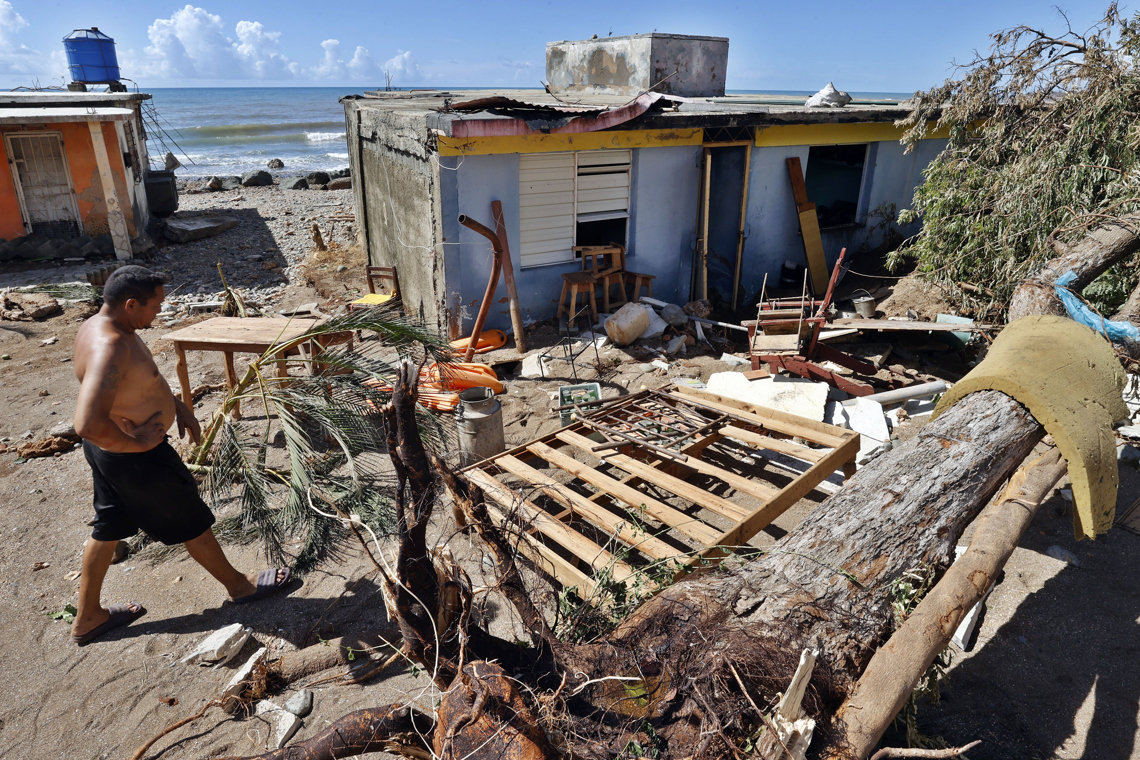
Overcoming this new blow will be very difficult. Recovering what was lost, or at least part of it, will cost a lot. I’m not saying it’s impossible, but it is arduous, painful, as much or more than when Sandy.
For Santiago, for eastern Cuba, for all those affected, moving forward will require a lot of strength, a lot of will, a lot of resilience, a lot of help. Not to fold your arms—once again—in the midst of so many shortcomings and difficulties, and to tame the now renewed trauma, because a next such destructive hurricane might not take another 13 years.