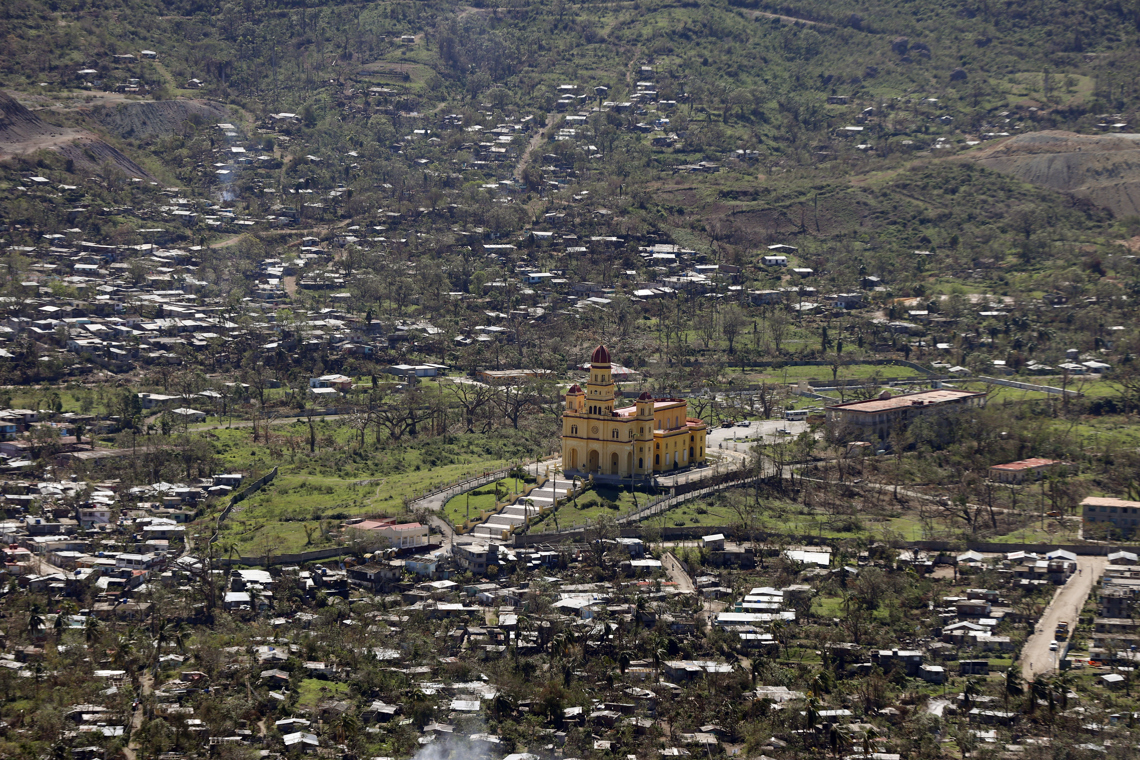
More than two weeks after the scourge of Hurricane Melissaalmost the 60% of the province of Santiago de Cuba continues without electricitywhile the record of damage caused by the meteorological event in that and the rest of the territories of eastern Cuba continues to grow.
16 days after the meteor, The Government described the situation in the affected area as “complex and difficult”due to the broad impact on housing, infrastructure and basic services.
During a meeting of the National Defense Council, broadcast on the program Round TablePrime Minister Manuel Marrero explained that Melissa left more than 149 thousand homes damaged and 158 thousand agricultural hectares affected throughout the eastern region.
Only in Santiago de Cuba are they registered more than 95 thousand homes with damage, including 2,300 completely collapsed and another 6 thousand total roof collapsesas explained by the president of the Provincial Defense Council, Beatriz Johnson.
These cases join the more than 6,900 families who “remain pending” since Hurricane Sandy through the Santiago territory 13 years ago.
For the rest, More than 50% of the educational centers in the province were affected now for Melissa, despite which the school year has already restarted with “temporary relocations in some cases.”
Johnson also warned about the serious epidemiological situation in the province. According to him, the municipalities Palma Soriano, Songo La Maya, San Luis and Santiago present transmission of dengue and chikungunyaailments that have increased after the environmental deterioration caused by the hurricane.
Recovery after Hurricane Melissa
Regarding basic services, the recovery remains uneven.
According to the update offered to the National Defense Council, 84% of electricity had been restored in the capital of Santiago, while the provincial total was only 43% this Thursday.
The drinking water supply reached 68% in the province and 60% in the city of Santiago. The mobile telephony, on the other hand, had barely recovered to 48% and sets it at only 38%, according to data provided by the authorities themselves.
| In the province, 68% of the population receives water through networks, and this figure is 60% in the city of Santiago. Work continues to recover and stabilize this service.
Fixed telephony is at 38% and mobile is at 48%, the greatest difficulties are in the capital. pic.twitter.com/oWVhpC9BX4
— Presidency Cuba (@PresidenciaCuba) November 13, 2025
The pace of sanitation work is also slow. “The main city shows 43% progress in cleaning”while the other municipalities work with “their own resources and external support,” said the also secretary of the Communist Party in Santiago.
In Guantánamo, another province severely hit, authorities reported that 26% of the 15 thousand damaged homes have already been repaired and that electricity was practically restored.
Meanwhile, in Holguín, where Melissa left the country, persistent rains associated with a cold front have caused new evacuations of hundreds of people, according to statements by the president of the Defense Council in that territory, Joel Queipo.
There, services show progress, according to authorities: 83.8% of water, 86% of electricity and 89% of telephone communication are restored.
Critical situation in Granma
The province of Granma also still faces significant damagealthough the authorities report progress in their recovery.
As reviewed Cubadebatethe vice president of the Provincial Defense Council, Yanetsy Terry Gutiérrez, reported that four municipalities are already in a normal phase.
However, the rains associated with the cold front forced 280 people to be moved to safe places, while 330 remain in state centers due to the impossibility of accessing their communities.
More rains and floods in Granma and Holguín force evacuations and complicate recovery
Terry added that 53 communities are still cut off by roadan obstacle that makes assistance difficult.
The same report of Cubadebate He explained that in Granma some 8 thousand homes have been damaged, including 236 total collapses and 3,715 roof damage.
In the agricultural sector, it is estimated that 52 thousand hectares have been damaged and losses of more than 75 thousand tons of products.
Faced with this situation, Marrero explained that subsidies have been enabled for construction materialsactivated 400 new processing offices and enabled 365 points of sale, while pointing out that the priority in the delivery of resources must be defined by the community itself.
Hurricane Melissa entered Cuba in the early hours of Wednesday, October 29, as a category 3 on the Saffir-Simpson scale and crossed the eastern end of the country for about seven hours, leaving in its wake gusts of up to 200 kilometers per hour, torrential rains and a strong storm surge that generated extensive flooding.
The impact on the provinces of Granma, Santiago de Cuba, Holguín, Las Tunas and Guantánamo left a wide trail of damage: bridges and roads affected, communities cut off from overflowing rivers and serious interruptions in basic services and mobility.