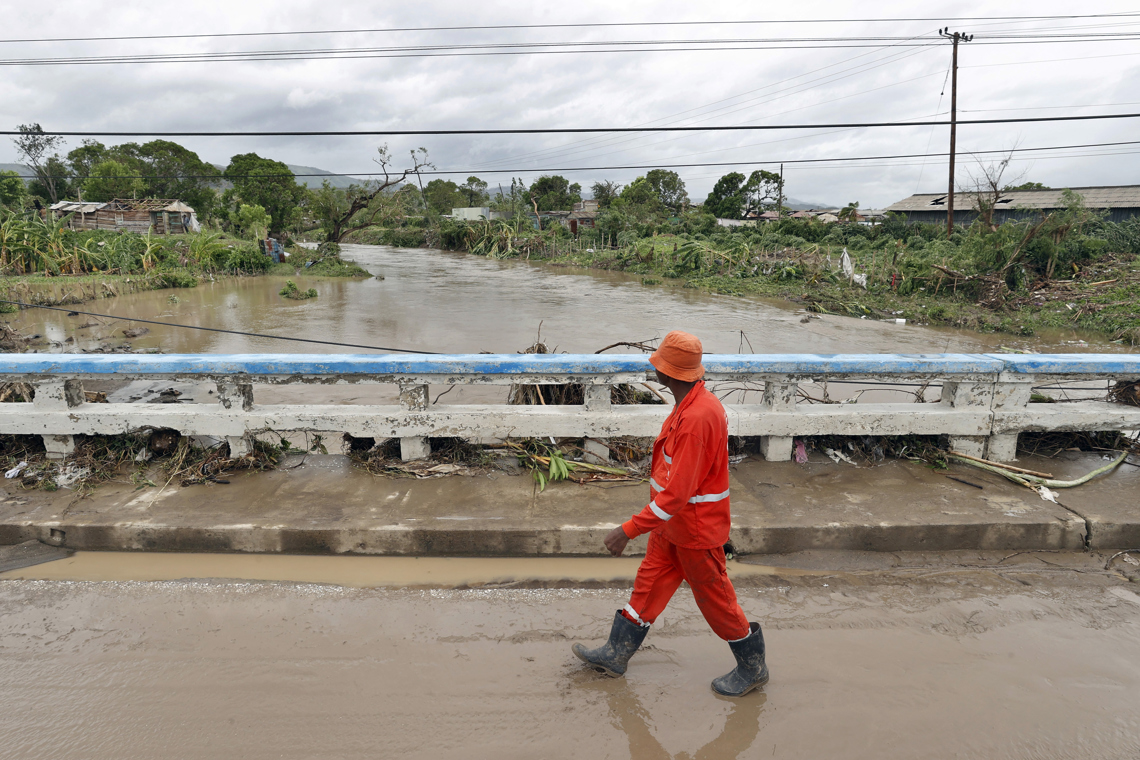
Cuban Eliécer, 43, was presumed dead several times when Melissa’s hurricane-force winds moved his zinc sheet house like a maraca. She snuggled with her kitten and said goodbye to her dog, who drowned when the water rose more than a meter.
“The house wanted to shake and I said: ‘Well, Lord, put your powerful hand. You know what you do’. If I die, at least I die alone,” he recalls in statements to EFE.
While speaking, Eliécer removes kilos of mud from what was his home, at the foot of the road that leads to Guamá, the municipality where the hurricane, with category 3 (out of 5) on the Saffir-Simpson scale, made landfall in Cuba in the early hours of this Wednesday.
His wife — who spent the night in Santiago de Cuba — was one of the 735 thousand people evacuated or protected in the six provinces in cyclone alarm (Granma, Santiago de Cuba, Guantánamo, Holguín, Las Tunas and Camagüey). The transferred people represent more than 7.5% of the island’s total population and almost 18% of the inhabitants of the affected region.
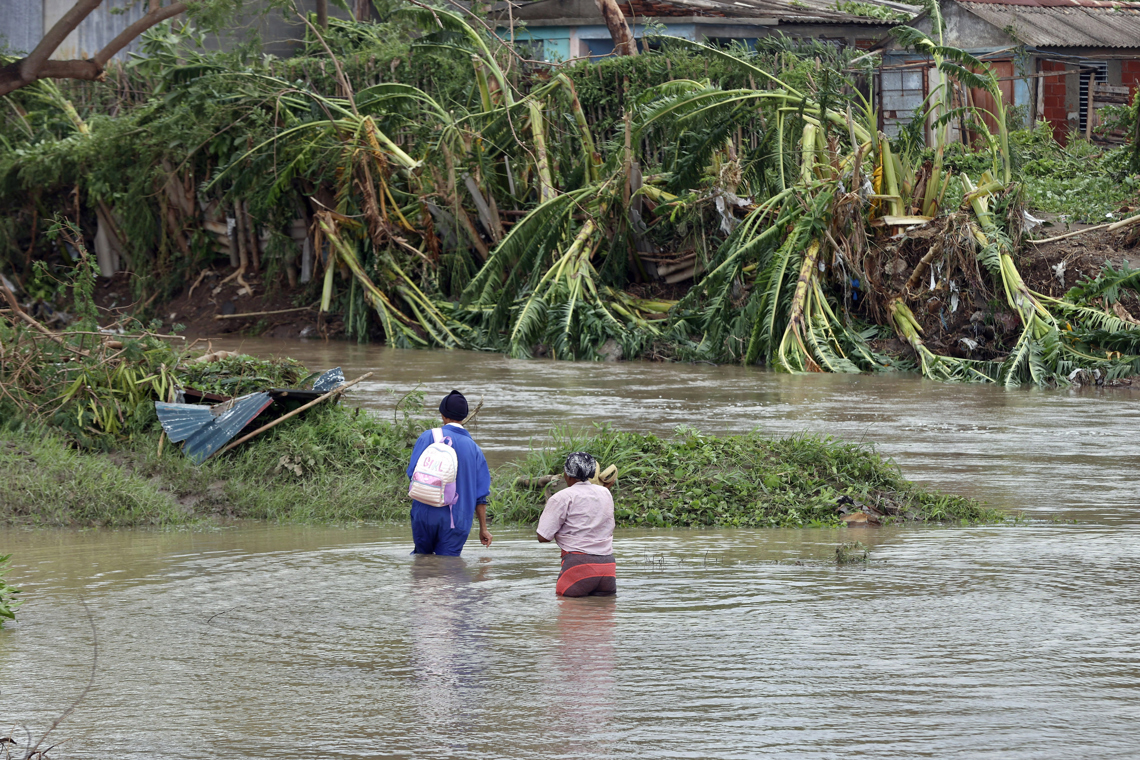
On the contrary, Eliécer was one of those who decided to stay, even if it could cost him his life. “I had underestimated the cyclone,” he admits.
Melissa’s power can be felt in a minimal tour of the capital of Santiago de Cuba, its neighboring towns and rural areas.
Trees are strewn across most streets and large stretches of road. Virtually all of eastern Cuba remains without electricity, which makes telecommunications a titanic task.
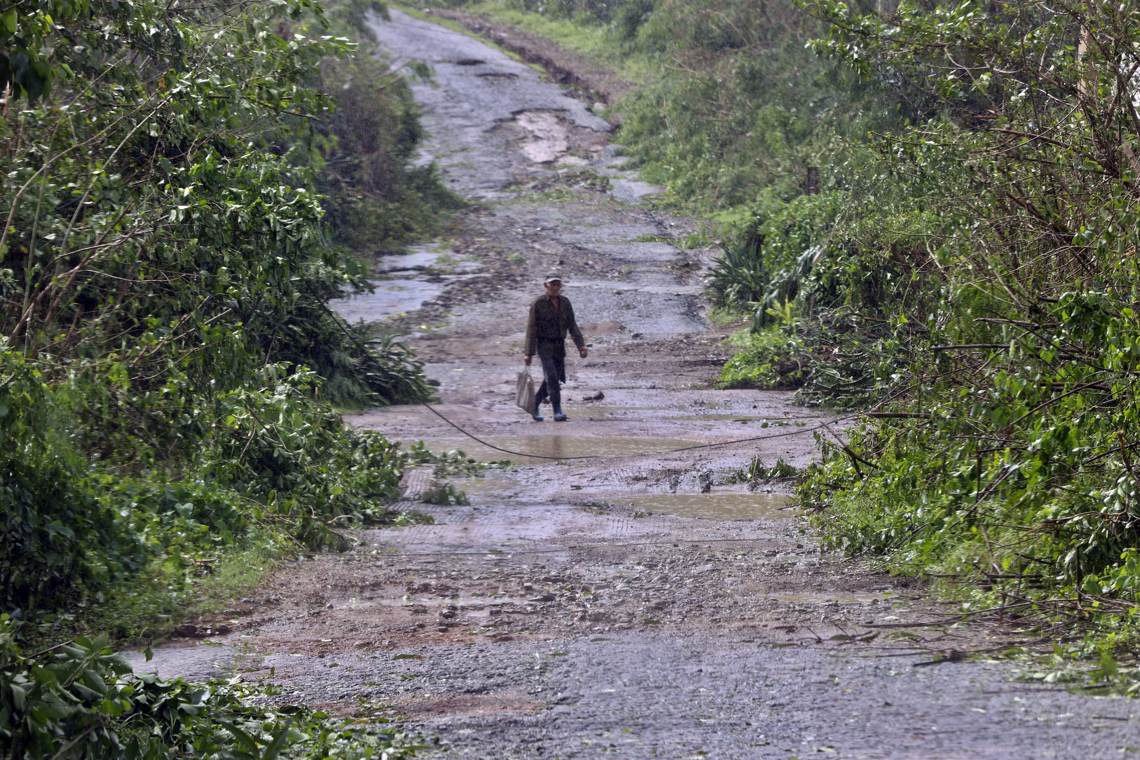
In the case of humble houses like Eliécer’s, at best they only lost their zinc roofs and at worst, not even the memory of a building remains.
Vilma Cabrera’s residence fits into the second category of cases. A banana tree destroyed his heritage, a shanty nestled in a green hill with muddy roads.
The worst, he assures EFE, is that his home had not yet fully recovered the state it was in before Category 3 Hurricane Sandy hit thirteen years ago.
“My blood pressure went up in the morning,” Cabrera confesses while showing EFE the state of the rest of their neighbors’ homes, demolished by the rise of the bed of a nearby river.
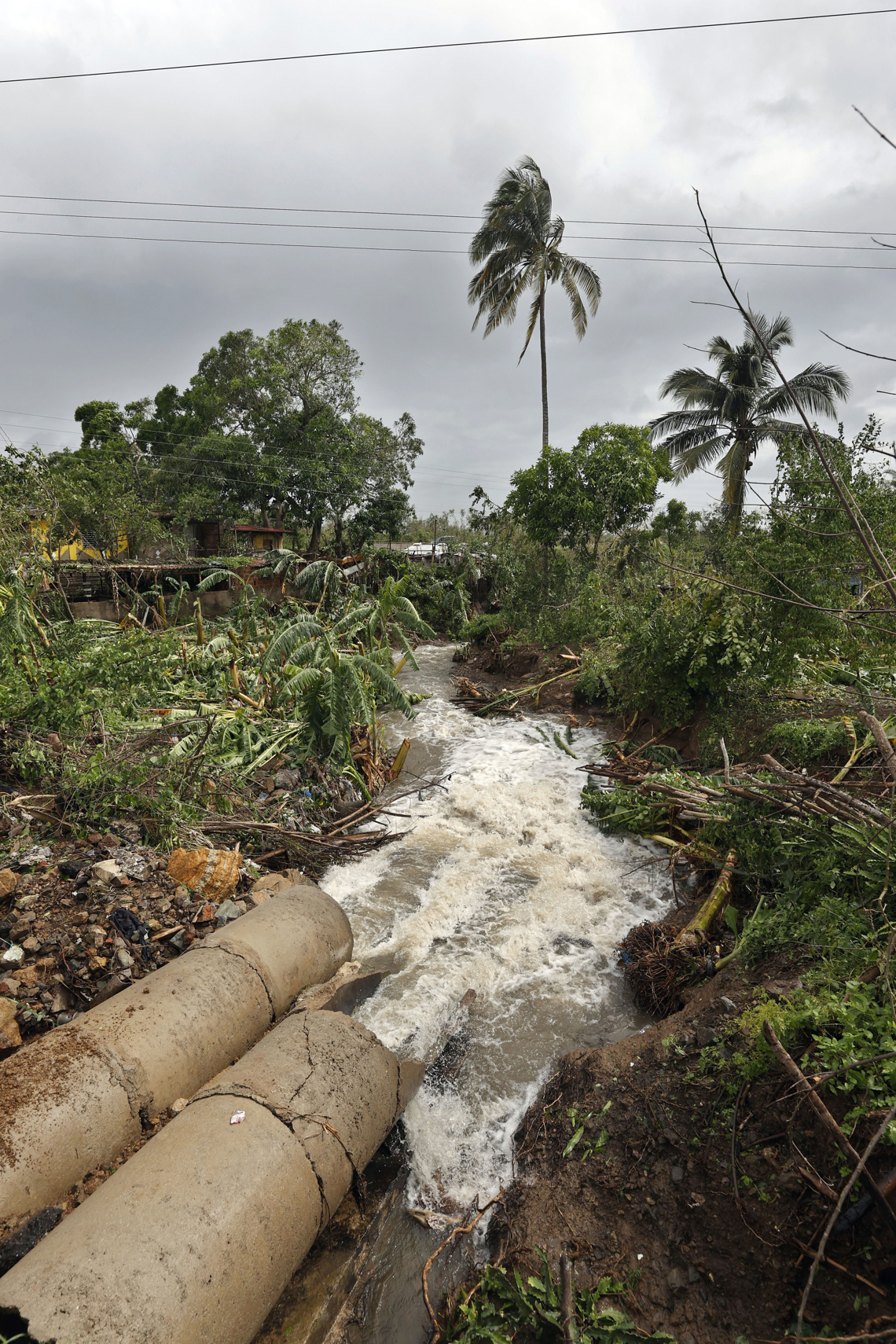
Floods, floods and landslides
Melissa left Cuba after having deteriorated significantly and headed towards the Bahamas, after causing floods, river flooding and landslides in eastern Cuba on Wednesday.
According to the Institute of Meteorology (Insmet), in just fifteen hours Melissa left up to four hundred millimeters of water (or liters per square meter) in six locations, between two hundred and three hundred millimeters in twelve locations and more than one hundred millimeters in 72 locations.
The powerful Hurricane Melissa made landfall in eastern Cuba at 3:10 local time and about seven hours later it left the island through the town of Banes in Holguín.
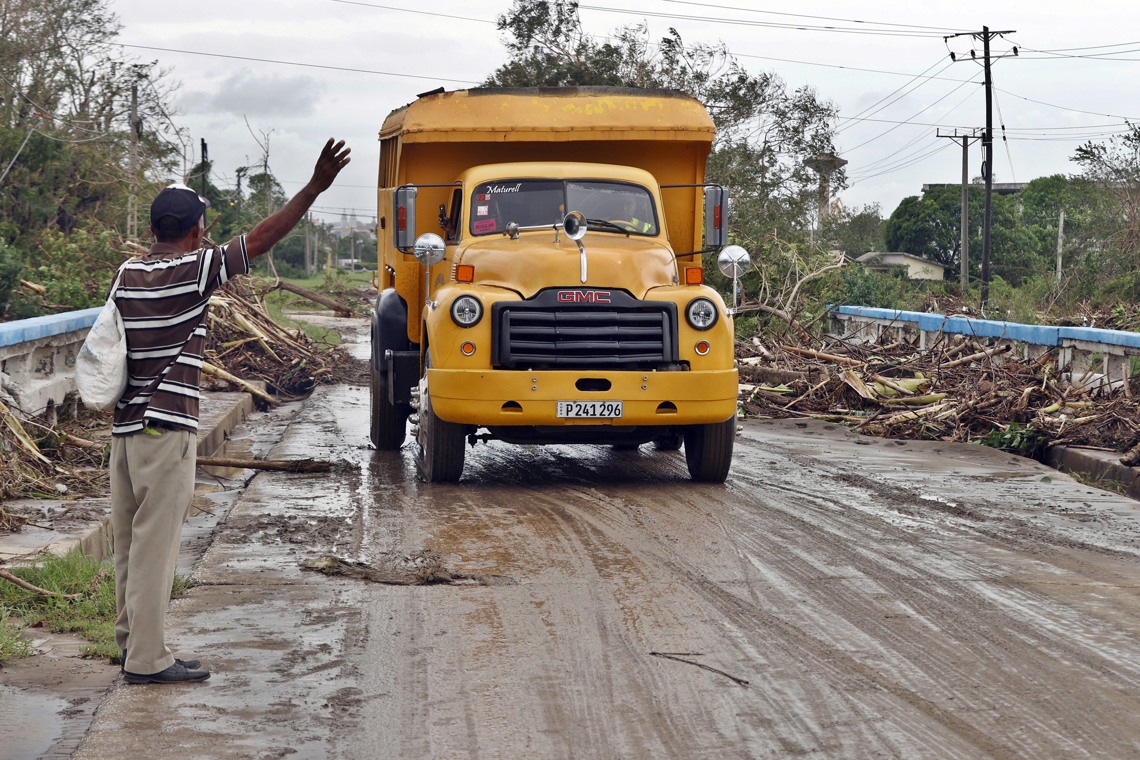
The most recent category 5 hurricane to hit Cuba was Irma in 2017, which left ten dead and damages valued at around thirteen billion dollars (11,147 million euros). Sandy, in 2012, was until today the most recent cyclone that had affected Santiago de Cuba, leaving eleven people dead and severe damage to the city.
Cuban meteorologists warned that the current Atlantic cyclone season, valid from June 1 to November 30, would be “very active,” with up to eight hurricanes.