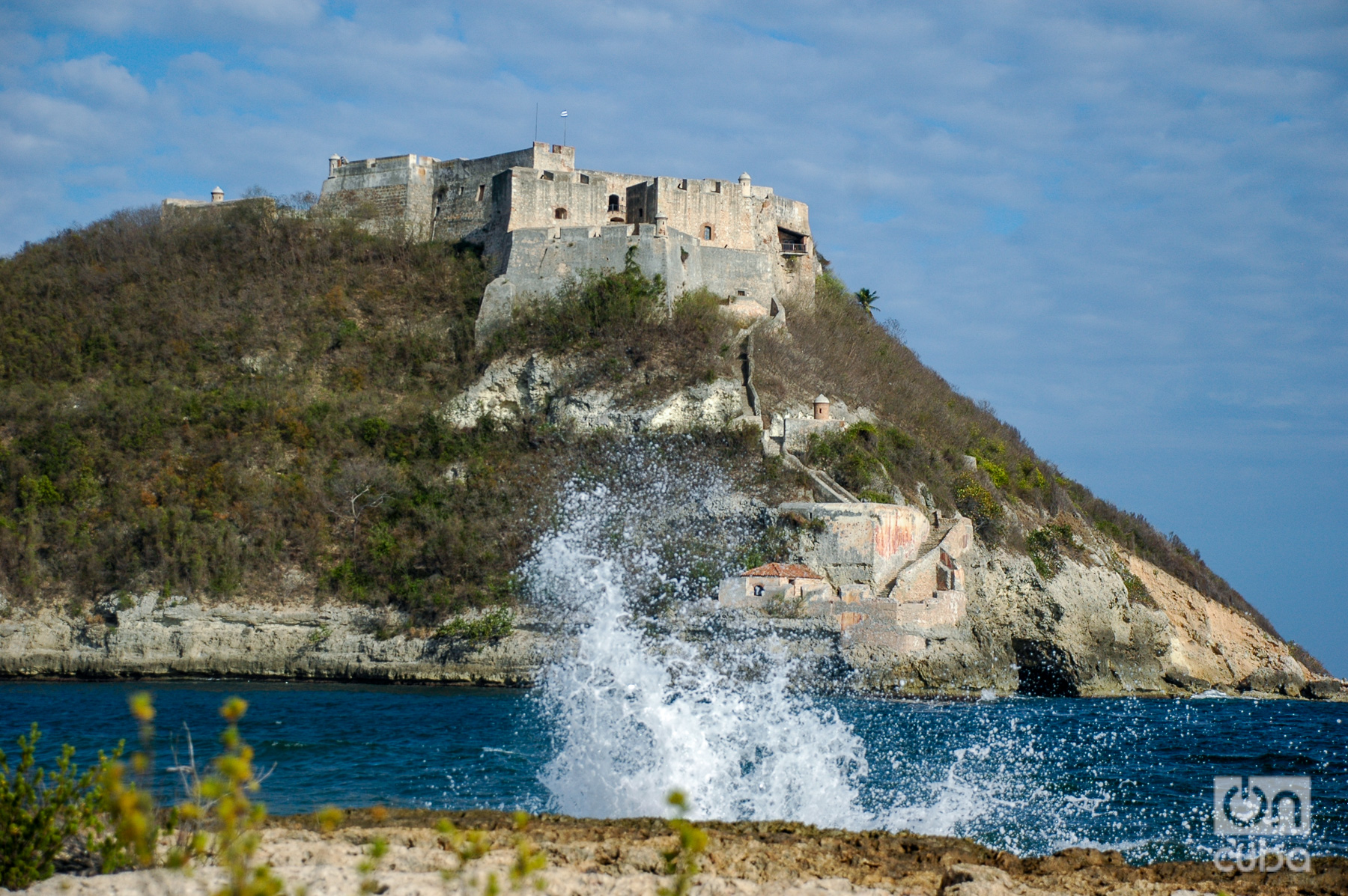
I foreshadow that favorite son called Emilio Bacardí That, in the walk of the times, Santiago de Cuba would be the land of legend that the mothers would tell their little ones. And, without a doubt, Santiago perspires that effluvium of fascinating, legendary, reinvented city; where they intermingle – like a metaphorical ajiaco – nature, history, ethnicity, culture, religiosity and even a pinch of magical realism in the Macondian style.
Although it seems without freedom, amazed between Bartlett’s mysterious pit and the mountain range of the great stone that encloses it as a lock, the town has lived with the laborious and disciplined agitation of a pendulum. Joel James, cultural promoter of obligatory remembrance, observed that Santiago has a spiritual “teluricity” consubstantial to the tectonic palpitation of his soil. The Santiago identity is marked by its peculiar geography and its quasi -genetic tendency to movement.
It is said that it is not Santiago de Corazón who does not have pacemakers for tremors, or lacks a strong will to raise and lower the steep streets with a embarrassing sun that falls like roller stations and elevates “the heat” near the 40 degrees Celsius; or who does not give a rum stick or does not move a foot if the most popular Conga in Cuba sounds.
When the cocuyé is released by the trail, the disheveled and lustful wovers of Wilson who overwhelm in lycra and “Bajichupa” is empowered, as possessed by the Chinese bugle and the drums of their ancestors. Certainly, there is nothing more “telluric.”
That is why Santiago deserved the attachment of “Tierra Caliente”. Also because, beyond partying, noise and relaxing, blood boils in its people, which “does not eat fear”; And because its reliquary of traditions, treasured throughout the injured and unfinished journey of seven generations, made it capital of the Caribbean. Yes, because July is synonymous with fire, carnival, history and anniversary. In Santiago, life begins in July.
THE CROSS OF THE DEVIL
It is worth noting that the Santiago history had its city longs long before the landing of the Spaniards, from the aboriginal cacicazgos of Baitiquirí and Turquino. But what is celebrated annually these days is the entrance, five centuries ago, of modernity. He appeared disguised as sea and evil men. They were the exact reflection of an era in which a human being was worth less than a gold nugget, in which to burn a surrender, it was more dialary than signing an pardon, in which the armies not only warned: they razed.
Did a behíque sensed that the white man had dark and relentless soul until the crime? Or that, in the colonialist mind, killing was to pacify, civilize? The civilization came from the hands of barbarism. The story is not only built with bronze heroes, but also with those shady names that mark, with blood and fire, their time.
Upon discovering a bay protected by mountains that made it exceptional for the coat of vessels in front of the winds, and finding – in order to the port – a site that seemed good to establish people, the very magnificent Don Diego Velázquez de Cuéllar, captain to war and lieutenant governor of the Fernandina Island by orders of the viceroy of the Spanish, Don Diego Colón, Advocation of Santiago Apostle, Santa Patrono de las Españas.
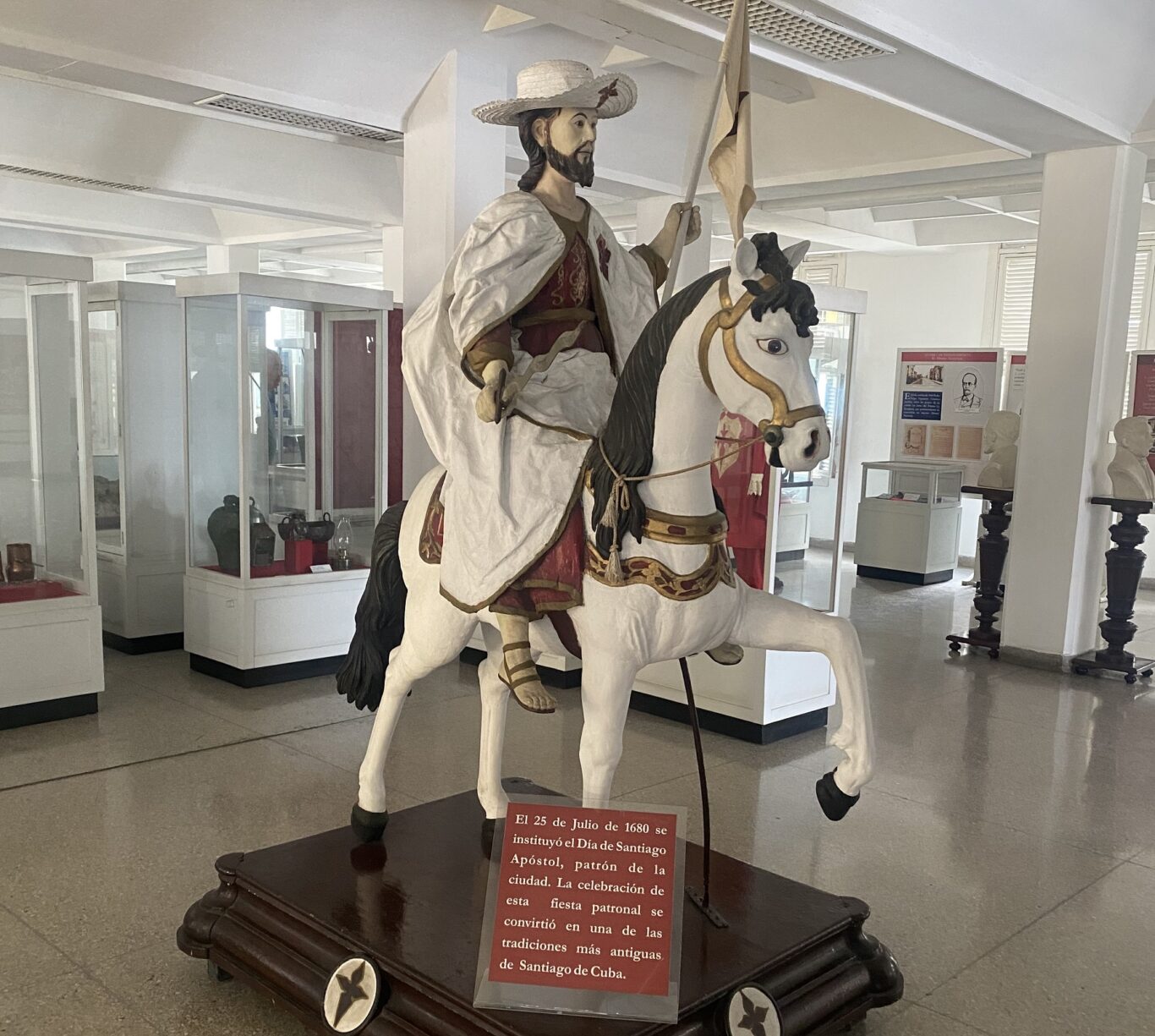
The legend says that the village was born by the mouth of the Paradas River, on the western margins of the long bay, but that a pest of brave ants – which did not respect the helmos and chopped so much the fondillos – forced the intrepid knights to make their trunks and move to a more providential seat at the top of the slope.
In the absence of a document that declares and archaeological evidence – something less and less possible as the port terminal “China” has grown, burying the alleged vestiges -, I assume the criteria of historians who, like the distinguished Morell de Santa Cruz, place the city from the first day in their current coordinates. Say: around the now Céspedes Park, where tourists are hardly seen or the troubadours are enlivened.
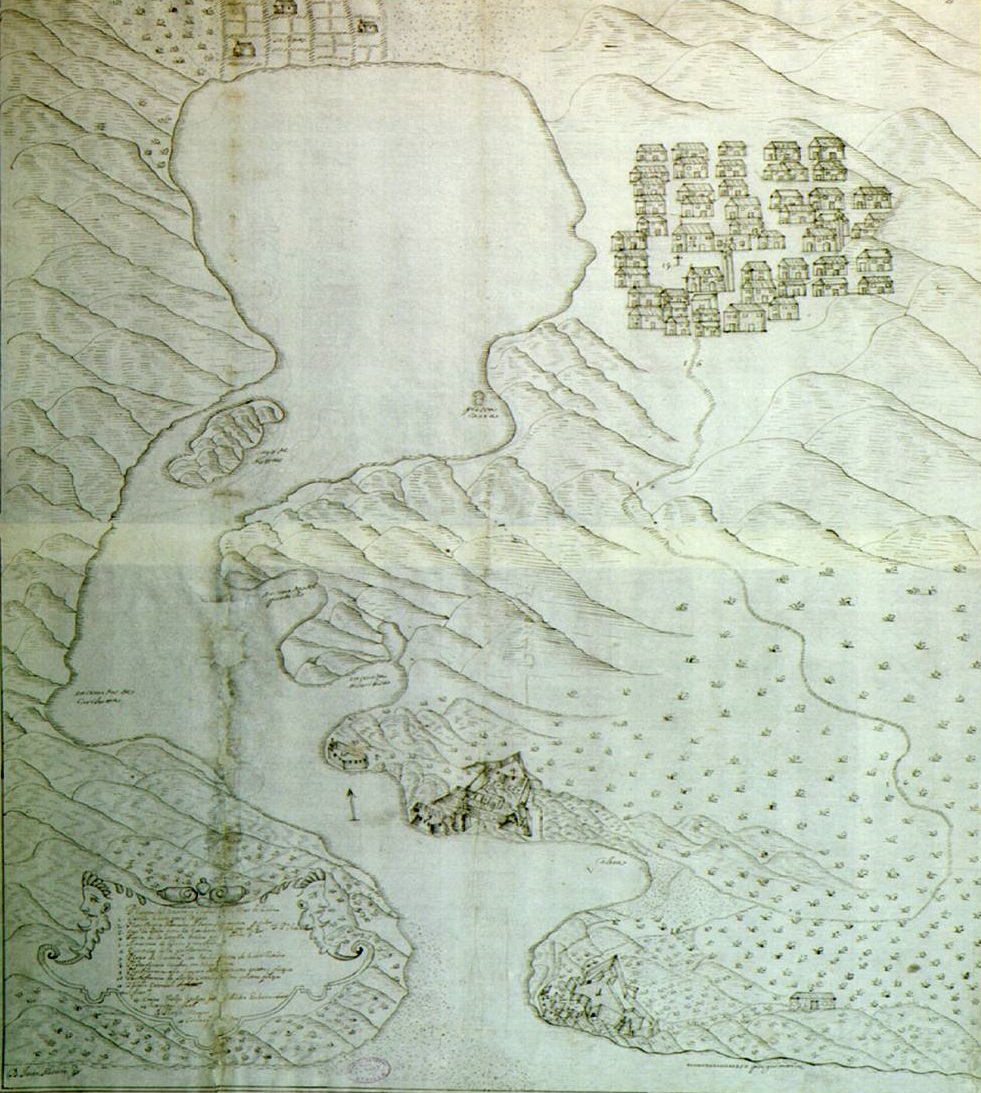
Nor has the lobbying act within Ambarina bottle appeared, nor the scrolls consulted provide superior data to the well -known letter of relationship of Diego Velázquez, of August 1, 1515, the opening date of Santiago is sneaked between the same darkness that surrounded the primitive settlers.
As studies of distinguished historians have settled – among which Fernando Portuondo, Hortensia Pichardo, Leocesar Miranda, Rafael Duharte and Olga Portuondo – the foundation must occur in the summer of 1515. Although the most accepted date – I would say “accommodated”, given its employer symbolism – it has been on July 25.
New World Matrix
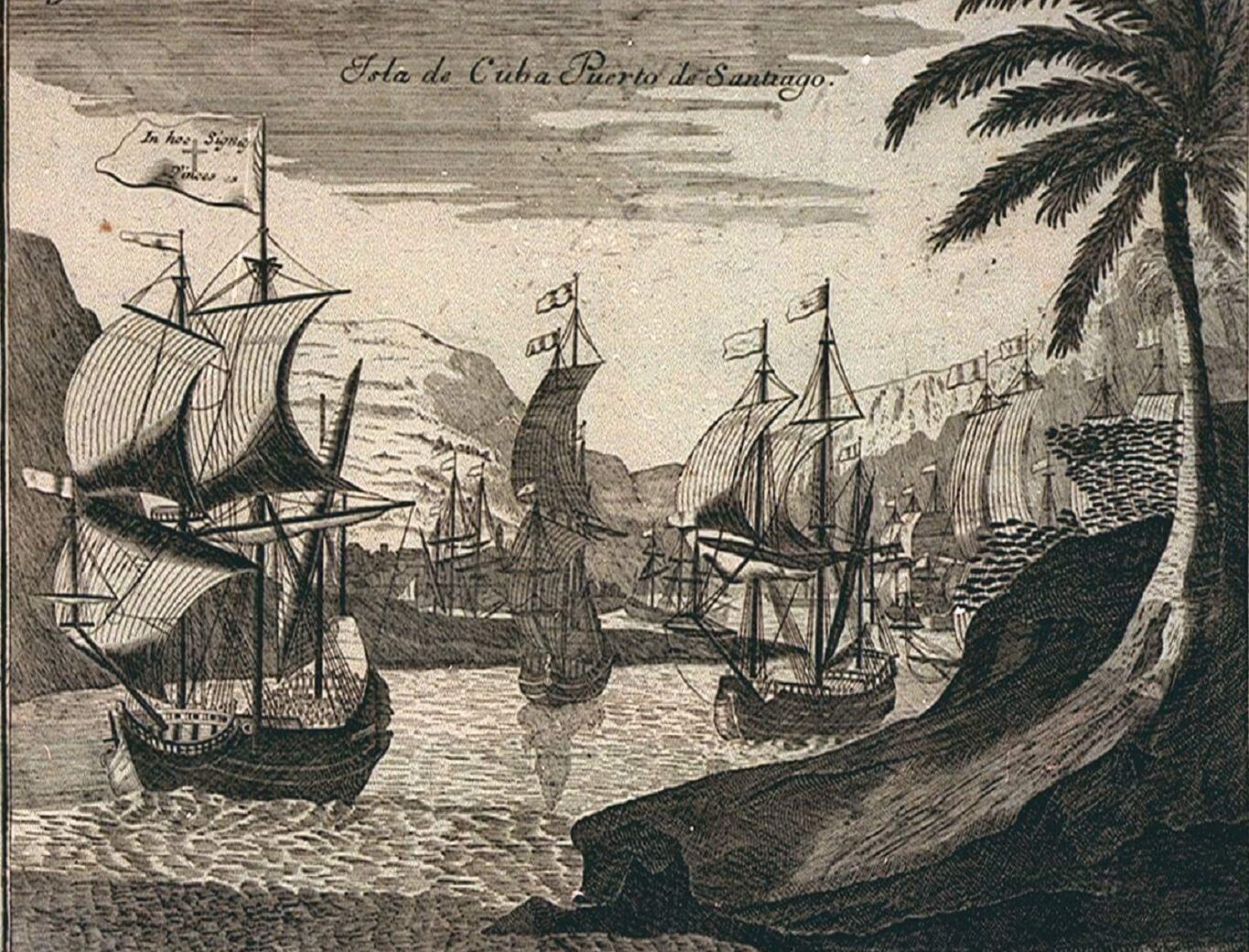
The truth is that the advance decided to fix his residence in Santiago, erected with lime and song, unlike the others, which were Bohíos de Guano and Tables. Between scandals, complaints and rates, the colonizers dedicated themselves to living from the Indians exploited in the gold laundries and the parcels, before transforming the town into a dock for new expeditions.
Indeed, Santiago was matrix of cities and nations; Here the conquest of the mainland was forged. Neighbors of the Villa were the main founders of America: the famous Hernán Cortés, Francisco Hernández de Córdoba, Juan de Grijalva, Francisco de Montejo, Gonzalo Núño de Guzmán, Amador de Lares, Pedro de Barba, Cristóbal de Olid, Bernardino Velázquez, Diego de Ordaz, Manuel de Rojas, Pánfilo de Narváez, Los Hermanos Pedro, Gonzalo and Juan de Alvarado León, among others.
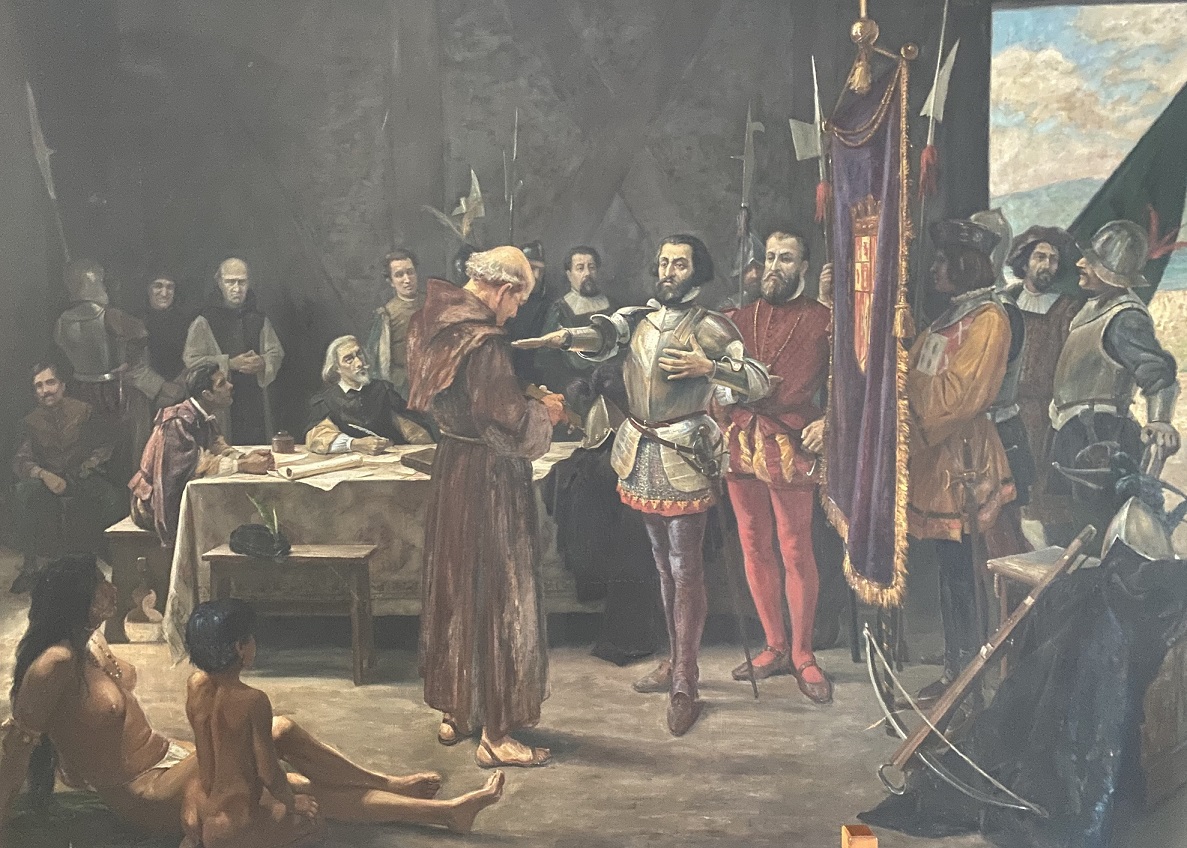
Those games, the exhaustion of gold and the mutilation of the native population – converted in Paria in the hamlets of San Luis de los Caneyes and Jiguaní – made the village be depopulated. Interestingly, when there were hardly about 30 inhabitants, the crown granted the city status to the city.
Touched by his excellent Majestad, Santiago fulfilled the capital role of Cuba until 1607, when it was displaced by the Havana of the Treasury Route. This dispossession of his “minute of glory” would not be forgiven by the local Hatera oligarchy, which took him as a capital humiliation. Do not hesitate: from that remote incident comes the “different” between Santiago and Havaneros. To pass the hand to the place ravaged by earthquakes and pirate attacks, a century after King Felipe V rewarded her again, this time with the title of very noble and very loyal.
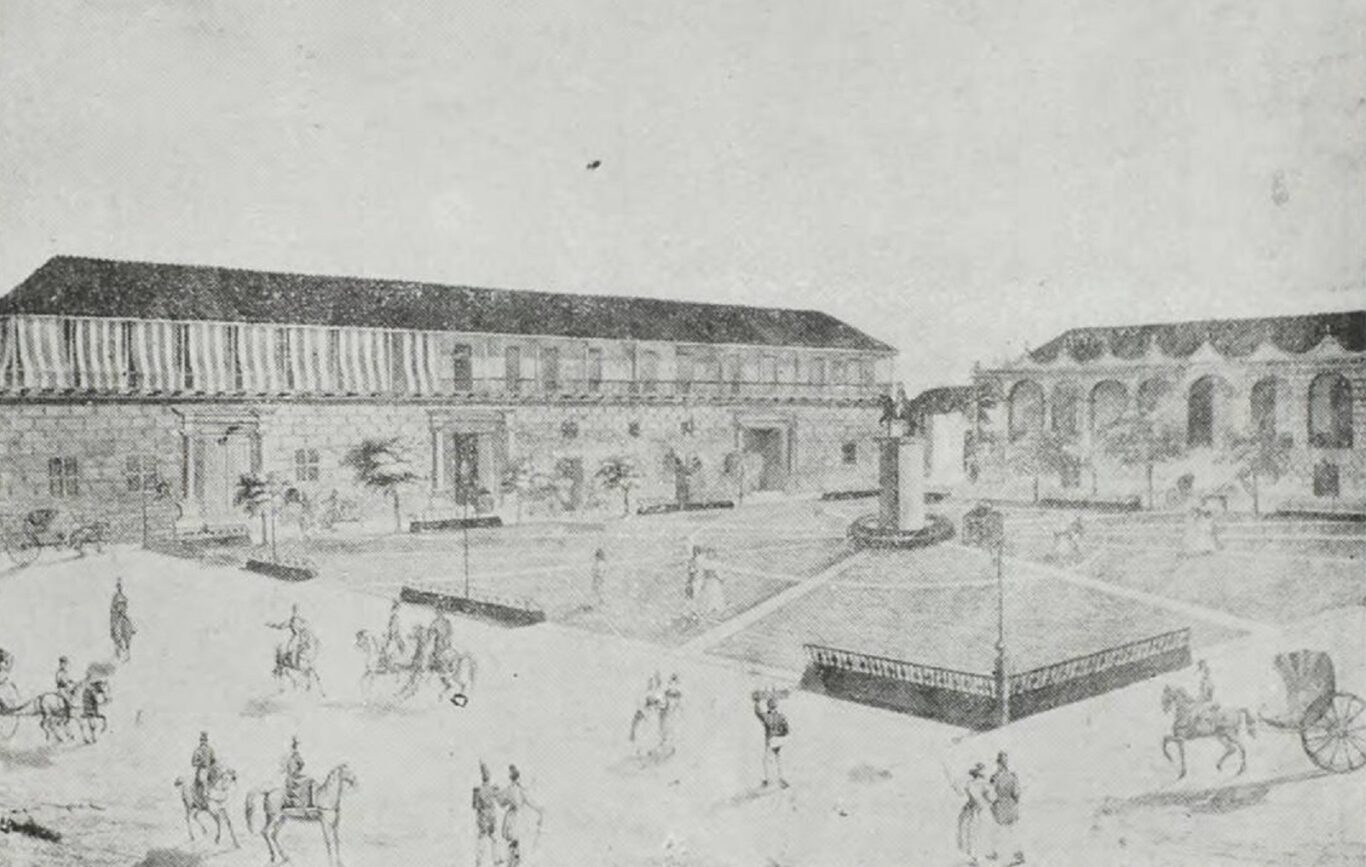
At nine months that Velázquez and his hosts love the Indies, lighting the first generation of Santiago and, with them, the door for acriolloam was open. Among those first mestizos, in identity crisis – for being a aboriginal mother tyrannized by the Spanish father – the names of Catalina Pizarro, daughter of Hernán Cortés, who was taken to Mexico when her father burned the ships; and Miguel Velázquez, who, after studying in Seville, returned to teach grammar and tañer the organ in the cathedral in the mid -16th century.
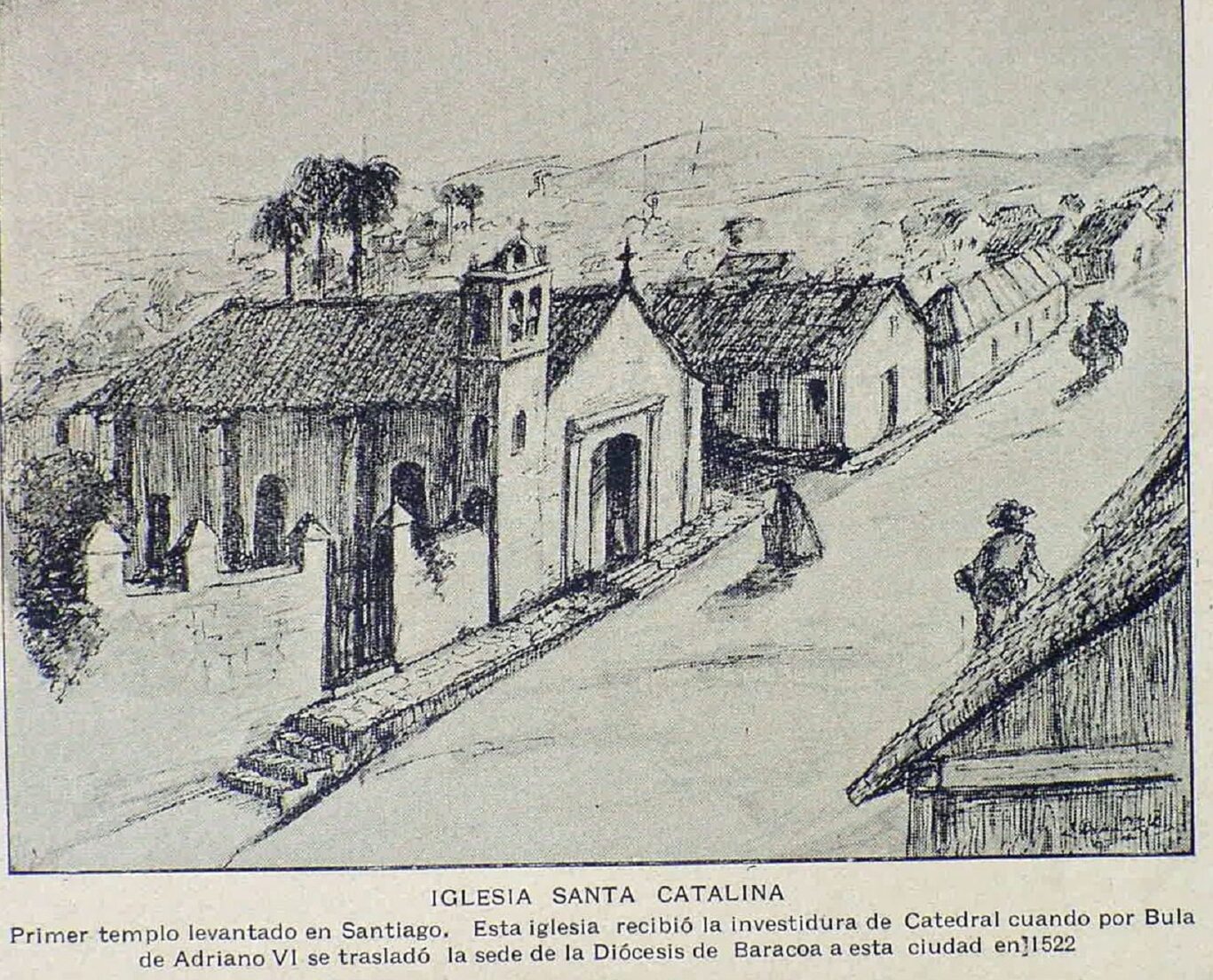
For 1522, the thriving encomenderos elite achieved the transfer of the Cathedral headquarters from the primacy of Baracoa to Santiago, and the small hermitage of Santa Catalina – deprived in 1526 by a terrible fire that made the town a coal – became a cathedral with Bishop Juan de Witte in the pulpit. That same year a ship entered a ship with 300 buzales, which brought their idiosyncrasy and orishas as the only luggage. These deities Cimarronas incubated with Cemíes and Catholic gods in such syncretism, that today some Santiagueros have the sacred heart in the room, but they will consult their luck in front of an altar of coconuts and snails.
Indomitable character
Orient of this terroir were more than 30 generals of the independence wars. Heredia’s poetry paid the national soul; With his horizon of political ideas, the pedagogue Juan Bautista Sagarra transformed golden youth into fervent; Mariana Grajales offered Belic Titans; And with Maceo’s impetus, the regionalist notion jumped to Patria Grande.
At the dawn of the twentieth century, Santiago was an epicenter of the end of one empire and the birth of another. He had his modern architect in Bacardi mayor, who, in governance matters, has not been overcome. If perhaps, the one that resembles the most is exposós, for the love that the people professed and for coinciding with the cardinal principles of that precursor: “ruler is to be the servant of the people and not the master”, and “in the union of all lies the best guarantee of the future.”
In confirmation of his destiny, Santiago de Cuba keeps the ashes of the founding fathers of the nation in his entrails. It is a brave and rebel land, where the epic of Moncada and November 30 function as slogans.
Hospital and generous capital, where a little prieta sugar is still “lending” among neighbors to sweeten a coffee “colla”, even knowing that it has no return and that in months it will not arrive through the winery.
Science and Consciousness Center, where you run with an eminent teacher selling plastic in the “Candonga”, a doctor distributing “outside” parcel Capital.
“It’s Santiago de Cuba, don’t be amazed at anything,” he settled, inspired, Navarro Luna.
They are from the hill
If you find any stone
that has not been thrown against the enemy,
If you discover a street where it has not passed
Never a hero,
If from the Tivolí the sea is not seen,
If there is any window
that has never opened to guitars,
If you don’t find any open door,
You can say then that Santiago does not exist.
Waldo Leyva wrote “For a definition of the city. ”
“Santiago, Cuna and Pan,” Pedro Luis Ferrer sang. Because it is also poetic, musical, artistic, polychrome city. Cuna del Son and Bolero, Casa de la Trova Traditional, where bohemia was armed in any corner with the guitars of the Matamoros, Ñico Saquito, Sindo Garay or Compay Segundo.
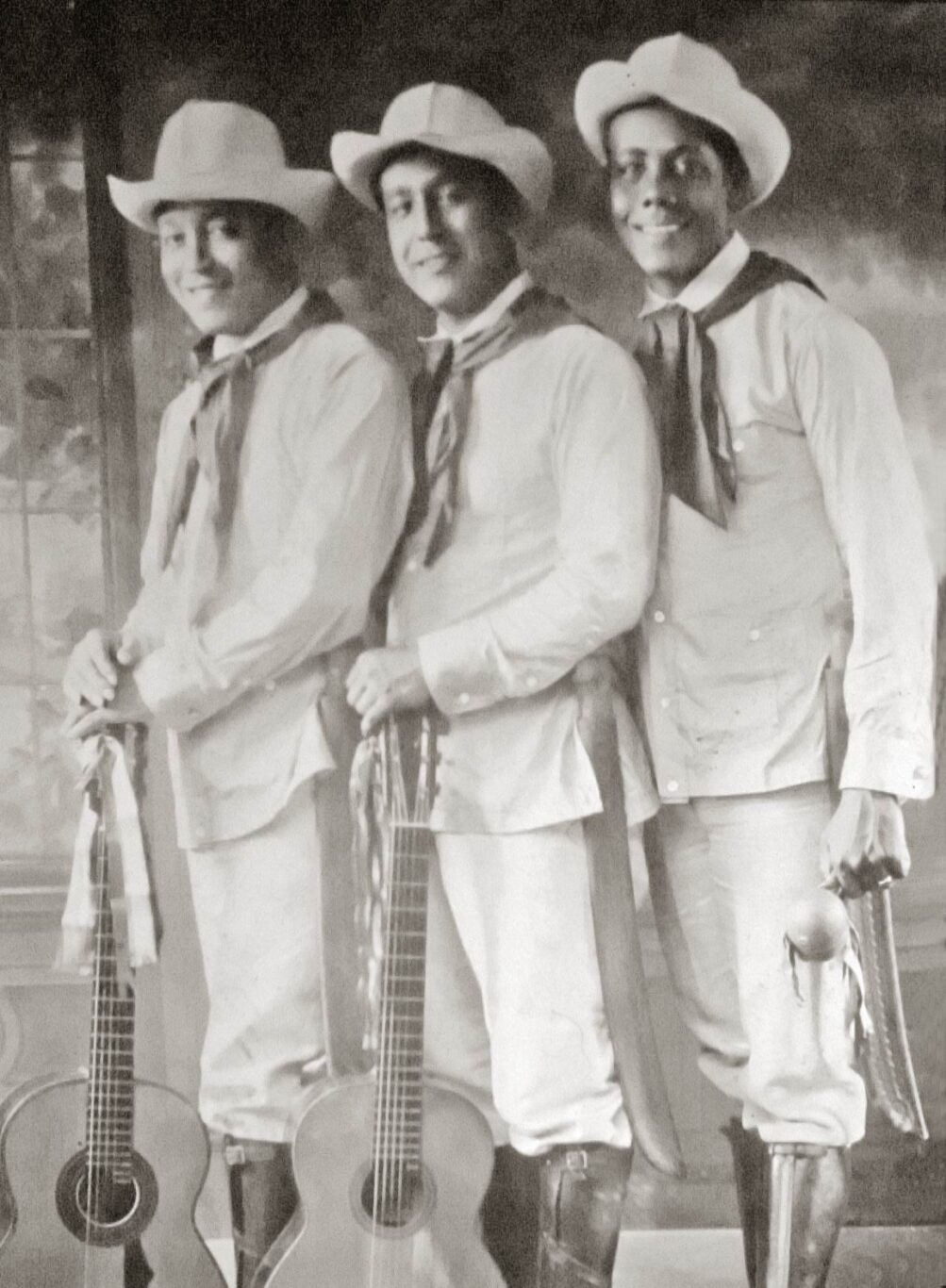
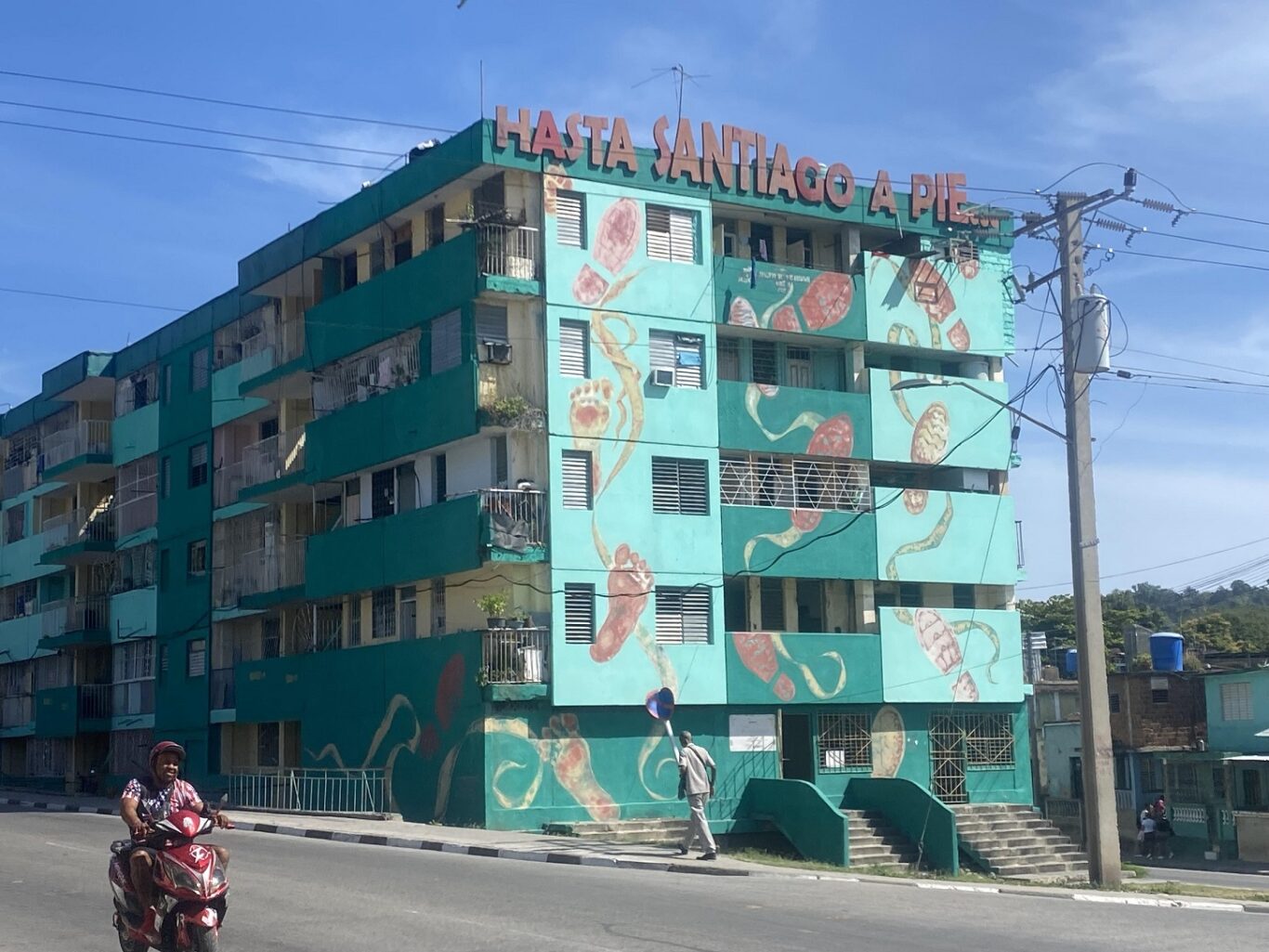
Some like to teach with that the Santiagueros are “Palestinians”, say “Nagüe” and speak “singing.” “Yes, and what?” They riposan these with the fighter tone of who takes things too much to chest, “but you define.” They are from the hill.
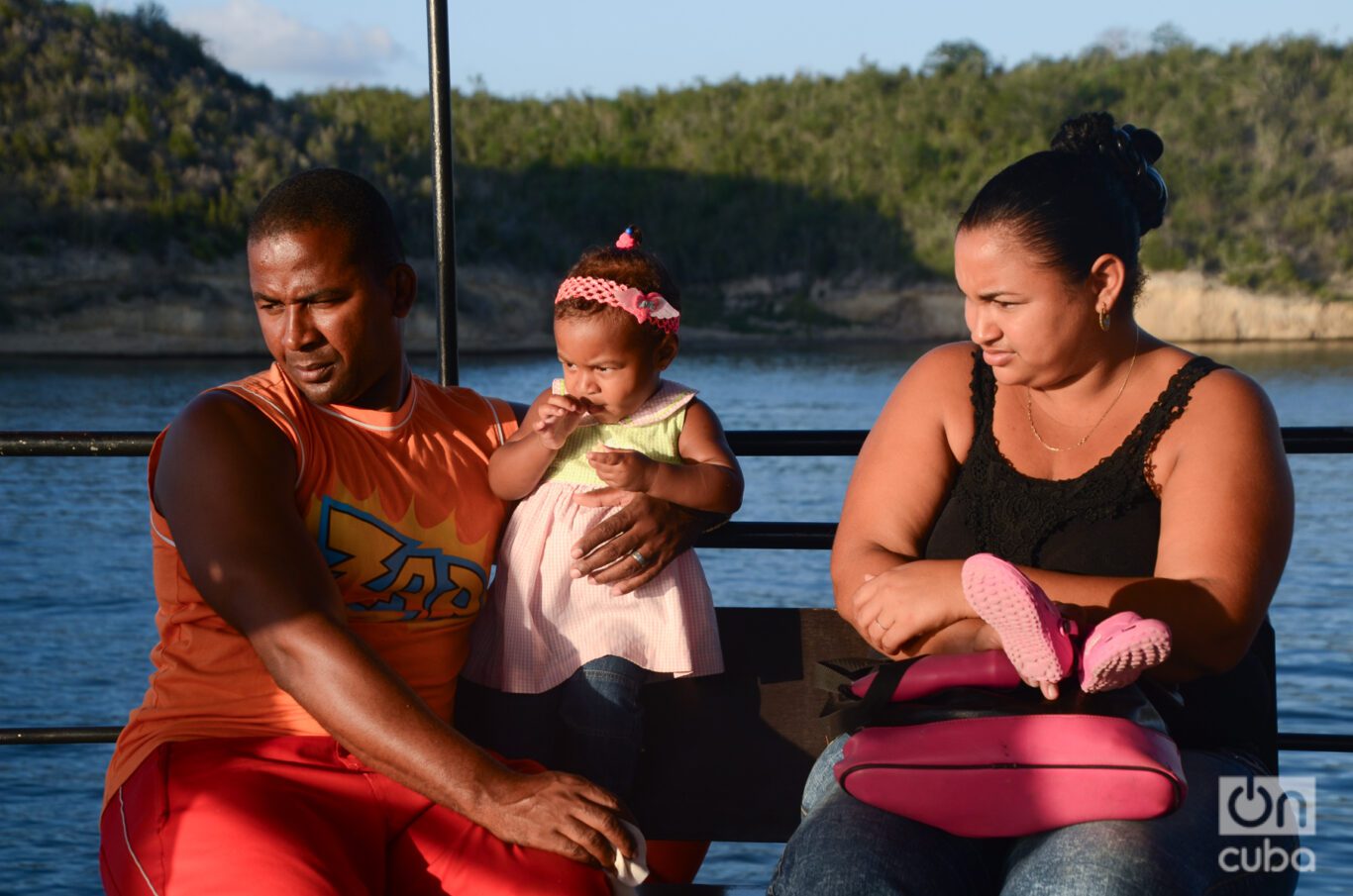
In front of the mirror of his bay, 510 years later, his archetypal corporeality seems roaed by the centuries, shadows and pessimism. But, in itself, the soul of the city is the people who inhabits it: from the district to chicharrones, from the Salao to the Alameda. Santiago continues in times of change. It seems that great works take their time.
Knowing how to interpret the lessons of the past is the ideal way to safeguard and project the future-as Professor Duharte said, in his appropriation of the carpenterian adage-the real-marvying Santiaguero.