The district Santa Rosa de LoretoMariscal Ramón Castilla province, is located in the last corner of the country, in front of the banks of the Amazon River, on the triple border between Peru, Colombia and Brazil. Includes the Chinería Island And his heart is the Santa Rosa people, formerly called Santa Rosa de Yavarí Island. It has almost 3 thousand patriots who made a difficult decision: to love in oblivion, at a distance and without receiving almost anything in exchange for the State.
Its neighbors in Leticia (Colombia) and Tabatinga (Brazil) They have airport, health services, education and transport. Instead, in Santa Rosa there is no infrastructure, port or air terminal. It can only be reached by river. His only connection to Peru is the Amazonthrough narrow and fragile bridges built by the river carriers themselves.
You can see: “Santa Rosa is from Peru”: Colombians in Leticia disagree with Gustavo Petro
The closest modernity reference is Iquitos, the representative district of the province of Maynas, in the Loreto region. From there it is navigated almost 15 hours and the passage costs between 100 and 120 soles in fast or ferry, two types of boats.
Balsistas that connect three countries
In Santa Rosa, to survive, most use the public services of the neighbors Tabatinga either Leticia. In addition, the local economy basically depends on riverside trade, fishing and river exchange with these cities.
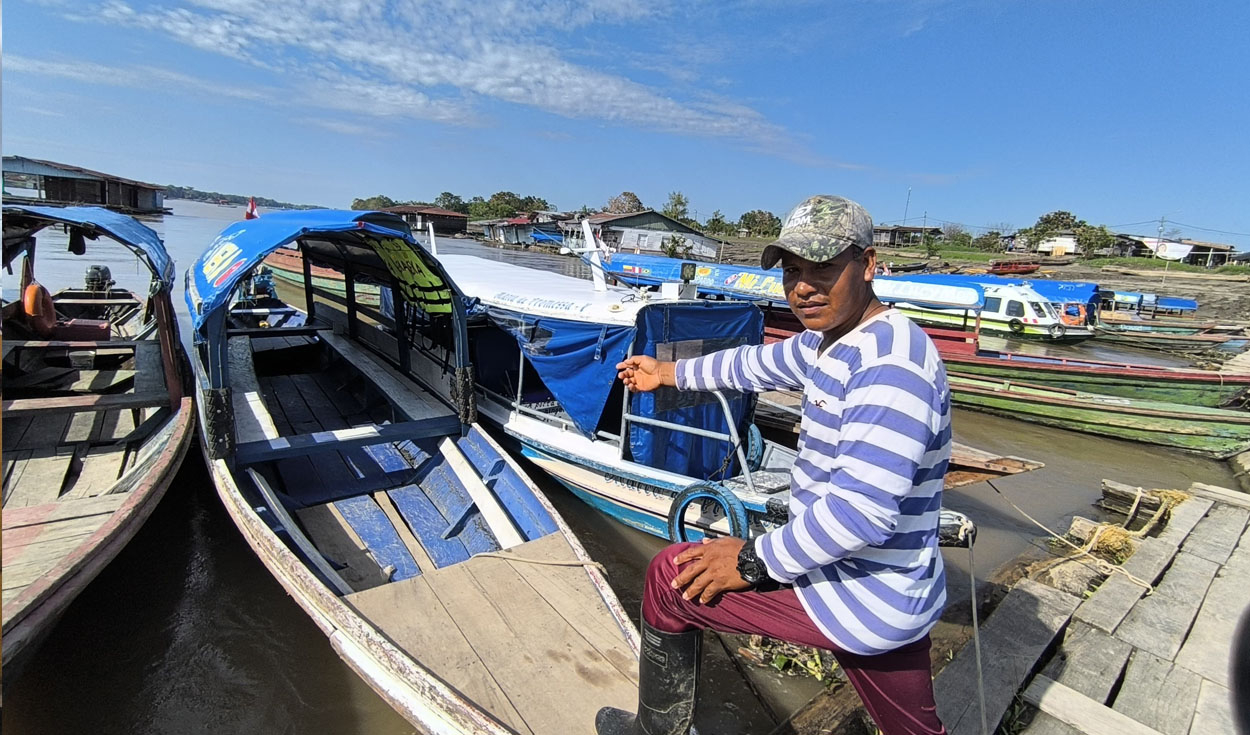
In five minutes they cross from country to boats. The ticket is worth 10 Peruvian soles, 10 thousand Colombian pesos or 10 Brazilian reais. From six in the morning, carriers carry students, housewives and merchants.
“The boats we transport have roofs, vests and are painted,” said Samuel Díaz, a river carrier that has been on the triple border for years. “We comply with everything: first aid kit and order documentation for border control,” he adds.
Its boat also has a Peruvian flag. It is the symbol with which they reaffirm their nationalism: “Santa Rosa is Peru”he responds proudly.
On the shore of the Amazon, on the Peruvian side, there is a stick that acts as a mast and holds a flag. Rustic, but exciting, emotional. It is what everyone sees when they arrive. Then, at the entrance to the town appears a welcome arch painted red and white.
The main track is people’s work. It was made by the Mototaxist Association. “This is how it survives here, with ingenuity and effort among all,” Samuel exclaims.
Precarious health and births to the edge of the possible
The Health Center, called Ipress 1-3 Santa Rosa, is the only one throughout the district and shows, there are missing equipment, medicines and personal. However, workers’ commitment is admirable. Liliana Rivera, nurse, said they do everything humanly as possible. “We have to give them attention, it is our mission,” he said.
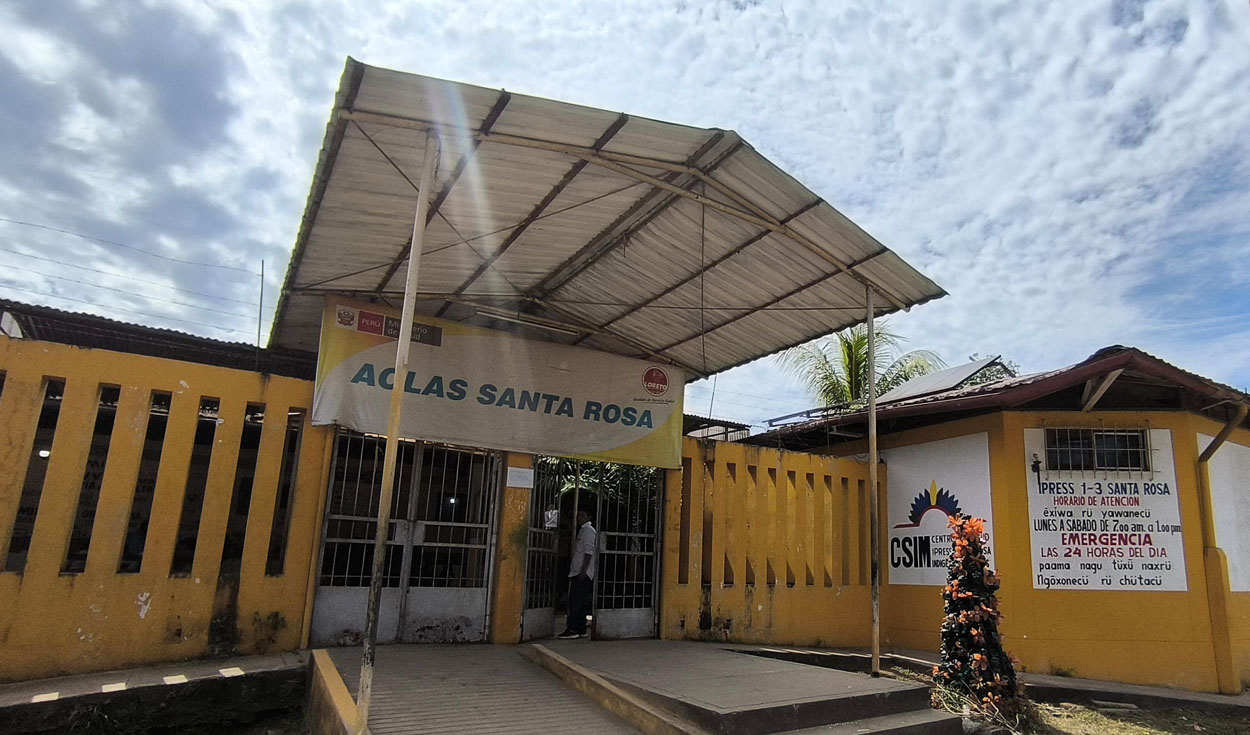
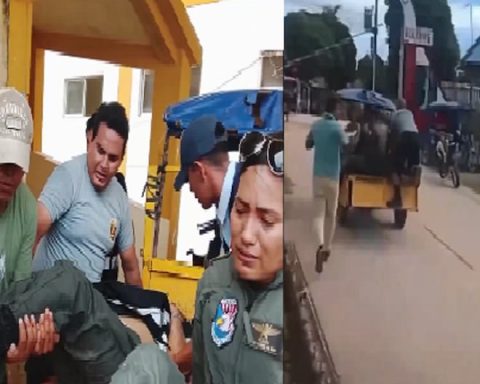
The truth is that, for example, obstetric emergencies are referred to Tabatinga. “When the birth room collapses, they cross the border to give birth.”
However, the medical staff has adapted to the shortcomings. An obstetrician explains that they have prepared to attend vertical births, especially indigenous women. They have two stretchers for semi -spoken births, a narrow bank of less than one meter and two metal rings on the wall so that mothers can sustain themselves while giving birth. “We adapt to their culture and also to our limitations,” says the specialist.
“We need implements in the area of Medicine and Pharmacy, nurses and grow more,” claims Joel Armas, a general medicine patient.
Insufficient educational service
Education is also a debt. In Santa Rosa there is only one school that provides initial, primary and secondary, although the quality of the service is not optimal. Therefore, a mother tells us that her eldest daughter studies there, but decided to send her youngest son to Tabatinga. “You have to look for a future for children. I have one there and another here. In addition, the Portuguese can also learn a bit,” he said.
Mayita Rodríguez, another neighbor, on the other hand, more for faith and patriotism, prefers that her children do not go to schools from other countries. His daughter studies at the People’s squad. “In my case I would like my children to study all their education here because I am Peruvian,” he said.
Surveillance is basic
In security issues, the panorama is also limited. Police surveillance is minimal. There are rustic and others of noble material, but with very little personal. It should be noted that, although there is harmony between Tabatinga, Leticia and Santa Rosa, being border, illegal activities subsist as drug trafficking and smuggling.
Fragile economy
Santa Rosa does not have a supply center, which forces families to buy in Leticia or Tabatinga. However, several neighbors denounced that, on the return journey, Peruvian military of border control retain or seize the products acquired because many have no vouchers. Even during a civic action in Santa Rosa, a villager rebuked it to Prime Minister Eduardo Arana.
In practice, Peruvian soles almost do not circulate in Santa Rosa. The Brazilian real is more accepted money, which makes purchases more expensive if paid in soles.
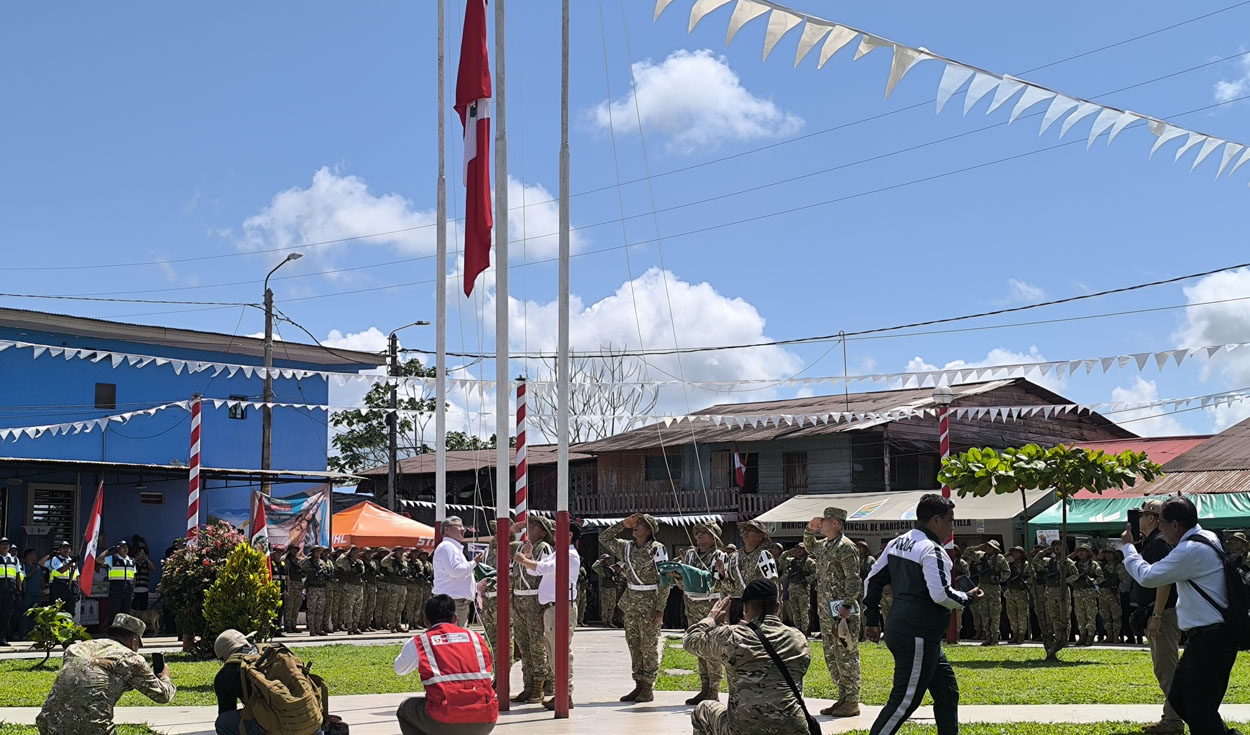
In the midst of this difficult reality, the echo of the diplomatic tension generated on August 7 persists, when, during his visit to Leticia, the president of Colombia, Gustavo PetroHe reaffirmed that he did not recognize the sovereignty of Peru over Santa Rosa.
Testimonies in both countries
Peruvians of this land forget about any lack and have only one answer: “Santa Rosa is Peru and defends itself to the end,” as Claudio Rodríguez summarized, one of the inhabitants.
Even in Leticia, Colombia, the Republic verified that the majority of citizens do not support Petro’s position and indicated that he seeks to divert attention from the mining and peasant strike that his country faces, in addition to investigations against him, in his last year of management.
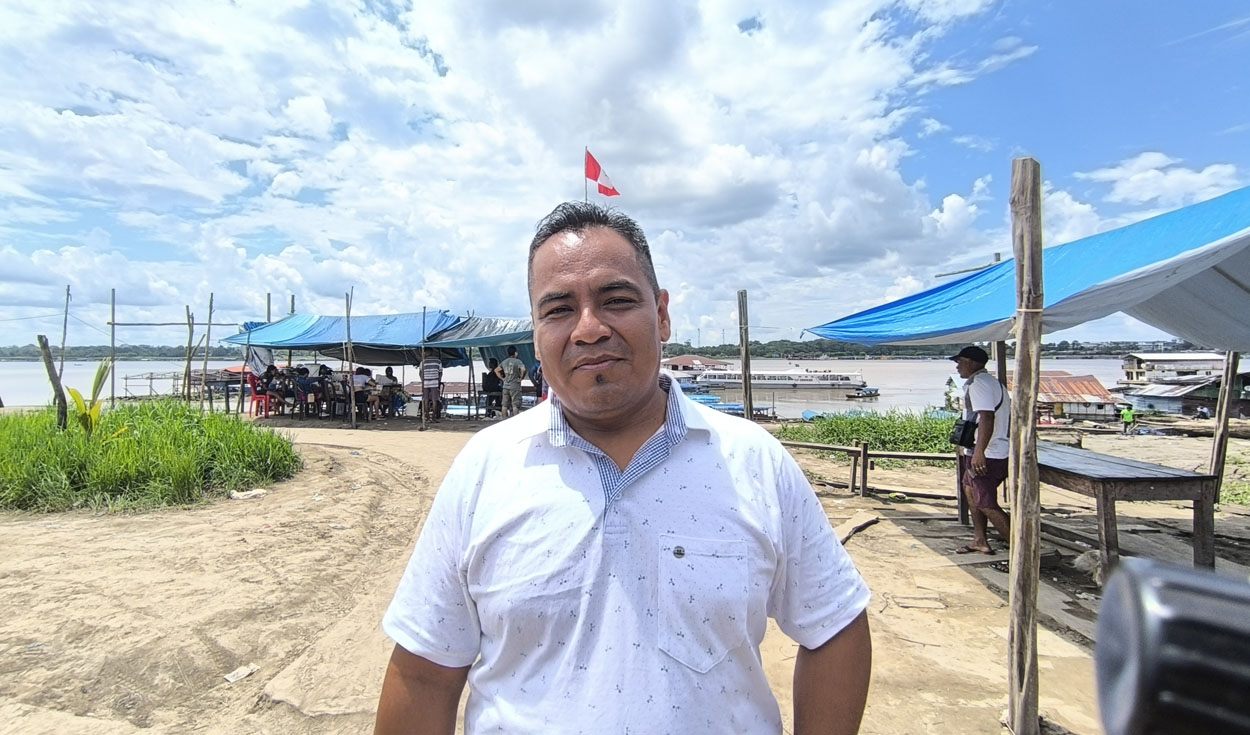
“I am Colombian, but you have to respect the previous limits, obviously Santa Rosa is from Peru,” said Víctor Aguilera. “Since I was born I have always considered that Santa Rosa is from Peru,” said Raúl Flores. “For me and all Leticos, Santa Rosa has always been from Peru,” said Priscilla Bora.
Santa Rosa de Loreto is the portrait of the neglect of regional and central authorities. However, it is also a symbol of patriotism. His Peruvian identity does not need diplomatic speeches from abroad or eventual visits from authorities. Its inhabitants cross borders to study, work and buy. Not only do they carry the flag of Peru in their boats, but hope and faith in the heart.