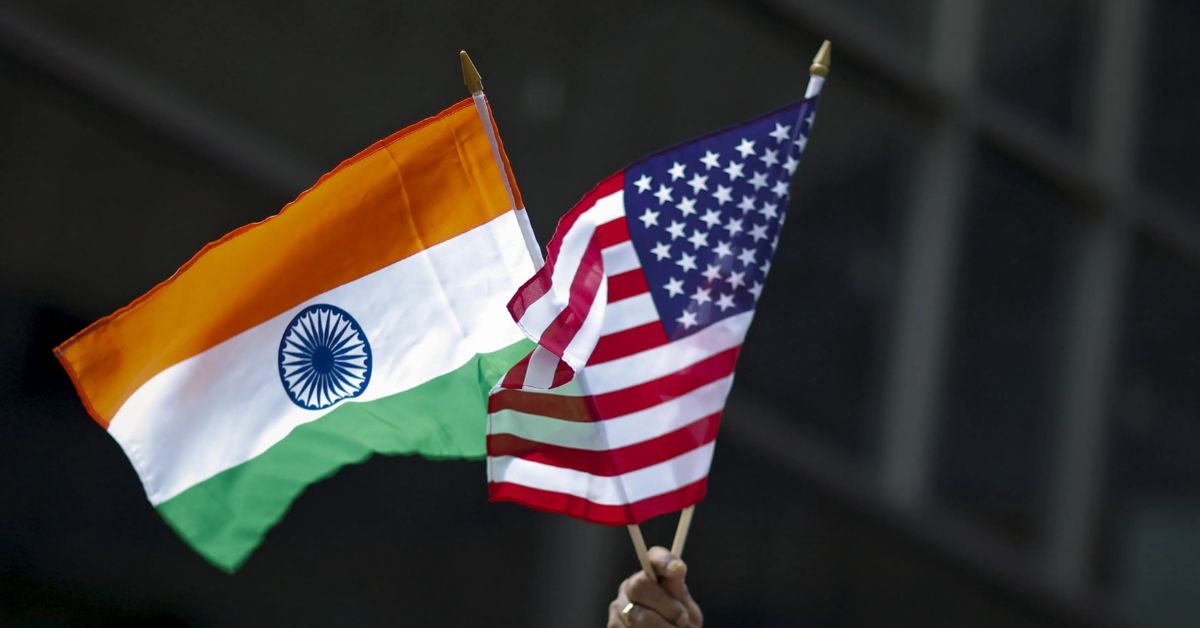
The United States and India moved closer to a trade agreement on Friday, releasing a provisional framework that would reduce tariffs, redefine energy relations, and deepen economic cooperation as the two countries seek to restructure global supply chains.
The framework reaffirms the commitment to negotiating a broader bilateral trade agreement, the two governments said in a joint statement, while highlighting that further negotiations were needed to finalize the deal.
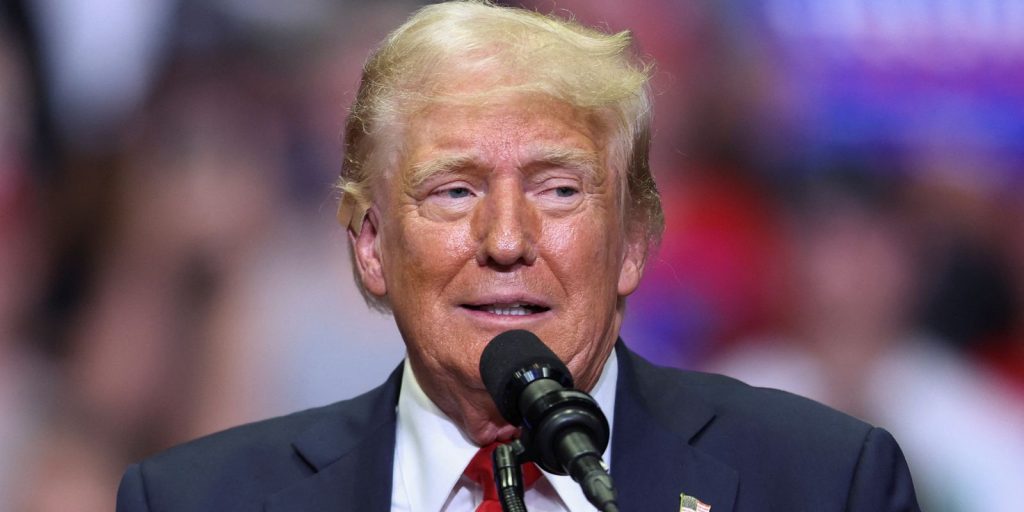
Also, US President Donald Trump, by executive order, suspended the additional 25% tariffs on Indian goods for purchases of Russian oil. New Delhi had “committed to ceasing all direct and indirect imports” of Russian oil, shifting its oil purchases to the United States and Venezuela.
However, the executive order states that US officials will monitor the situation and recommend reinstating tariffs if India resumes oil purchases from Russia. Washington continues to pressure India to limit its energy ties with Moscow.
The joint Indo-American declaration does not mention India’s purchases of Russian oil or India’s official commitment to confirm this decision.
On Monday, Donald Trump announced an agreement with India to reduce US tariffs on Indian goods from 50% to 18% in exchange for India halting its purchases of Russian oil and reducing trade barriers. Half of the 50% tariff had been imposed separately by Trump to punish India for buying Russian oil, which he claimed was fueling Moscow’s war effort in Ukraine.
New Delhi, however, is resisting pressure from Washington to open its agricultural market fully.
Indian Trade Minister Piyush Goyal stated in a social media post that the agreement protects farmers’ interests and the livelihoods of rural populations by “fully safeguarding sensitive agricultural and dairy products.”
India’s opposition Congress party, however, said the trade deal was made mainly on US terms and that it harmed farmers and traders, calling it a pact that undermines national interests.
New details on pricing conditions
The joint statement released Friday provides further details beyond the initial outline of the trade agreement revealed Monday by Donald Trump. It confirms that India will purchase $500 billion in US products over five years, including oil, gas, coking coal, aircraft and aircraft parts, precious metals, and technology products. This last category includes graphics processing units (GPUs), typically used for artificial intelligence applications, as well as other data center products.
It stipulates that India will eliminate or reduce tariffs on all US industrial products and a wide range of US food and agricultural products, including dried distillers’ grains and red sorghum for animal feed, nuts, fresh and processed fruits, soybean oil, wine, and spirits.
The United States maintains an 18% tariff.
But the agreement will apply an 18% tariff to most imports from India to the United States, including textiles and clothing, leather and footwear, plastics and rubber, organic chemicals, home decor, handicrafts, and specific machinery.
India will receive the same tariff relief as other allied countries that have signed trade agreements with the United States on certain aircraft and aircraft parts, and will receive a quota for imports of automotive parts subject to a lower tariff rate, according to the declaration.
Depending on the results of the Trump administration’s tariff investigation into pharmaceuticals and their ingredients, “India will benefit from the negotiated outcomes of generic drugs and their ingredients,” the statement said.
Piyush Goyal hailed the framework agreement as opening up a market worth $30 trillion – the annual GDP of the United States – to Indian exporters, especially farmers, fishermen, and micro, small, and medium-sized enterprises.
New Delhi protects its agriculture.
India has also agreed to address long-standing non-tariff barriers to imports of agricultural products, medical devices, and communications equipment, with negotiations expected to conclude within six months, leading to an agreement to accept US or international safety and certification standards for product imports.
The United States affirmed its intention to consider India’s requests to reduce tariffs on Indian goods during the upcoming negotiations of the bilateral trade agreement. The two sides also agreed to cooperate on controlling exports of sensitive technologies and to take measures to combat “non-trade policies of third parties,” a reference to China.
The United States and India have worked for years to reach a comprehensive trade agreement, but disputes remain over agriculture, digital trade, medical devices, and market access.
However, according to officials from both countries, strategic concerns, including competition with China, supply chain diversification, and energy security, have given the negotiations a new sense of urgency.