In an interview with the Russian state agency TASS, Russian Deputy Foreign Minister Sergei Ryabkov called the detention of Maduro and Flores a “flagrant” violation of international law.
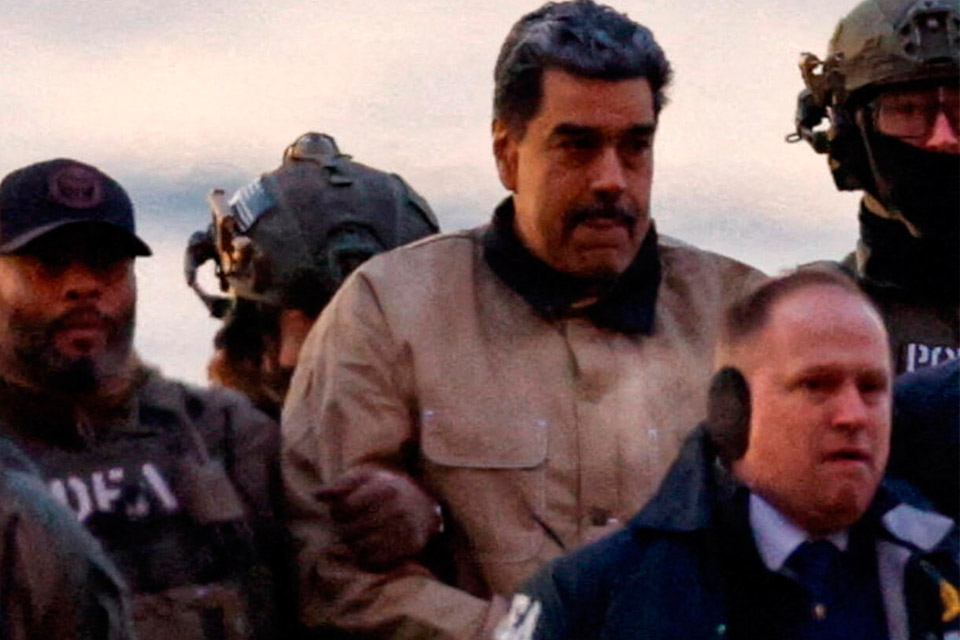
The Russian government publicly referred for the first time to the possibility of offering political asylum to Nicolás Maduro, after his capture in a United States military operation on January 3 in Caracas, and urged the US Executive to release him along with his wife, Cilia Flores, international media reported.
In an interview with the Russian state agency TASS, Russian Deputy Foreign Minister Sergei Ryabkov called the detention of Maduro and Flores a “flagrant” violation of international law and reiterated Moscow’s position in favor of their immediate release. “The first step, without which everything else remains a pure hypothesis, is the release of Maduro and his wife,” said the diplomat.
Asked if Moscow could consider offering political asylum to Maduro once he regains his freedom, Ryabkov did not rule out the possibility, although he clarified that this issue is not on the table at the moment. “What the future arrangement will be is a separate question. And there is simply no reason to talk about it now,” he added.
Russia was one of the first countries to speak out after the US military operation and, since the day of the operation, has demanded the release of Maduro and Flores. Through an official statement, the Russian Foreign Ministry described Washington’s action as an act that violates Venezuelan sovereignty and urged the US government to reconsider its position.
*Read also: Unitary Platform demands the Government publish a detailed list of releases
Russia, Venezuela’s strategic ally in South America, was one of the few foreign governments that recognized its re-election in 2024, despite international criticism about the transparency of the electoral process.
In his statements, Ryabkov also indicated that several countries in Latin America and the Caribbean have joined the demands for the release of Maduro and his wife, although he did not specify which ones. Vladimir Putin has historically defended the principle of non-interference and respect for the sovereignty of States, pillars of Russian foreign policy that have been reflected again in this statement.
This diplomatic turn occurs in the midst of a tense international dispute after the events of January, which have generated mixed reactions between countries in the region and global powers, and put Venezuela’s alliances to the test on the international geopolitical stage.
*Journalism in Venezuela is carried out in a hostile environment for the press with dozens of legal instruments in place to punish the word, especially the laws “against hate”, “against fascism” and “against the blockade.” This content was written taking into consideration the threats and limits that, consequently, have been imposed on the dissemination of information from within the country.
Post Views: 248