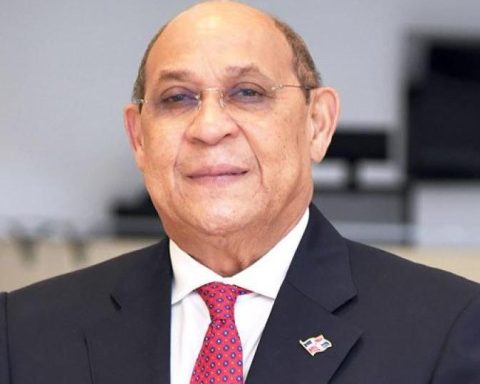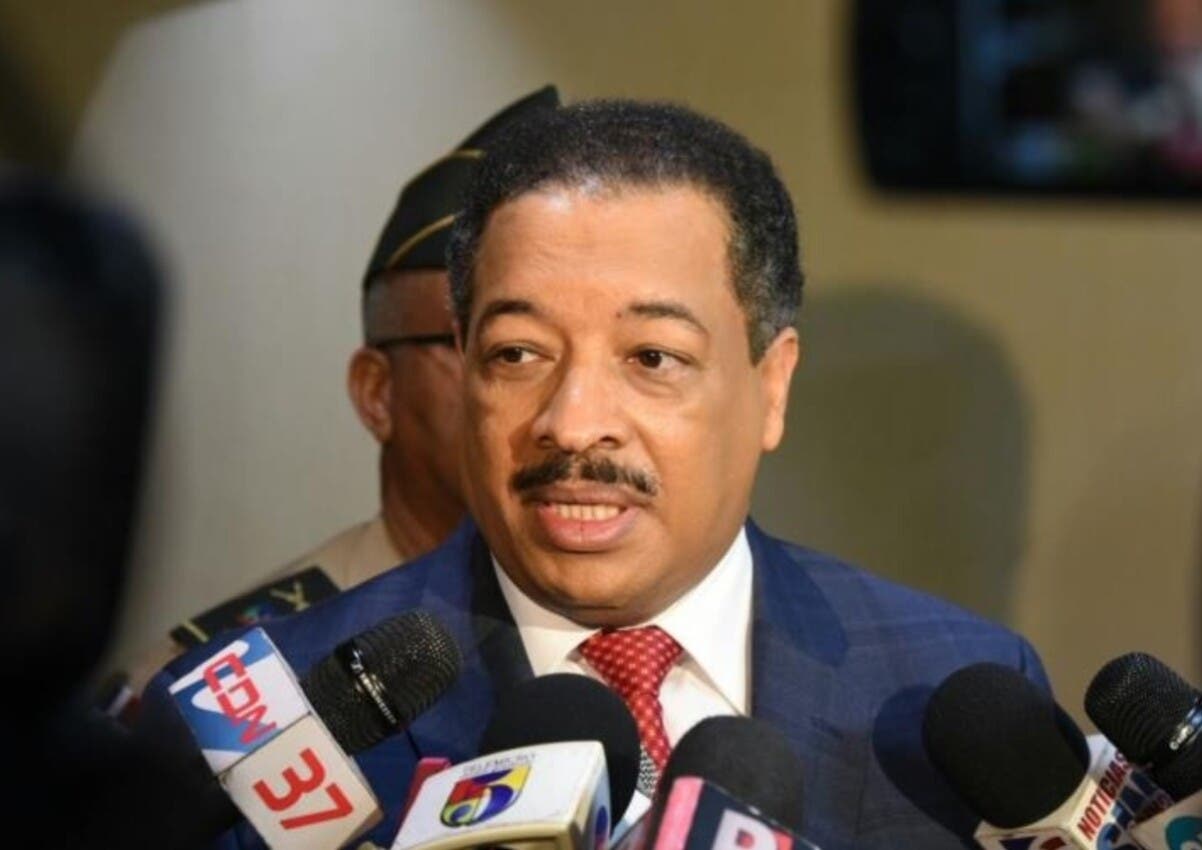
The former president of the Central Electoral Board (JCE), Roberto Rosario, proposed today a great national pact to prevent drug trafficking from continuing to permeate the State and political parties, as he claims is currently happening.
“Just as they have met to make a series of pacts that are not fulfilled, perhaps it could be promoted, it could be the Central Electoral Board (JCE), a pact to guarantee that in this regard precise measures are taken to control that, because I understand that this is creating a negative image for us,” said the also leader of the People’s Force (FP).
Rosario criticized the large number of deputies, councilors and officials of the Modern Revolutionary Party (PRM) involved in events related to drug trafficking.
Warns about the risk of drug trafficking controlling politics in the Dominican Republic if measures are not taken
In this sense, he said that he is quite concerned to see that the Dominican State and the political parties, which with the channels of citizens’ access to public office, are related by an issue as difficult as drug trafficking.
“There is no doubt that the State and the political parties have been permeated, they have been infiltrated, they have been permeated by the activity of organized crime and especially money laundering and drug trafficking,” said the member of the Political Directorate of the FP.
He maintained that the number of people who have come to light during the current administration is alarming and worrying.
According to Rosario, saying that this is new would be a lie, after remembering some campaigns against this scourge that Dr. Marino Vinicio Castillo promoted in the 90s.
“The problem that has arisen now is that an exaggerated number have links, not only with parties, but for the first time, they have been arrested, detained or accused, holding public functions and others in elective positions,” the politician stressed when interviewed on the Hoy Mismo program, channel 9.
Legislator
Rosario referred directly to the official representative of La Romana Jacqueline Fernández, against whose husband there is a request for extradition to the United States. Esteffani (Ethian) Vásquez Amarante is detained pending legal procedures for his sending.
In this regard, he expressed that it can now be explained how Mrs. Fernández got twice as many votes as her party partner from La Romana, Eugenio Cedeño, a leader from that province and with greater political connotation than her.
He believes it is necessary for political organizations to have control mechanisms to prevent drug traffickers from entering these constitutionally established entities.
He added that people linked to drug trafficking can join any party or other social entity, but that the problem is when they manage to enter public functions, which in his opinion is a danger.
“Right now there are two or three people who were deported, convicted in the United States, and have elective functions and for that to happen some party had to nominate them,” indicated the former president of the JCE.
Rosario specified that actions in that direction cannot be postponed, because if normalized, the Dominican Republic would be facing the collapse of society, because it would be organized crime “who would direct us.”