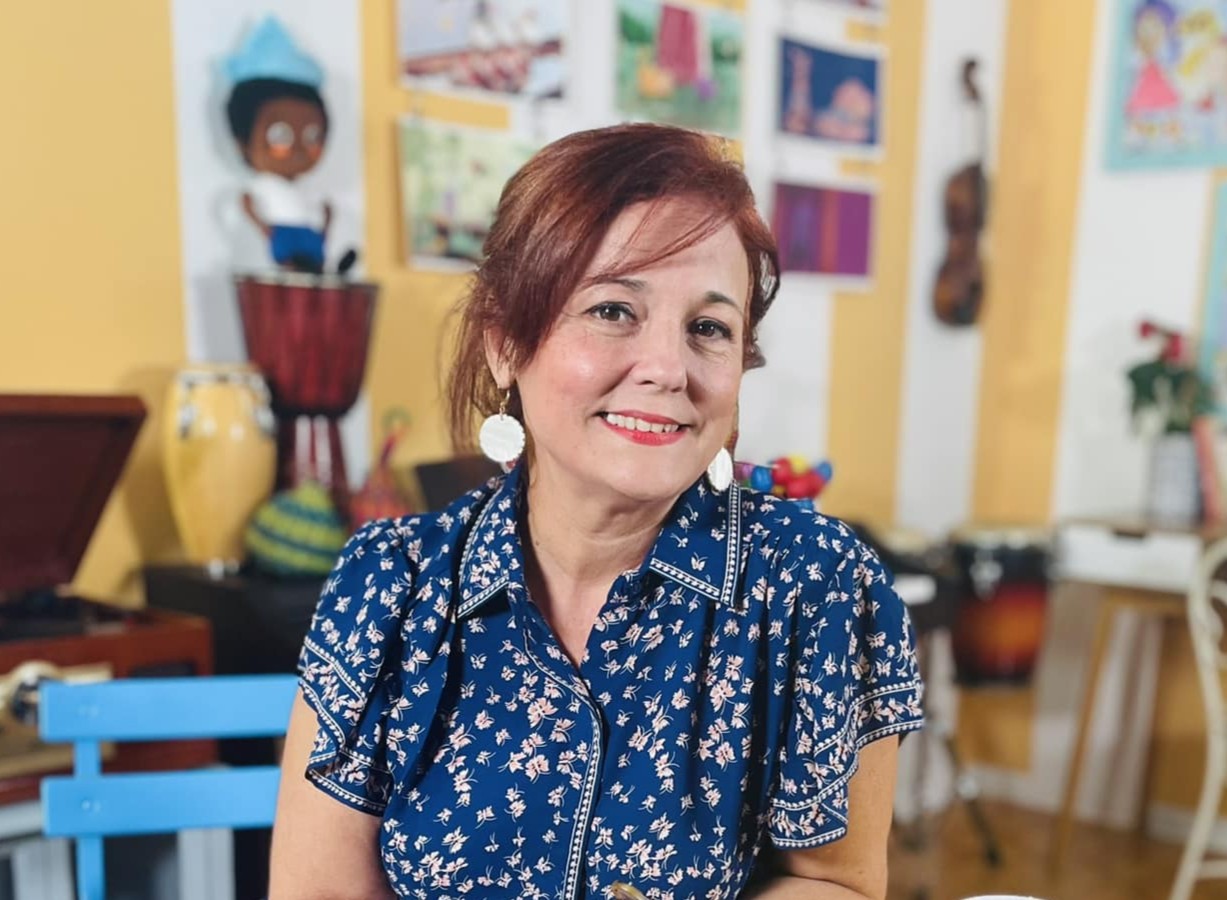
She is Rita Rosa Ruesga, and her omission is much more scandalous if one takes into account that, with this, she already adds five nominations, in the same number of years, to the Latin Grammy. Perhaps the fact that so little recognition is granted in the abundant press reviews about the nominees of this important prize is the unfortunate fact that the category in which contest, music for children, is often considered of less relevance and unattractive economic.
Here I leave them:
Present our readers, Rita Rosa.
I am a child singer -songwriter, author of books for children and pedagogue in music and early education. I was born in Palma Soriano, Santiago de Cuba. I lived in Las Tunas and Havana del Este, then in Mexico and in Miami. As a child I recorded several songs to School scenario and Musical rainbow Under the tutelage and inspiration of Jesús Caldas.
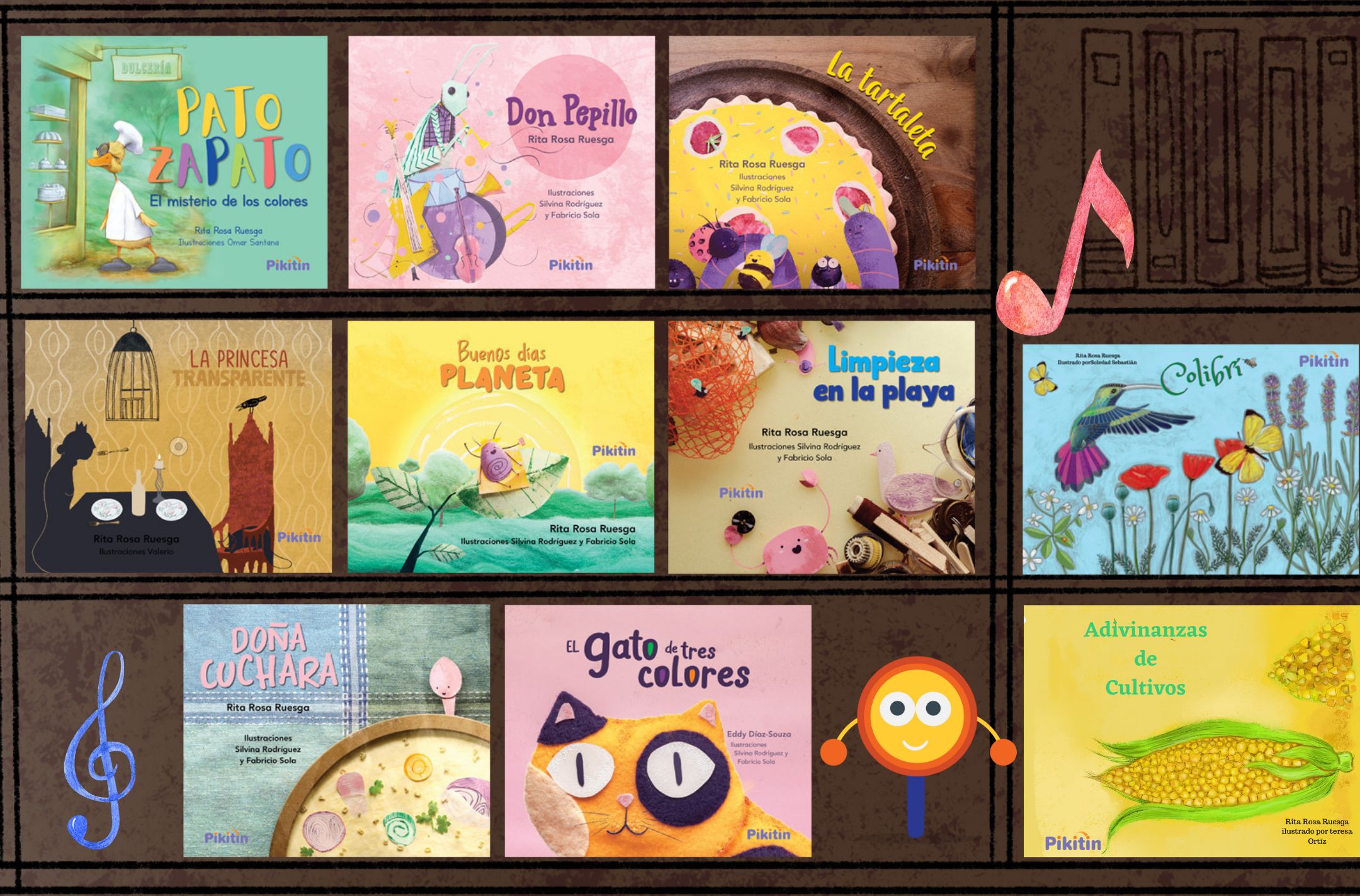
As an author, I have several books published for children with the Scholastic Editorial and also with my own company, Pikitin Learning Projects. One of those titles, The mariachishe won several awards and is still a sales success of the publisher.
How was your training in Cuba?
I graduated as Choir Director at the National School of Arts. I sang in the coral group directed by Alina Orraca.
Since when do you live outside the country?
I have left Cuba for 33 years. I have returned only twice.
At 21 I went to live in Querétaro, Mexico, to work in music conservatories. Then I moved to the United States, where I reside until today.
I have worked mainly in schools as a music educator and also for many years on television, in international productions. In addition, I have participated in several international book fairs representing the United States as Hispanic author, teaching workshops and making musical and literary presentations.
List the phonograms for which you have been previously nominated for the awards Grammy.
Rita Rosa in the courtyard of your house (2009), Insects and bicharracos (2010), Water songs (2012), Rumba Flora (2014) and, now, Giraffes (2025).
Have Cuban musicians participated in all of them?
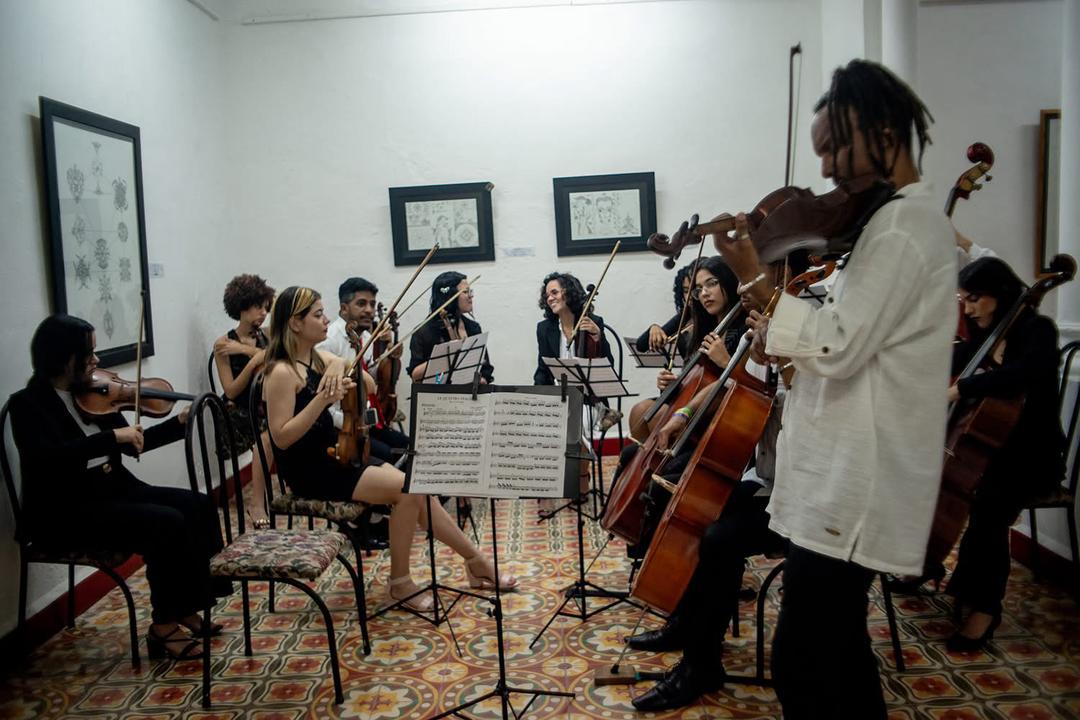
Yes, always. Cuban musicians from inside and outside the island
Do you have adult records?
No. I only record for children.
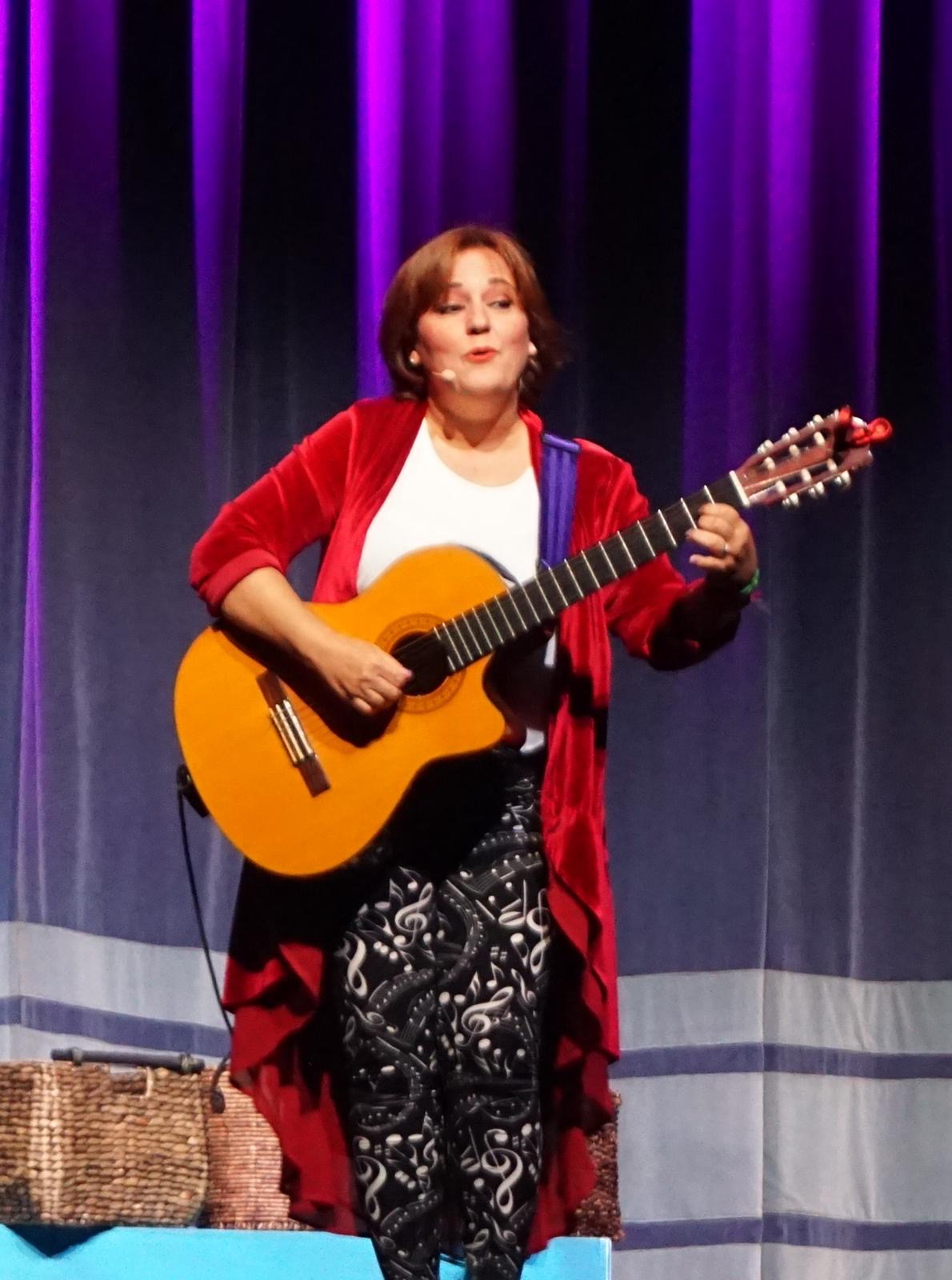
How was the conception and realization of Giraffes?
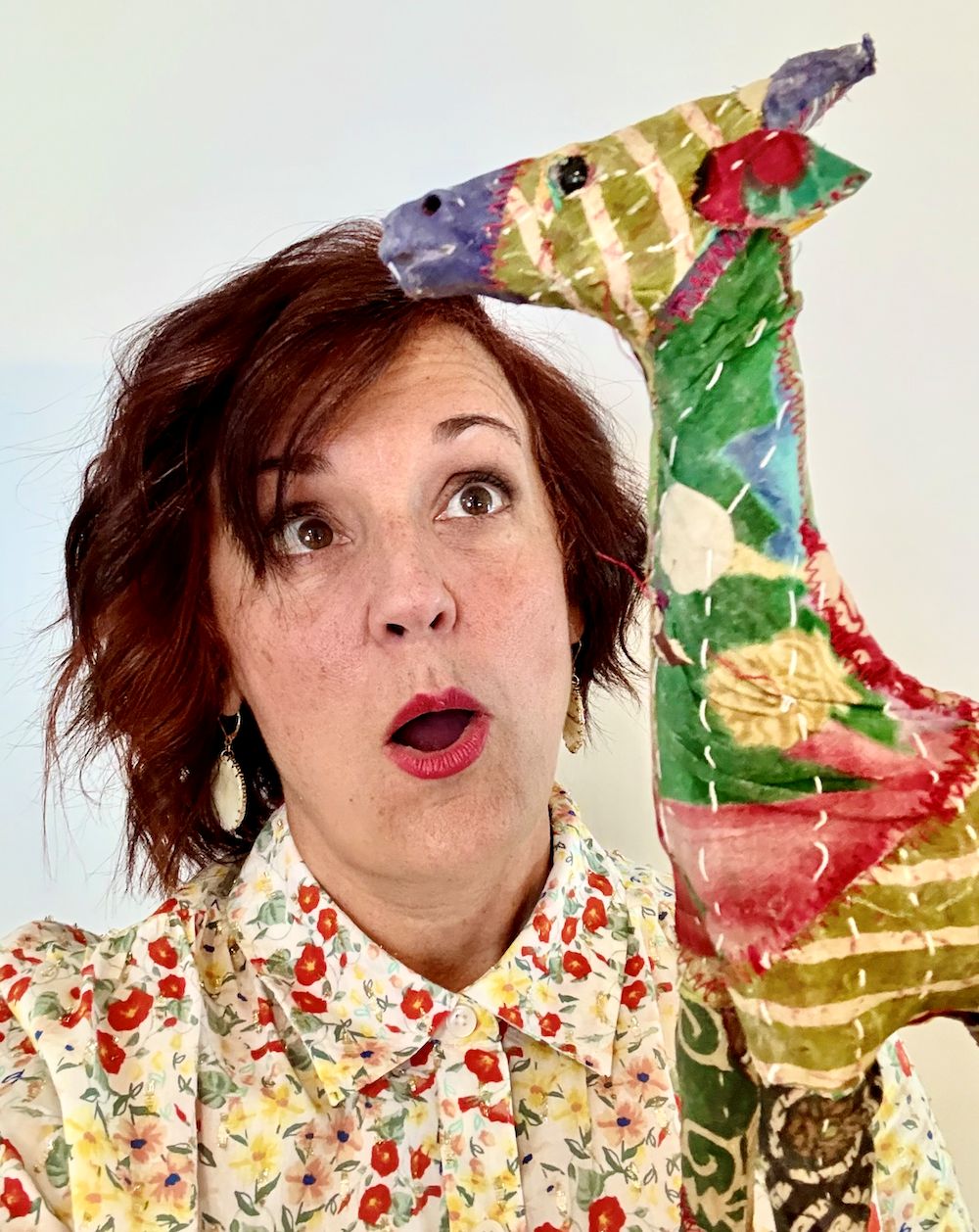
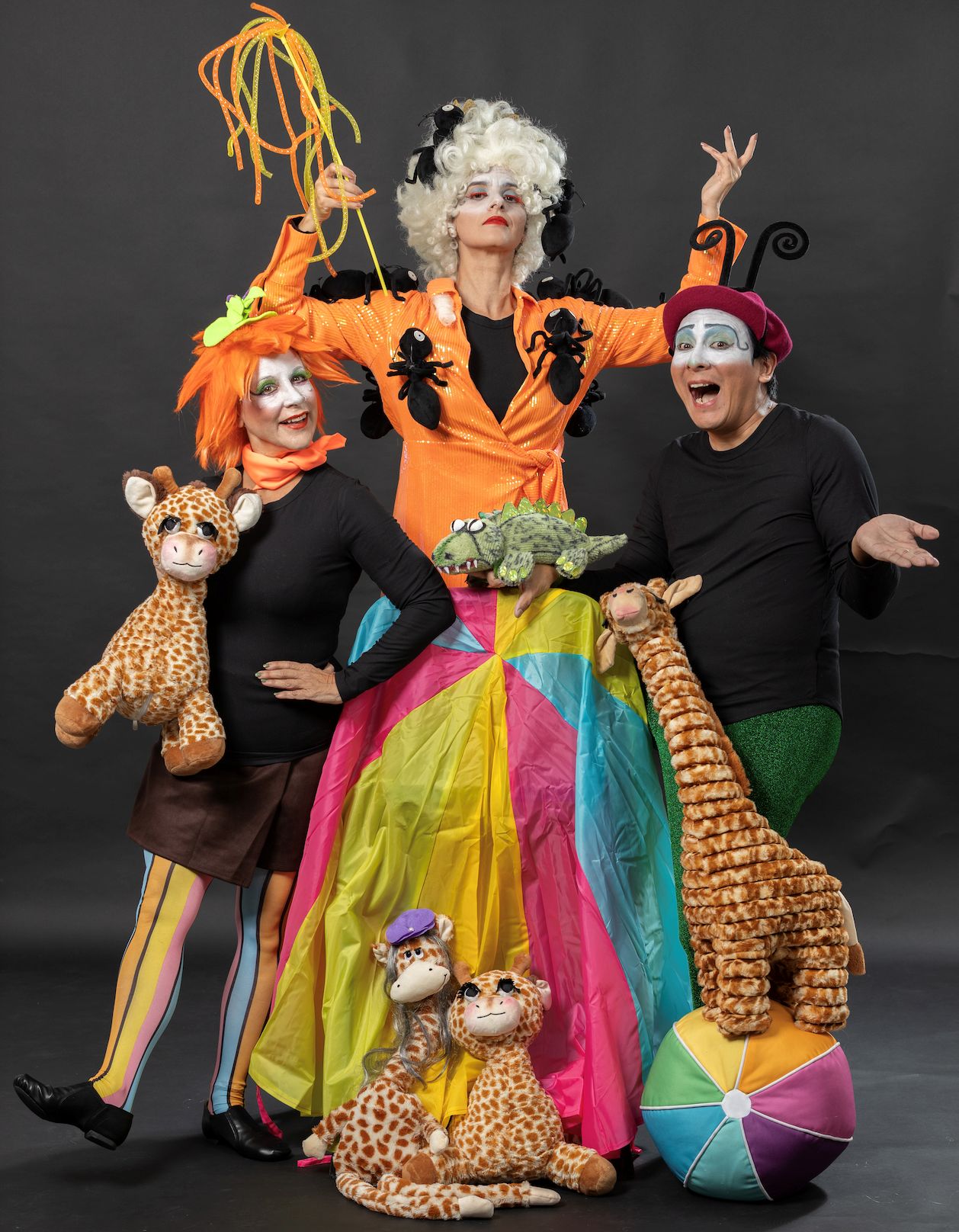
One day I bought an antiquarian an adorn from India: a giraffe made with fabric pieces. I loved it because it is a noble animal that impresses us with its size. Children worship them because they are also different and surprising.
The day I made the purchase I came up with the story, but the end did not convince me. Happens Approximately two years looking for a way to solve it, while the songs ended.
The production in Cuba was in charge of Julio Samuel Segura, son of my best childhood friend and current director of the Tunas Symphony Orchestra.
Together with Yunior Larrea, producer and engineer, we recorded the strings and some wind instruments, such as the flute and the bassoon.
With Jorge Luis Sosa, Guantanamero, I worked full production and engineering. And with red veleleta, Carlos Cano (Cuban flutist), Hernán Milla (Spanish pianist) and Aldo Méndez (Cuban storyteller), the magic of the incidental music that accompanied the dialogues played by my sister María Ruesga, Tamara Melián and the Peruvian actor Steven Salgado was added.
The illustration work, which gave body and life to the animals of history, was carried out by the famous Cuban illustrator Iranidis “Iris” Fundora. The book, which must be presented in the first quarter of next year, was entirely illustrated by it. I can’t ask for more!
Who are your paradigms in the genre of music for children and young people in Spanish?
As a child, my mother-who was a pianist and educator-always put us children’s albums of Isolina Carrillo and Cri-Cri (Gavilondo Soler). I also remember with love Gabi, Fofó and Miliki. Among more current artists, I really like the Karma duo; And from Brazil, Palavra sung, which seems incredible.
What is Pikitin Learning Projects? Do your books and discs are part of the study programs of a country?
Pikitin is a company that I founded in 2019 to create educational content inspired by music and art. Until today, it is my livelihood and my daily work partner.
We have created numerous books, supplementary programs and support resources for early childhood educators, in addition to educational toys for young children and for those with special needs.
Recently, one of our toys received an important award awarded by parents who recommend appropriate products for childhood.
In some schools in Santo Domingo, Peru and Mexico are used supplementary programs of Pikitin, and in many schools and child care centers in the United States, too.
What will be your next efforts?
I would love to reach more educators from different countries with our materials. I believe that music and plastic arts are essential tools for early education, especially in a world where screens and audiovisual constantly compete for children’s attention. More tangible and educational material is needed.
I would like to take Pikitin to Cuba. I would give it to the teachers from one point to another of the caiman. I would find a way to get it.
My dreams include opening a toy factory where young people with special skills and disabilities can work. In the creative, I want to continue producing music and books, always with the priority to educate first and entertain later.