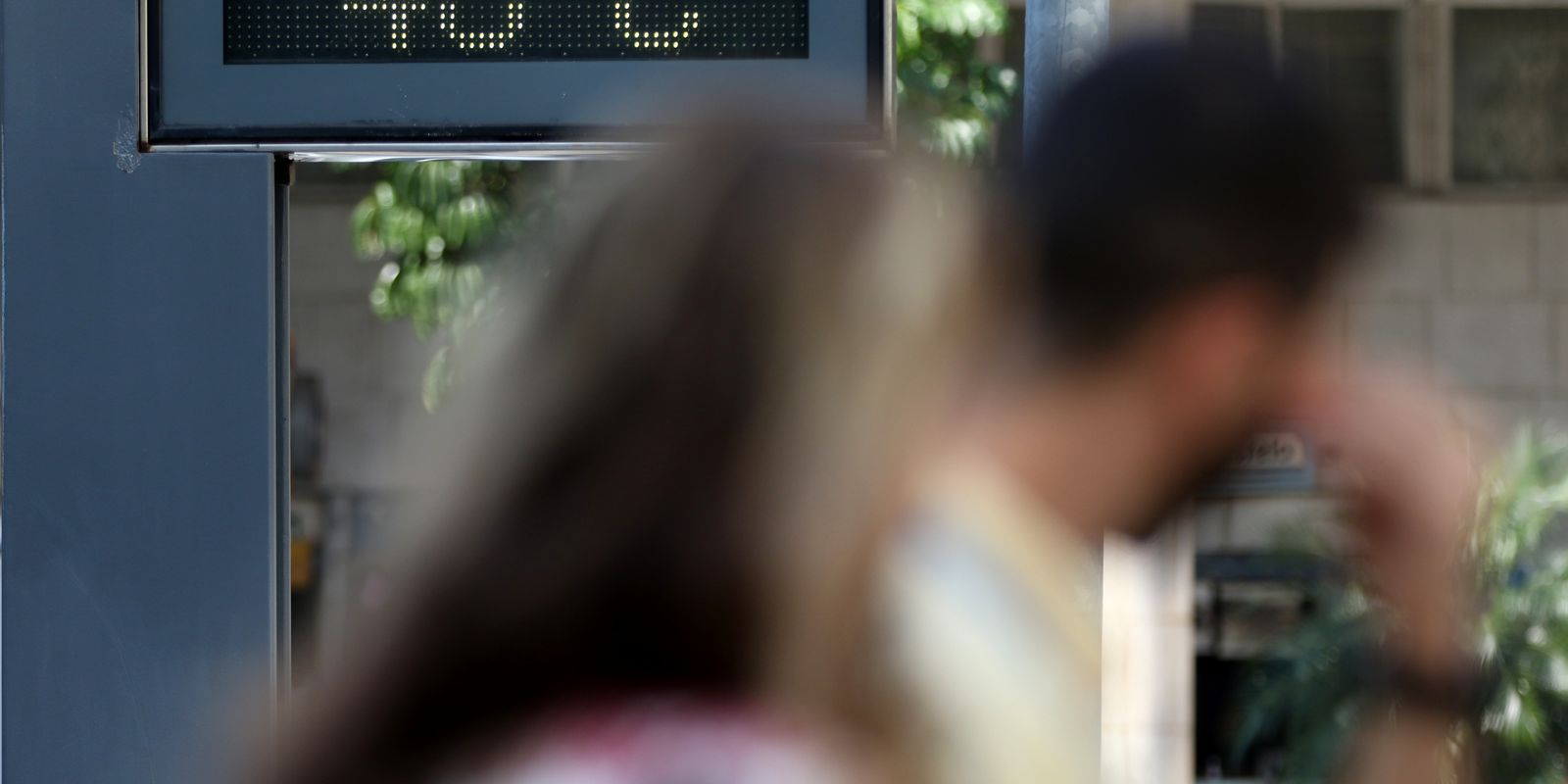
The extreme heat in Rio de Janeiro is especially classrooms, especially those that have no adequate climate structure. According to the Secretariat of Education (Seeduc), of the 1,234 state schools, 200 are without air conditioning. In the case of these, the government’s orientation is to reduce the halve -class workload.
In a statement, Seeduc says it recognizes the importance of ensuring an appropriate school environment for students and that the high temperatures faced in the state can impact students’ well-being. The Secretariat also says that it is working and investing in the air conditioning of all schools, either for the purchase and installation of devices in units that only need the equipment, or in electrical adequacy projects.
Among the guidelines sent to managers of the state school units are the incentive for liquid consumption, especially water, by students and the preparation of lighter foods for school meals and avoid performing outdoor or outside activities.
In addition, school units with inoperative climate control systems are allowed to reduce the face -to -face workload by up to 50% this month and promote rotating classes in refrigerated classrooms. Schools are also softening heat with the use of more fans and those that reduce the workload should preferably provide pedagogical content through technological resources.