
Farmers of at least eight departments maintain blockages and protests.
News Colombia.
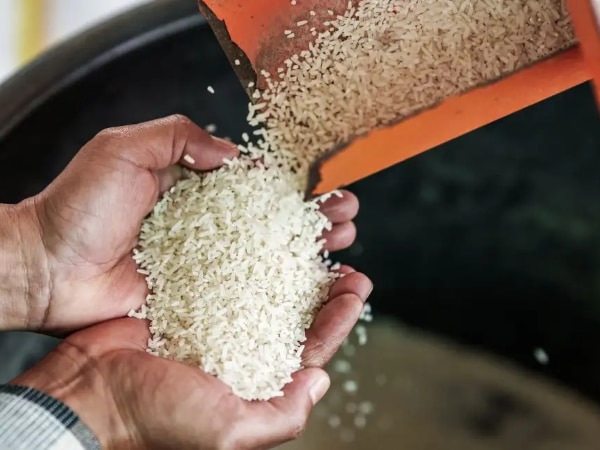
The National Arocero strike continues this Tuesday in at least eight departments, with partial blockages in productive corridors of the country.
Although the Government and the National Rice Stop Committee reactivated the dialogue at a Concertación Table the previous night, the mobilizations do not cease.
The main claim of cultivators is the lack of a resolution that defines the price of rice for the great harvest of the second semester.
Uncertainty has lit alarms in the sector. Farmers argue that without a clear formula that protects production costs and guarantees minimal profitability, thousands of families would be at risk. The situation is aggravated in an adverse international context: the reactivation of Indian exports and a global oversupply have caused a general price drop. Colombia is no stranger to that impact.
A conflict that mixes prices, historical debt and smuggling
The Ministry of Agriculture has proposed a regulation that covers both the price of green rice and white rice, along with safeguards against imports.
Although the Government insists that it seeks to balance the interests of producers and consumers, unemployment spokesmen demand that the measures translate into concrete and urgent facts.
In addition to the definition of the price, the rice guild demands compliance with agreements signed in March, such as the execution of the FAIA program and the disbursement of $ 42,000 million in promised financial instruments. Until now, they claim, the advances have been insufficient.
The smuggling, both technical and open, is another front that keeps the sector alert.
The authorities have detected illegal reserves in departments such as Valle del Cauca and on the southern border of the country, which further hits the domestic market. The government announced actions to close these gaps, but farmers will not lower the pressure as long as there are no concrete responses.