The departure of the officials occurs in a context of changes in the security strategy of interim president Delcy Rodríguez, who—unlike her predecessors—has entrusted her protection to Venezuelan bodyguards.
Cuban security advisors, intelligence agents and medical personnel have begun their departure from Venezuela in recent weeks, in a move that marks a possible turn in the historic strategic alliance between Caracas and Havana, the agency reported. Reuters this Saturday.
According to the agency, which cited eleven sources familiar with the situation, some of the Cuban personnel deployed in security and intelligence functions have already left the country or are in the process of doing so, amid growing pressure from the United States to weaken cooperation between both governments.
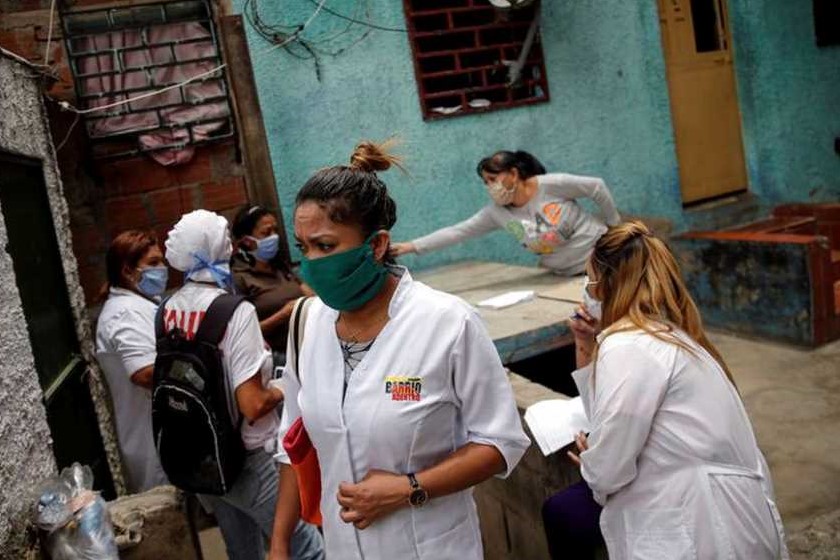
Among those who have left are advisors who operated in key structures such as the General Directorate of Military Counterintelligence (Dgcim) and doctors who had been part of bilateral cooperation for more than a decade. In addition, some officials who used to be part of military and security components have been replaced or removed from their positions, according to the sources consulted.
The departure of the officials occurs in a context of changes in the security strategy of interim president Delcy Rodríguez, who—unlike her predecessors—has entrusted her protection to Venezuelan bodyguards, reducing the presence of elite Cuban forces in her security scheme, several sources noted.
Security cooperation between Caracas and Havana was consolidated in the late 2000s, when Cuban advisors were deeply integrated into the Venezuelan Armed Forces and the DGCIM, a unit that played a key role in the internal control of Chavismo.
The US pressure on Venezuela is part of Washington’s broader strategy to dismantle the alliance with Cuba, which includes restrictions on shipments of Venezuelan crude oil to the island and economic sanctions. The president of the United States, Donald Trump, has been emphatic in pointing out that Havana benefited for years from Venezuela’s oil and resources in exchange for intelligence services and security support, although he has promised that “no more.”
*Read also: Government rejects renewal of the US emergency decree on Venezuela
The withdrawal of Cuban advisors and doctors also occurs after the US military operation on January 3 that culminated in the capture of Nicolás Maduro, in which, according to the Cuban government, 32 Cuban citizens died. Some of the injured returned to the island, while others remain active in the country, sources told Reuters.
Despite this movement that points to a decrease in the Cuban presence in security functions, analysts warn that some military advisors and academics continue to carry out work in Venezuela, and that the institutional legacy of cooperation between both countries still persists.
So far there have been no official statements from the governments of Venezuela or Cuba about the full scope of the departures or whether these changes are a direct decision by Venezuelan authorities, an order from Havana or the result of external pressure.
*Journalism in Venezuela is carried out in a hostile environment for the press with dozens of legal instruments in place to punish the word, especially the laws “against hate”, “against fascism” and “against the blockade.” This content was written taking into consideration the threats and limits that, consequently, have been imposed on the dissemination of information from within the country.
Post Views: 366