Santo Domingo.- In recent weeks there has been a significant increase in respiratory virusesa situation that could worsen with the festivities and the arrival of Dominicans residing abroadwarned this Wednesday the Dominican Society of Pulmonology and Thorax Surgery.
“Just as they bring gifts and currency, they also bring respiratory viruses, which can significantly increase the number of affected patients, adding to the cases that already exist in the country,” he pointed out. Alfredo Matospresident of the entity.
Read also: Respiratory syncytial virus reaches highest level of the year
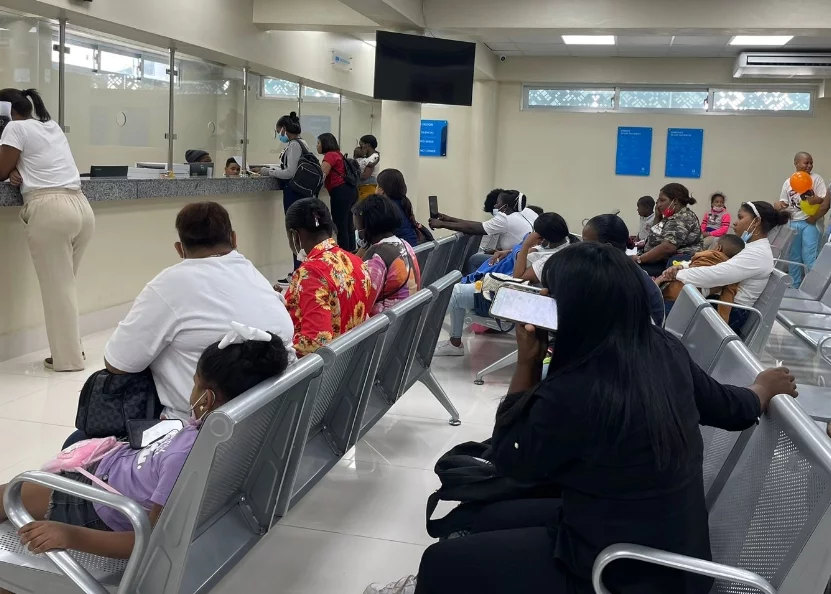
Matos explained that in this period there has been a high influx of patients with viral respiratory infectionstypical of the time of year, highlighting paintings of bronchitis and bronchial hyperactivitycaused by various viruses that affect the respiratory tract.
“In recent weeks we have seen many patients with respiratory viruses, especially with bronchitis at the bronchial level. These viruses produce symptoms such as fever, headache, muscle aches, myalgia (sore throat) and one persistent cough that remains even when the viral process has passed“said Matos.
These days it is common to see people affected by the flu at work, in transportation, at parties and in shopping centers, indicating that they feel general discomfort.
Influenza, syncytial virus and Covid-19 among the most common
The specialist pointed out that pulmonological consultations are coverage of patients with respiratory diseasespredominating influenza A and Bhe respiratory syncytial virus and some cases of Covid-19.
While in the pediatric area, he indicated that a high circulation of rhinovirusin addition to influenza, which keeps specialists on alert due to the vulnerability of children to this type of infections.
Recommendations to prevent respiratory diseases
Given this panorama, Matos recommended maintaining a proper hygieneespecially frequent hand washing, as well as use masks in crowded places or with respiratory symptoms.
Besides, avoid self-medication and go immediately to the doctor, preferably the pulmonologist and protect children, older adults and vulnerable peoplekeeping them away from people with respiratory symptoms.