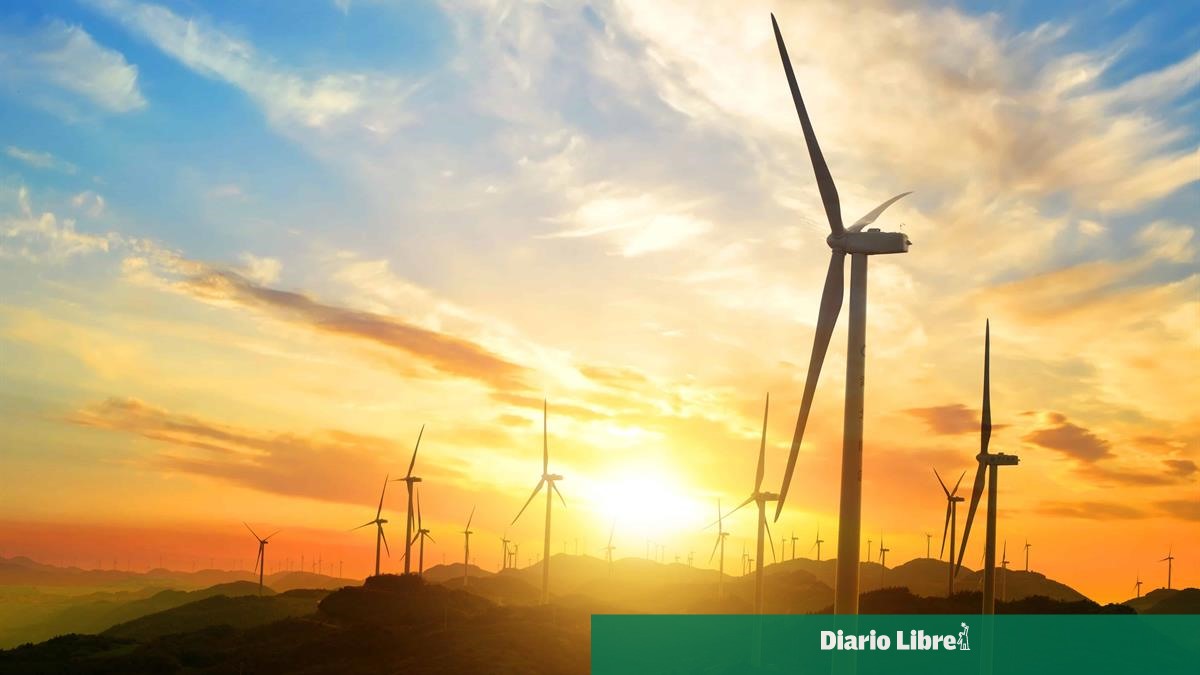
The Latin American and Caribbean Energy Organization (Olacde), based in Ecuador, highlighted that Latin America and the Caribbean “is today the greenest region in the world”, with a renewable energy matrix that reached the 69% in 2025 and with projections of reaching 78% by 2050.
This was stated by the executive secretary of OLACDE, Andrés Rebolledoin the panel “Clean Energies and Energy Transition”, developed this week, in Panama, within the framework of the International Economic Forum of Latin America and the Caribbean 2026.
During his speech, Rebolledo stressed that the region advances through diverse energy transitionsmarked by different rhythms, technologies and regulatory requirements. Likewise, he emphasized the challenges associated with the growing penetration of variable renewable energiesthe need for storage and the sophistication of electrical systems.
Rebolledo highlighted the strategic role of the regional energy integrationbased on the complementarities between countries and in opportunities for joint planning, as a key factor to improve competitiveness and strengthen energy securityOlacde indicated this Saturday in a statement.
“Latin America and the Caribbean It is today the greenest region in the world. Our challenge is to transform that integration leadershipinvestment and flexible regulations that allow promoting diverse energy transitions and socially legitimate,” said Rebolledo.
Bilateral meetings
Within the framework of International Economic ForumRebolledo also developed an intense bilateral meeting agenda aimed at strengthening the regional cooperation and promote sustainable energy transitionsinclusive and resilient.
With the Vice Minister of Multilateral Affairs and Cooperation of Panama, Carlos Guevara Mannthey exchanged views on the country’s progress in matters of energy transition, regional integration and multilateral cooperation, highlighting Panama’s strategic role as a regional articulator and platform for energy integration initiatives.
In the meeting with Dalila GonçalvesUNOPS regional director for Latin America and the Caribbeananalyzed opportunities to expand the technical collaboration in the design and implementation of energy projects aligned with international standards.
- The dialogue emphasized the development of resilient infrastructurethe efficiency in resource management and strengthening institutional capacities as key elements to accelerate the energy transition in the region.
With Muhammad Ibrahimdirector general of the Inter-American Institute for Cooperation on Agriculture (IICA), highlighted the close relationship between energy, food safety and rural development.
In this context, synergies were identified to promote sustainable energy solutions in agricultural territoriespromoting the productivity, inclusion and resilience of rural communities.
In the meeting with the president of the Latin American and Caribbean Parliament (PARLATINO), Rolando Gonzalezthey spoke of moving towards a strategic alliance aimed at promoting a common agenda in favor of fair energy transitionswith a social, territorial and long-term approach to Latin America and the Caribbean.