The protest in Gibara took place last Saturday night, after its residents spent about 24 hours without electrical service.
Lima, Peru – the repression of the Cuban regime in Gibara, province of Holguín, seems to have started after the massive protests that shook the town on the night of recent Saturday.
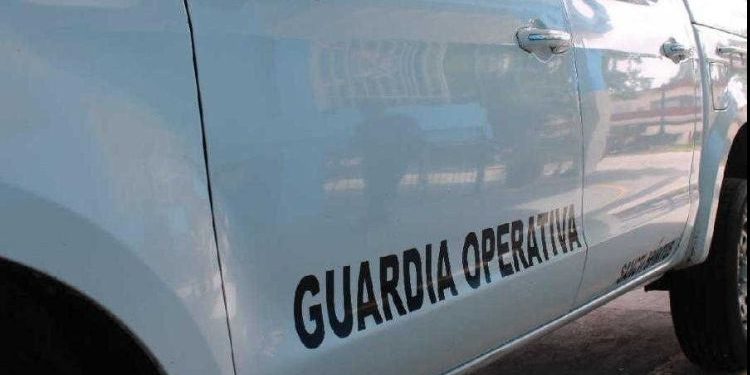
In disseminated images By independent journalists Mario Pentón and Yosmany Mayeta show how a police patrol sent by the Castro dictatorship arrests a Gibareño or Gibareña early on Sunday.
“Oh what a shame!” It is heard to tell one of the witnesses of the arrest. The identity of the detainee has not transcended so far.
“The government hunting begins to Gibara’s peaceful protesters,” Mayeta wrote on Facebook.
The fact contrasts with the statements of the local secretary of the Communist Party, Nayla Marieta Leyva Rodríguez, who said in a Facebook message that the protest had elapsed in “an atmosphere of respect and dialogue.”
The citizen protest in Gibara took place on Saturday night, after the residents spent about 24 hours without electrical service.
Widespread videos In social networks They show hundreds of people marching through the streets in the middle of the dark, including children, raising the voice to the shout of “Put current!” and “freedom.”
The images evidence the growing discomfort of a population that has a prolonged blackouts for more than three years, as well as problems due to water scarcity, all of them aggravated by a context of generalized economic crisis.
The Cuban regime usually deploy its repressive forces against peaceful protesters during or after the acts of protests on the island. In raids they usually make isolated arrests as ineffective samples of authoritarianism and exemplary lesson that have failed to stop the frequent samples of popular discontent.
However, the Non -Governmental Organization Prisoners Defenders registered in its most recent report that at the end of August 2025 in Cuba there was a new record of 1,185 political prisoners.
The cases of the 13 new political prisoners that have entered the list, highlights the NGO, reflect a recurring pattern of political persecution, disproportionate use of force, manufacture of positions and application of extremely severe criminal sentences, all with the aim of silencing any form of opposition to the Cuban regime.