According to Elías Matta, Giorgio Cunto and José Ignacio Hernández, what must happen is the sanction of a new law and the re-institutionalization of the country
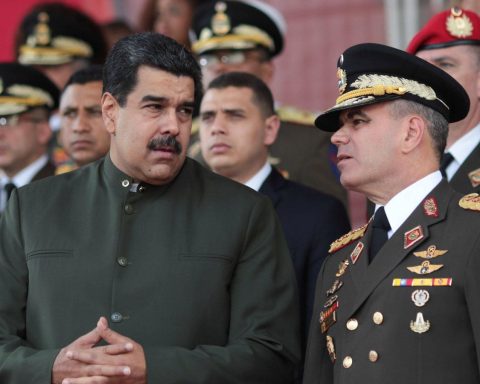
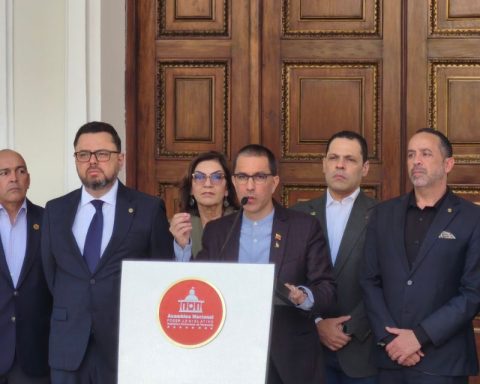
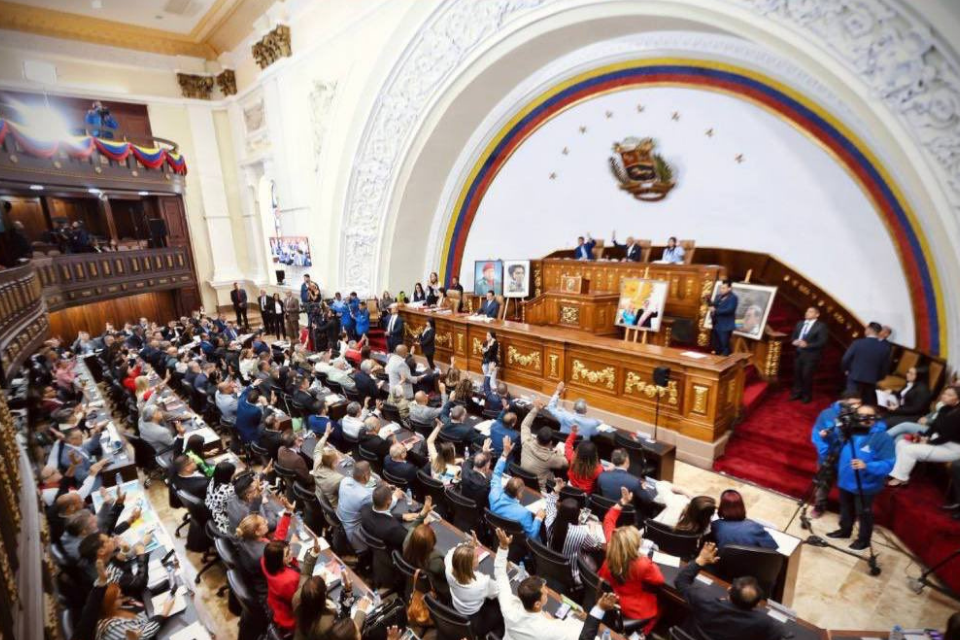
In the context of the arrest of Nicolás Maduro and Cilia Flores, after a United States military operation and the tutelage of the Donald Trump administration over the presidency in charge of Venezuela, the National Assembly (AN) approved in first discussion the Partial Reform of the Organic Law of Hydrocarbons, proposed by the Executive headed by Delcy Rodríguez.
According to the bill distributed among the deputies, just hours before the first plenary discussion that took place on January 22, the reform consists of 18 articles that include the incorporation of three transitional provisions.

The changes are important, but insufficient to attract large investments and develop the national oil industry, warn experts consulted by Cocuyo Effect. What must happen sooner or later, they emphasized, is the enactment of a new law and the re-institutionalization of the country.

*Read also: The silent crisis of psychiatric patients and their families in Venezuela
What do the changes to the legal text represent in the current situation of the country? What is the goal and implications? What are the changes about? Do they respond to the oil agreement with the US? Does it attract large investments? What is missing to reach a recovered and modernized oil industry?
Opacity and lack of consultation
“The fact that a project is being discussed without its content being known in advance already denotes a serious failure of transparency, which is typical of the opacity with which these issues have been treated in the past and, of course, contradicts the demands for re-institutionalization that the country requires at this time,” said constitutional lawyer José Ignacio Hernández.
*Journalism in Venezuela is carried out in a hostile environment for the press with dozens of legal instruments in place to punish the word, especially the laws “against hate”, “against fascism” and “against the blockade.” This content was written taking into consideration the threats and limits that, consequently, have been imposed on the dissemination of information from within the country.
Post Views: 26