Miguel Díaz-Canel presented to Parliament the proposal for the “release” of Rubén Remigio Ferro as president of the Supreme People’s Court.
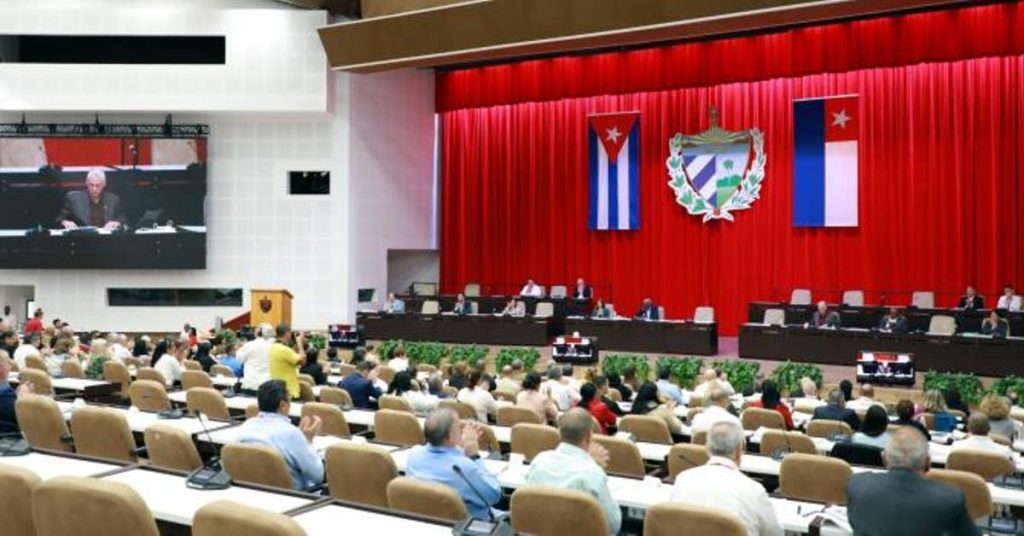
MIAMI, United States. – In the middle of a session of the Cuban Parliament, this Thursday, the ruling leadership moved key pieces: the Council of State accepted the resignations of Homero Acosta Álvarez to his status as deputy and his position as secretary of the National Assembly, and also the resignations of Ulises Guilarte of Birth and Ricardo Rodríguez González as members of the Council of State itself, according to the newspaper Granma.
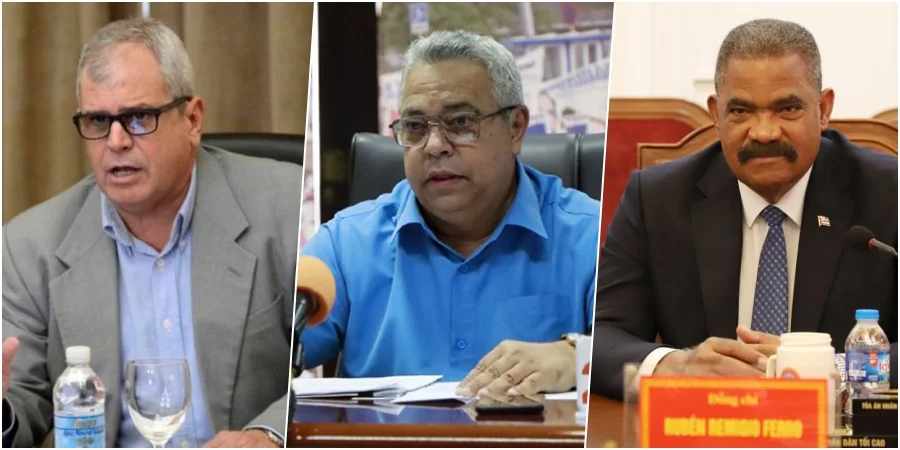
On the same day, the Cuban ruler, Miguel Díaz-Canel, presented to the plenary session the proposal for the “release” of Rubén Remigio Ferro as president of the Supreme People’s Court after 27 years in that responsibility and proposed Oscar Silvera Martínez, current Minister of Justice, to replace him.
To replace Silvera in the Ministry of Justice, Rosabel Gamón Verde, until now first vice minister, was proposed.
The official story, however, left the central question unanswered: why are these departures and replacements occurring precisely now. In the case of Acosta, Guilarte and Rodríguez González, Granma He limited himself to pointing out that “they presented their resignations” and that the Council of State “accepted” them, without offering causes, disagreements, new responsibilities, or verifiable public explanations for a change that affects the secretariat of Parliament and the composition of the body that represents it between sessions.
Regarding the judicial replacement, official coverage described the movement as a “cadre movement” and presented the change as a procedure for parliamentary approval. According to Granma, Díaz-Canel argued that Silvera had “carried out different responsibilities in an ascending manner” within the court system and that Gamón Verde came from a background within the Ministry of Justice and state legal structures.
Once again, these are decisions with high institutional impact presented as “resignations” and “releases” without public accountability or minimal information to evaluate responsibilities.
(News in development)