By Juan Carlos Espinosa
Maykel, a 35-year-old Cuban, had never walked so much in his life. This food seller travels 20 kilometers to work and return home. The alternative would be to spend around 16% of your monthly salary daily.
His exhausted face is that of many islanders who find themselves in the middle of a transportation crisis to the limit, fueled by the oil blockade that the United States imposed on the island in January.
Cubans are no strangers to dealing with absent or, at best, deficient public transportation. But for Maykel, the levels of the last few days are something that he could not imagine even in his nightmares.
“But, well, we survived,” he tells EFE from his market stall.
American pressure – Washington threatened with tariffs on countries that supply oil to Havana – is progressively paralyzing the island economy, which was already in a very precarious situation after six years of serious crisis.
In response, the Cuban Government has implemented a tough contingency plan that includes, among other things, the reduction of public transportation and severe fuel rationing, which has sent gasoline and diesel prices skyrocketing on the dwindling black market.
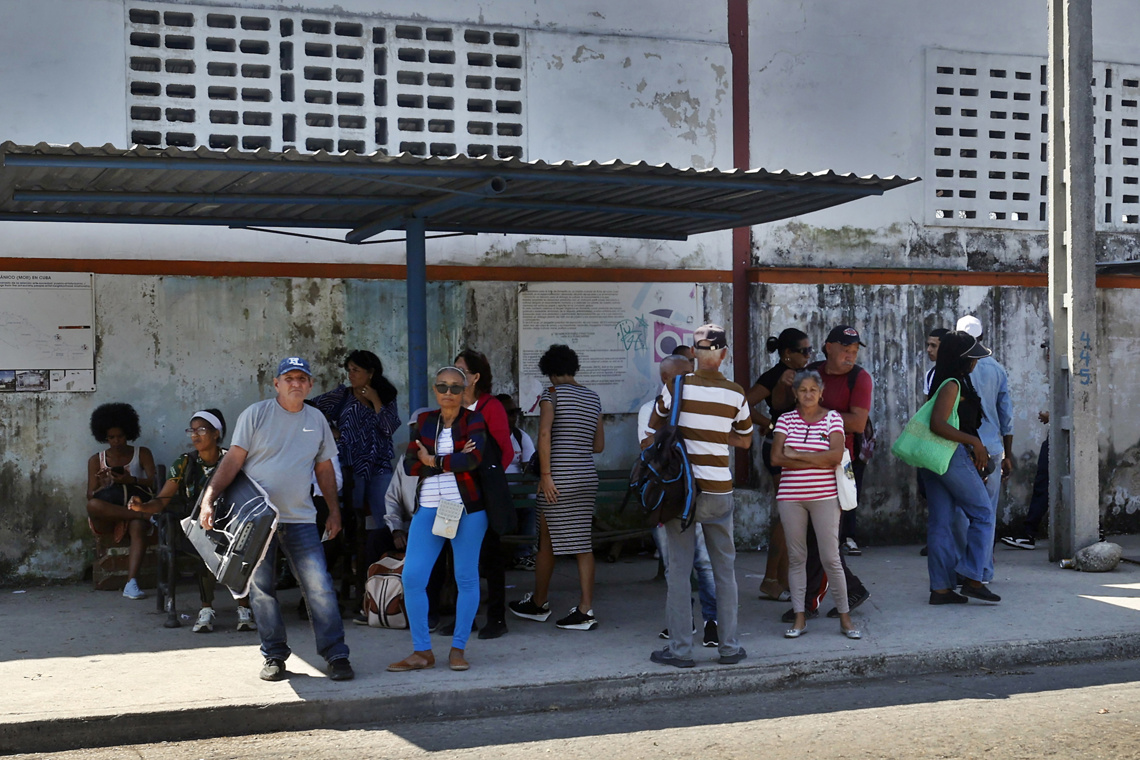
This has meant that the already scarce city buses practically do not pass through the stops, where you can see large crowds or, flat out, empty benches because users have ended up throwing in the towel.
Out of gas
Miguel Leyva, 71, has been sitting on the ground for four hours under the strong midday sun of Havana.
He does not know if at some point during the day the bus will arrive that will take him to the railway terminal, where he will have to take a train to visit his family in Santiago de Cuba, at the other end of the country.
“The transportation is terrible. The buses don’t put them on. They put one and then, at 10 o’clock, they don’t put any more. There is no money to pay or to eat,” complains this septuagenarian, who receives a pension of barely 2 thousand Cuban pesos.
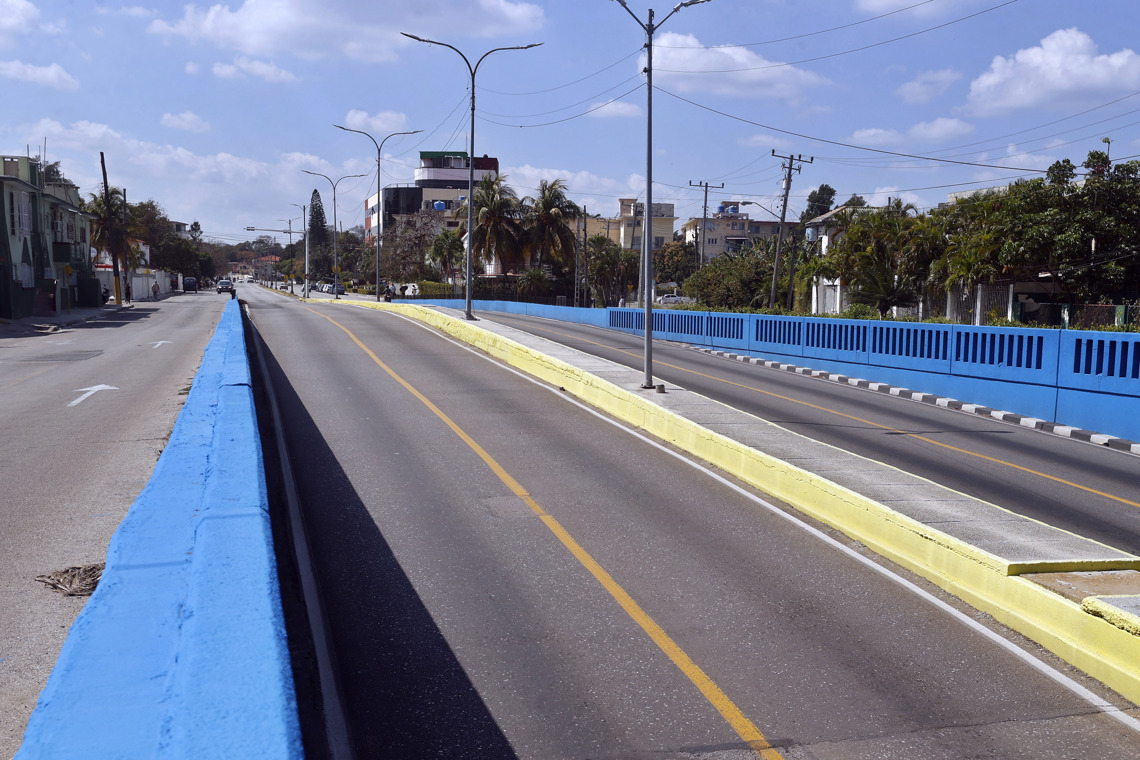
The fuel shortage has also emptied the streets and avenues of the island and left those who provide transportation services in total uncertainty.
“I don’t have gas. I’m practically stopped. And the worst is yet to come,” he complains with EFE Armando, a 65-year-old taxi driver.
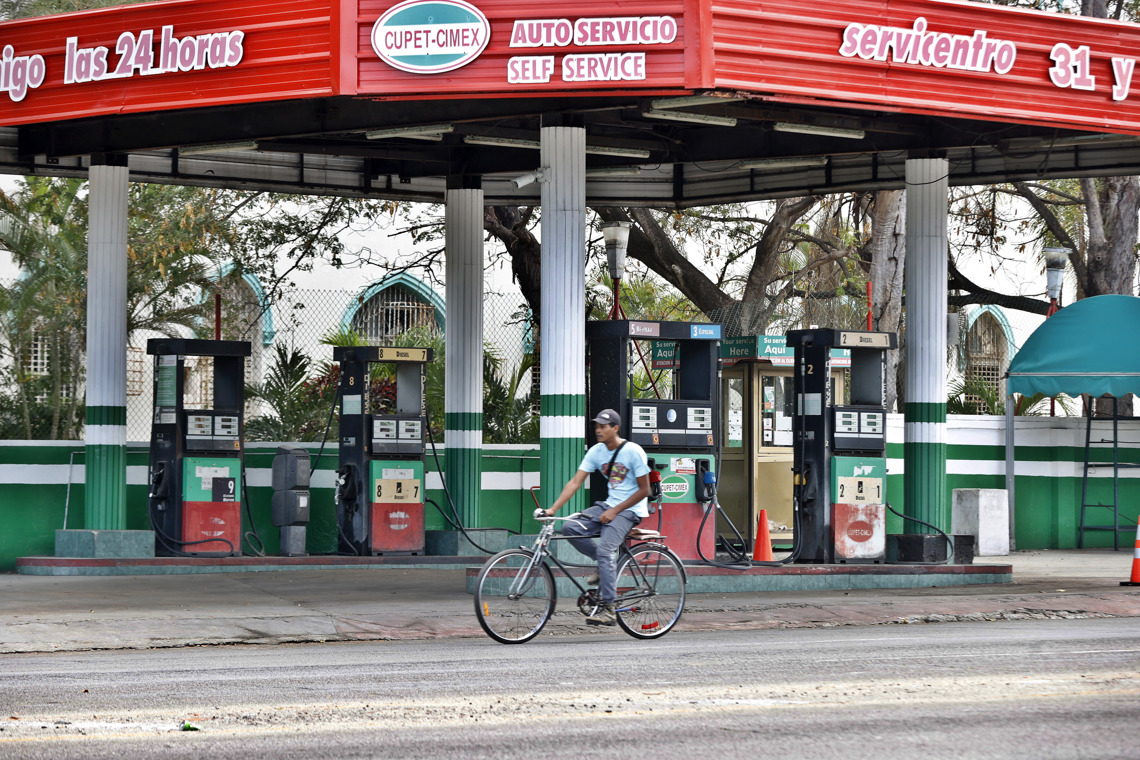
Gas stations in Cuban pesos have stopped refueling. Those that supply diesel have closed completely and those that charge in dollars accumulate virtual lines in a mobile application where the shift can arrive months later, after thousands of other drivers, and the user can only load up to 20 liters.
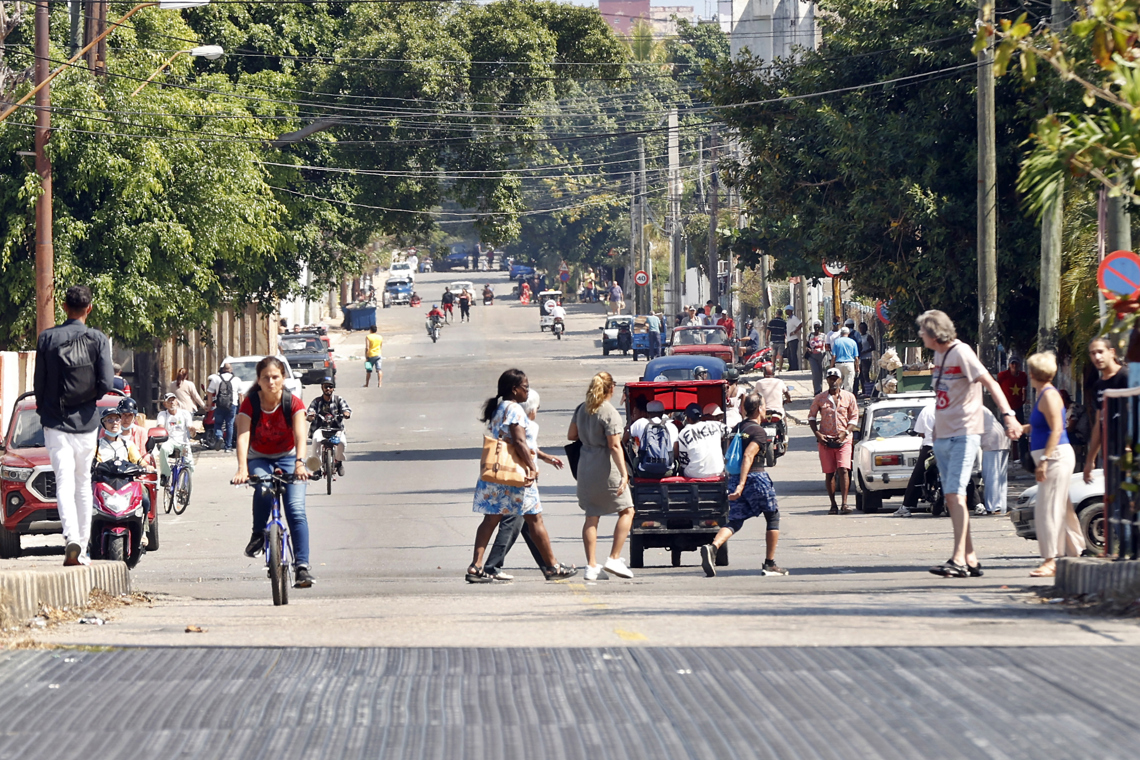
Out of desperation, some Cubans opt for the black market, where a liter can cost up to half of an average salary, which can be around 6 thousand pesos.
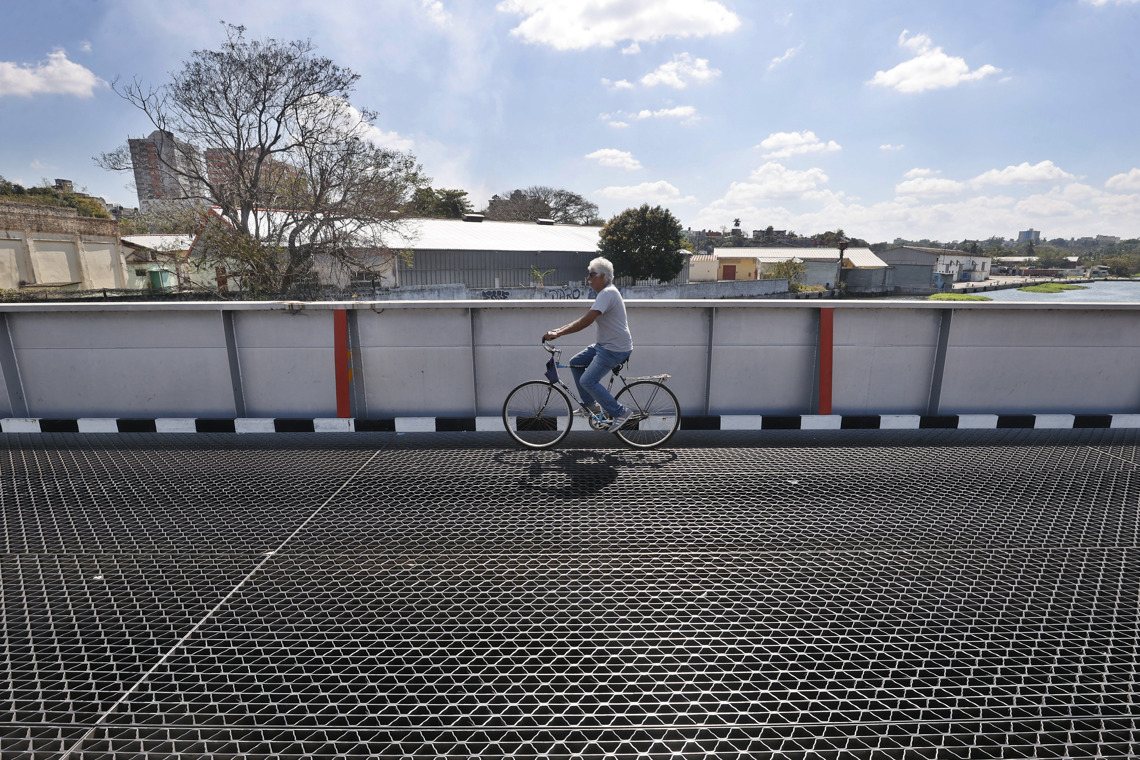
“I saw the street prices and decided to ride a bicycle. If I pay those prices I’m going to ruin. I don’t see that there is any type of prosperity. Here people go to any part of the planet because here today it is unlivable,” laments Andrés, 67 years old.
electric transport
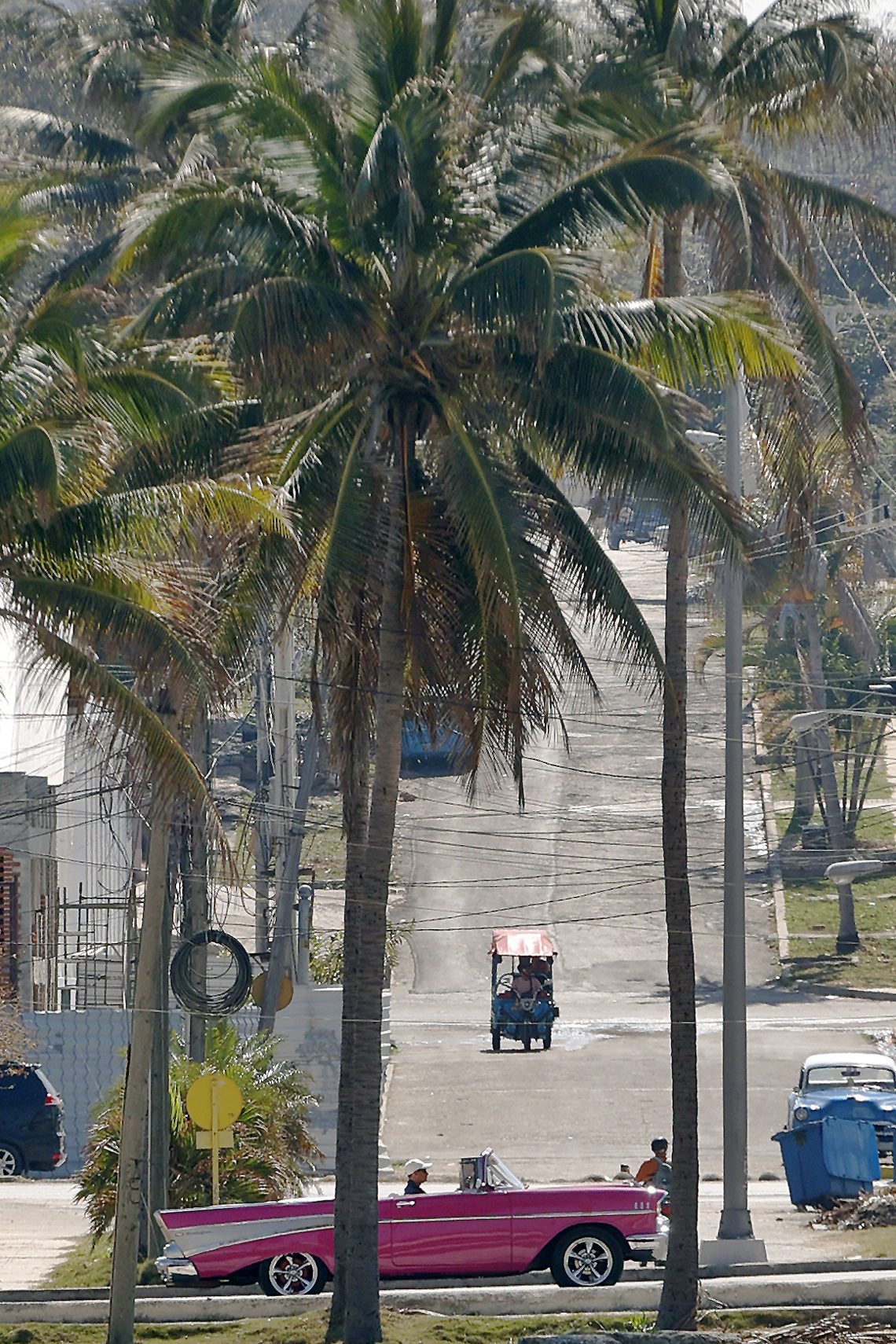
The fuel shortage has also been a golden opportunity for transporters of electric passenger tricycles. Although, paradoxically, the energy crisis has also played a trick on them.
Crespo, 60, watches as a handful of passengers fill the small cargo box of his tricycle. Try not to use it too much because, with the long daily blackouts that the island suffers, it is difficult for the battery to reach 100% for each day.
Before Washington gave a new twist in its sanctions against Cuba, this driver could use the asset of a generator set that he has at home. But now, with the lack of diesel, even that must be measured.
On the other side of the street, Mercedes, 80, is the only one waiting at a bus stop. He looks at his watch and confirms EFE who has been there exactly two and a half hours.
Try not to “pick a fight” with the situation in the country, a phrase widely used by Cubans. In the face of uncertainty, he offers a reflection: “In Cuba we are already used to it.”