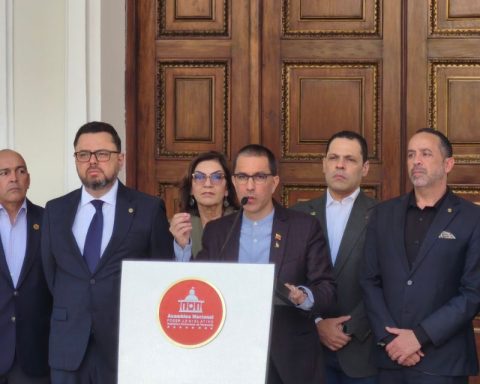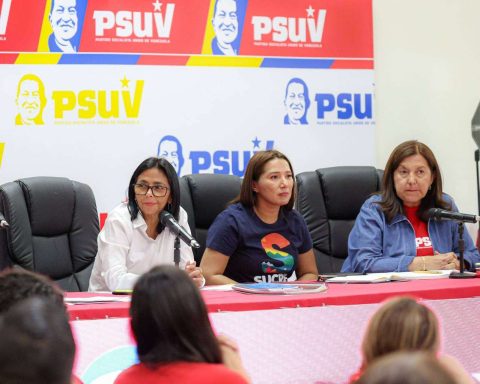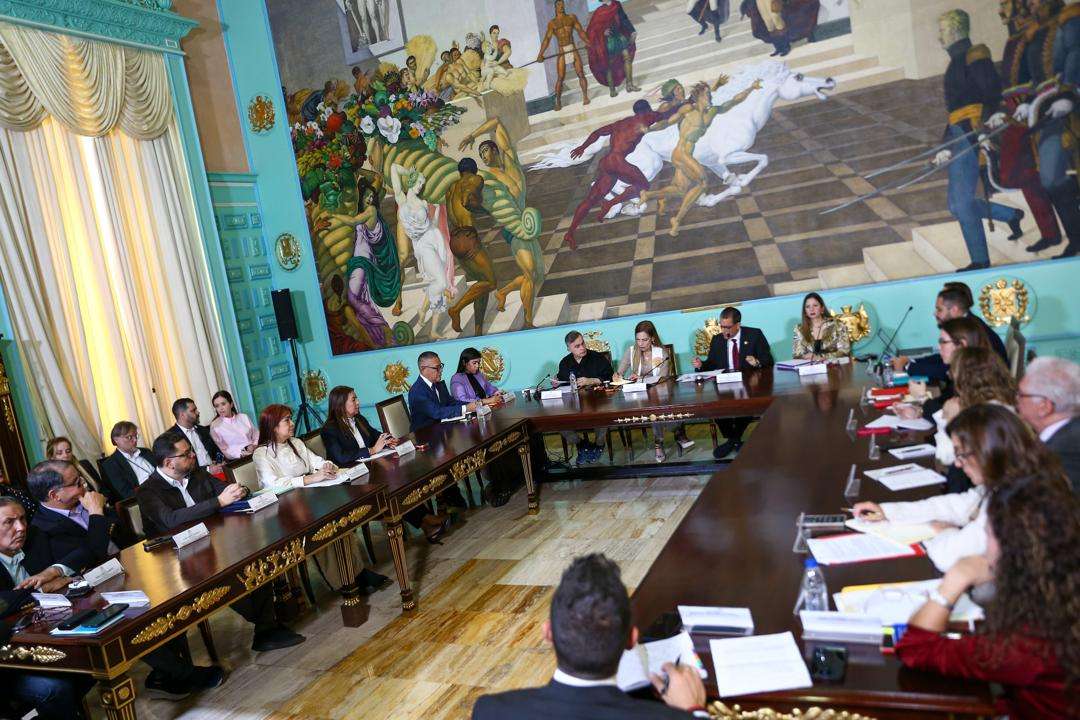
The representatives of the national Public Powers held a strategic meeting in order to debate and raise specific proposals for the Amnesty Bill.
The meeting made it possible to articulate efforts between the Legislature and the justice system to guarantee that the legal instrument has a solid legal basis and broad territorial participation.
Jorge Arreaza, deputy and president of the commission in charge, described the day as “an extraordinary meeting of very profound visions, both of the heads of our public powers and of the deputies.”
The parliamentarian highlighted the incorporation of the alternative justice system and the participation of justices of the peace elected by their communities in this national consultation process.
Likewise, Arreaza reported that the legislative, municipal councils and communal parliaments have been summoned to hold the debate in their localities and submit their proposals as soon as possible.
“We have suggested to the judiciary, including the branch of communal peace justice, that they hold meetings in all their communes, in all communal circuits and of course also the Public Ministry and the rest of the bodies of the justice system in the territory so that we receive all the proposals in record time,” he noted.
Vision of the Supreme Court of Justice
The president of the Supreme Court of Justice (TSJ), Caryslia Rodríguez positively valued the exchange of ideas between the institutions of the Venezuelan State.
The judge described the meeting as “a fruitful debate, a debate that truly fills us with hope and expectations, it is an invitation to approve this amnesty law, which is nothing other than the reaffirmation of our commitment to peace.”
For the highest authority of the Judiciary, this process represents an opportunity for national dialogue and citizen coexistence.
“It is our commitment to understanding, to love, to listening to all sectors beyond our differences… that fills us with humility and invites us to reunion,” concluded the president of the TSJ.