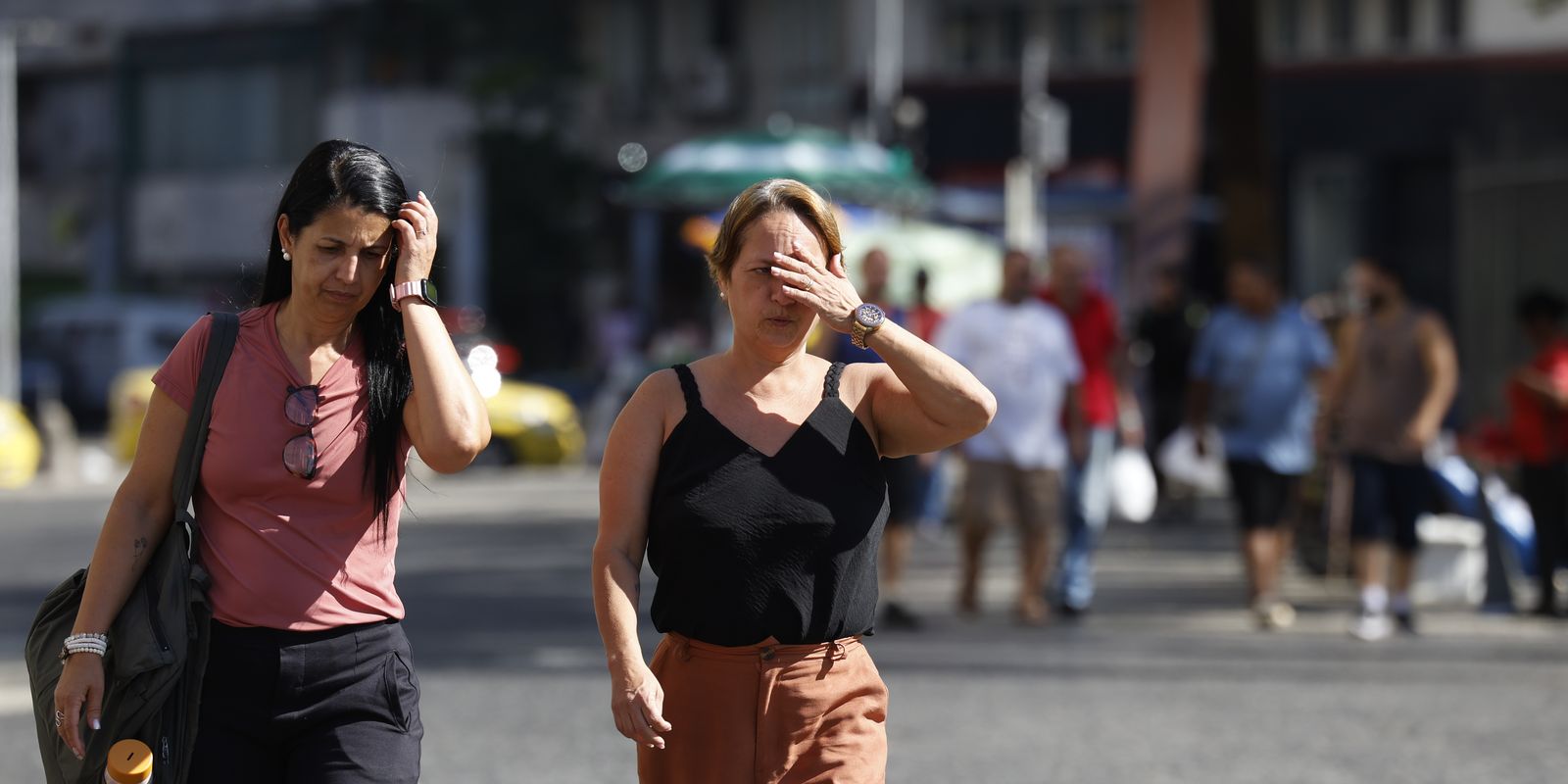
The high temperatures recorded in the state of Rio de Janeiro in the first two weeks of 2026 have already led thousands of people to seek care in health units, according to data updated this Wednesday (14) by health agencies in the state and municipality of Rio. The numbers surpass those of last year in both the state and municipal networks. 
The Rio State Health Department (SES-RJ) reported that, From January 1st to 13th this year, 2,072 people were treated in state emergency care units (UPA) with heat-related symptoms.
In 2025, in the same period, 1,931 patients with this symptomatology were treated in the same period, which represents an increase of 7.3% in 2026.
According to SES-RJ, patients presented at least three simultaneous symptoms related to extreme heat:
- headache,
- dizziness,
- nausea,
- hot and dry skin,
- rapid pulse,
- high body temperature,
- visual disturbances,
- mental confusion,
- rapid breathing,
- tachycardia,
- dehydration,
- heat stroke
- and hydroelectrolyte imbalance (water and mineral salts).
In the city of Rio de Janeiro, the data draws even more attention. In just five days, from January 9th to 13th, according to monitoring by the Epidemiological Intelligence Center of the Rio Municipal Health Department (SMS), the urgent and emergency network recorded 3,119 visits possibly related to heat.
This number corresponds to an increase of 26.84% in relation to the expected median for the same period in previous years.
Recommendations
SES-RJ recommends that the population avoid exposure to the sun and heat for a long time and at times of greater heat intensity (from 10am to 4pm).
It is also essential to maintain adequate hydration, drinking plenty of fluids even if you do not feel thirsty. A light diet is also recommended, without heavy and fatty dishes, giving preference to foods with a high water content, such as fruits and vegetables.
In the heat, it is also recommended to avoid high consumption of caffeine and alcohol, wear light and light clothing, and adopt the use of caps, hats, glasses and sunscreen.
“It is important to pay attention to groups at highest risk and prioritize people most vulnerable to heat, which are the elderly, children, pregnant women, heart patients, diabetics, homeless people, workers exposed to the sun”, says the state secretariat.
Still according to SES, immediate care should be sought when there is a change in the level of consciousness, convulsion, high temperature, persistent hypotension, signs of severe dehydration, shortness of breath, chest pain and absence or extremely low production of urine.