The backdrop is the collapse of the rial and inflation that reached 42.5% this month.
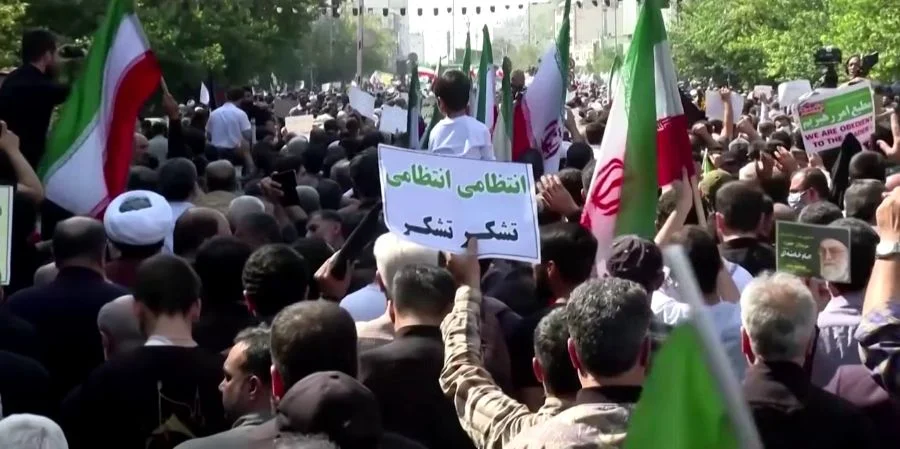
MIAMI, United States. – Protests over inflation and currency devaluation spread in Iran this Tuesday, with demonstrations that, in addition to shops and bazaars, reached several universities in Tehran, while the regime announced that it seeks to open a channel of dialogue with the protesters. According to Reuterssemi-official media reported student protests and the Executive recognized that the unrest responds to the deterioration in the standard of living.
The backdrop is the collapse of the rial and inflation that reached 42.5% in December, in a year in which the Iranian currency lost nearly half its value against the dollar. The exchange rate on the open market hit a record high of around 1.4 million rials per dollar on Tuesday, after starting 2025 at 817,500.
Government spokesperson Fatemeh Mohajerani publicly admitted the economic origin of the outbreak. “We officially recognize the protests (…) we hear their voices and we know that this originates from a natural pressure derived from the pressure on people’s livelihoods,” he declared on Tuesday, according to state media cited by Reuters.
President Masoud Pezeshkian sought to lower the tension and said last Monday night in a social media post that he had asked the Interior Minister to listen to the “legitimate demands” of the protesters, and that a dialogue mechanism would be enabled that would include conversations with protest leaders.
The economic crisis has already caused movements within the state apparatus: the head of the Central Bank, Mohammad Reza Farzin, resigned on Monday, after the start of the largest protests in three years, and the Cabinet appointed Abdolnasser Hemmati as the new governor of the Central Bank on Wednesday, according to the state agency IRNA.
At the same time, judicial authorities raised the tone against the protest. Attorney General Mohammad Movahedi Azad, who warned that “any effort to turn protests over economic issues into insecurity, damage to public property or execute foreign scenarios” will face a “strong reaction,” according to the Associated Press (AP) agency report.
On the streets, Reuters verified videos of marches in Tehran with slogans such as “Rest in peace Reza Shah,” alluding to the founder of the dynasty deposed in the 1979 revolution, and reported closures of businesses and accessions in the university sector.
Although the immediate trigger is economic, the discontent is connected to a broader erosion of state authority in the public space. In a report published on December 24, Guardian described how young women in Tehran increasingly challenge the mandatory hijab on the street, with videos on social networks in which they appear without a veil, as a persistent form of daily defiance since the case of Mahsa Amini.