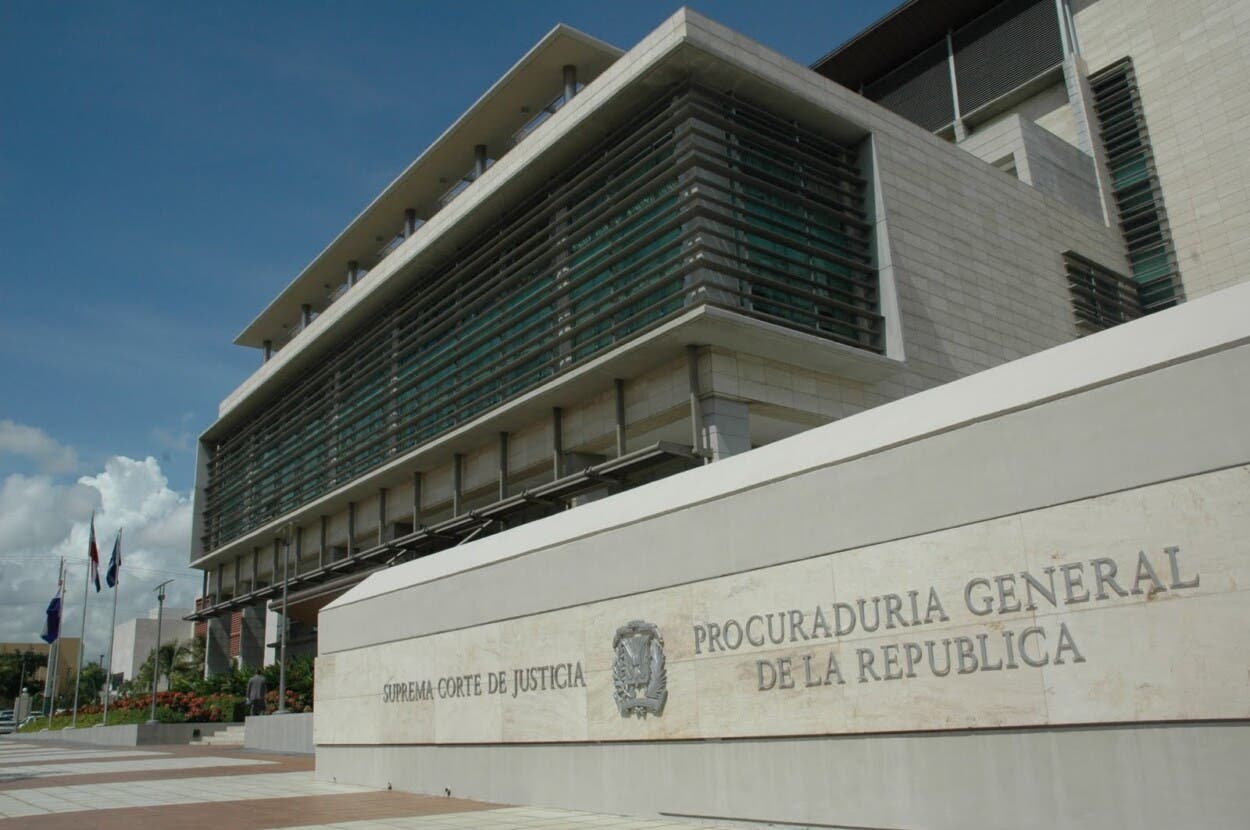
The Prosecution Directorate of the Public Ministry and the Specialized Prosecutor’s Office for the Prosecution of Administrative Corruption (Pepca) continue to expand the collection of evidence in the investigation into the alleged embezzlement in the National Health Service (Senasa).
Although the process seemed to have cooled down, since last week signs of progress have resurfaced with new interrogations of officials linked to the social security sector.
A source linked to the Public Ministry informed El Nacional, which among those mentioned includes the superintendent of Health and Occupational Risks (Sisalril), Miguel Ceara Hatton, as well as other former officials requested by the prosecution body who have something to contribute to the Public Ministry and deliver key documentation.
The MP intends to offer before the end of the year concrete results of this investigation, which began last year and which has aroused suspicion in sectors of society that demand answers and do not trust the Dominican justice system.
In September, the director of Prosecution, Wilson Camacho, stated that they are “putting the final touches” to complete the analysis of the irregularities detected in Senasa.
Camacho recalled that since July interrogations have been carried out due to anomalies within the state ARS, and that work is being done to prosecute the case “in the shortest time possible.”
The alleged irregularities in Senasa would be around 41 million pesos. Among the findings is a fraudulent scheme that would have allowed resources from the state ARS to be diverted through the irregular authorization of more than 4,000 medical procedures that were not performed, but were billed.
According to the complaints, a “parallel call center” managed by former employees of the institution would have operated the fraudulent authorization system using real affiliate identities.
The modality of contracts under “capitated payment” is also questioned, which commits millionaire monthly disbursements without guarantees of effective supervision of the services provided.
The executive director of Senasa, Santiago Hazim, categorically denied that there was embezzlement.
Society demand
Citizen Participation demands a thorough and transparent investigation, since it understands that the Senasa case reveals possible irregularities derived from control failures, corrupt and clientelistic practices that could affect the delivery of medicines and payments to health service providers, as well as undermine the sustainability of the system and institutional credibility.