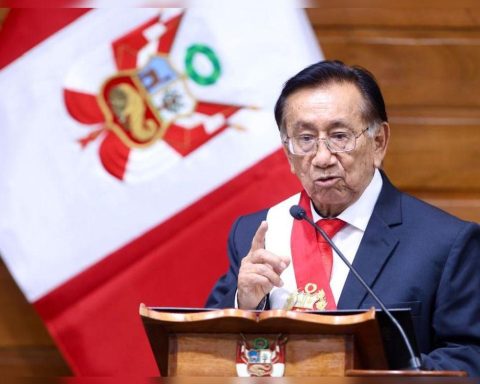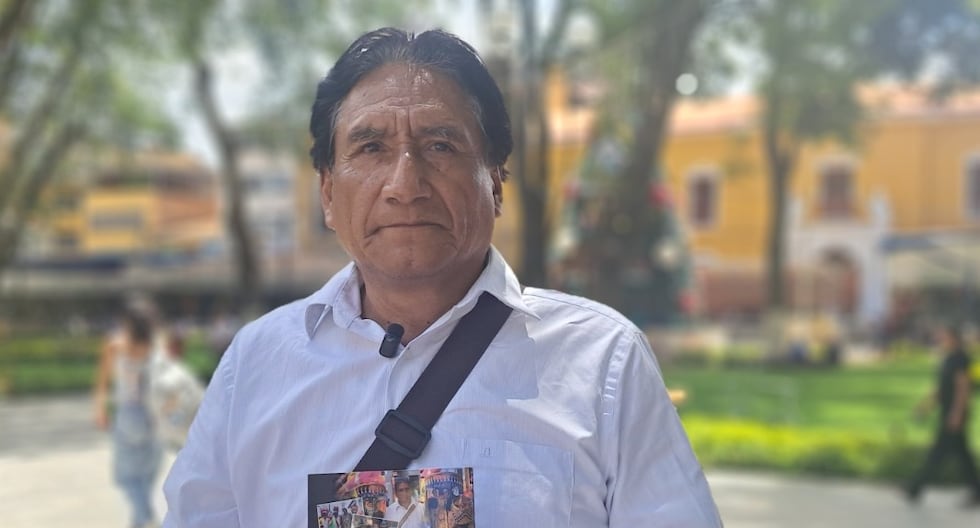
The cultural work developed by Edgar Rolando Santiago Bernado has been fundamental for the research, preservation and dissemination of various dance expressions, several of which have been recognized as Cultural Heritage of the Nation, thus consolidating the cultural identity of the department of Huánuco.
One of his most recent contributions is the book “Yana Tushuykuna”, a work that compiles and disseminates Afro-descendant dances present in different areas of the region. The text was born with the purpose of making visible the cultural diversity and existing stereotypes in the department of Huánuco, highlighting its origins both in the Andean areas and in the warm valleys, where ancient knowledge and cultural memories were intertwined to build a shared identity.
Field investigation
The author relates that, during his travels during times of local festivals and Christmas celebrations, he visited various Andean cultural and linguistic spaces, meeting members of Quechua-speaking dances. These experiences motivated him to compile the oral tradition, and then take charge of its transcription and interpretation, giving meaning and context to each cultural expression.
In the Huallaga Valley, among patronymics, toponyms, idioms and huanuqueñisms, Santiago Bernado points out that it was necessary to listen carefully to interpret the spirit of the dances, in which the artistic traces left by the Afro-descendant population can be perceived, from old cabins and haciendas to mines and agricultural fields.
Music, crafts and identity
The work also addresses the musical evolution of these expressions, where identity merges with nature through onomatopoeic whistles and artisanal elements such as the filiform blade used in the embouchure, which vibrates with the lips. Over time, these sounds were integrated into the use of instruments such as the pinkullu and the tinya, until they reached the current bands of musicians.
Likewise, the value of traditional craftsmanship is highlighted, whose symbols of quality date back to colonial times, reflected in designs influenced by Franciscan and indigenous missionaries who learned restoration and clothing techniques in the service of former Spanish and French rulers, owners of villas and haciendas.
The book “Yana Tushuykuna” was recently presented, constituting a valuable contribution to the art and cultural identity of the region. The publication is now available to the general public. People interested in learning more about the Dance of the Negritos of Huánuco can call 944 825 701 to purchase a copy.
Dances declared Cultural Heritage of the Nation
Thanks to this sustained work of research and cultural promotion, various Huanuqueña expressions have been declared Cultural Heritage of the Nation, among them:
– Dance of the Negritos of Huánuco (2021)
– León Danzas de Jivia (2015)
– Tinkuy Carnival (2015)
– Pottery production of Huarguesh and Punchao Chico, Quishqui district (2015)
– Knowledge and practices related to the weaving and use of the White Blanket, provinces of Huánuco and Pachitea (2017).
– Los Ruckos de Shayan, hamlet of San Juan de Shayan, district of La Unión (2018)
– Huarín Carnival, San Francisco de Asís district of Huarín (2018)
– Pallas de Obas, Obas district (2021)
– Dance of the Kawrimus, Churubamba district (2022)
– Dance of Qarachaywanka, Quivilla district (2025)
– Campo de Varayo Ancestral Authority, province of Yarowilca (2025).