The decision by the Central Bank’s Monetary Policy Committee (Copom) to maintain the Selic rate at 15% per year, announced this Wednesday (28), had negative repercussions among representatives of industry, construction and trade unions, who point out impacts on economic growth, credit and employment.
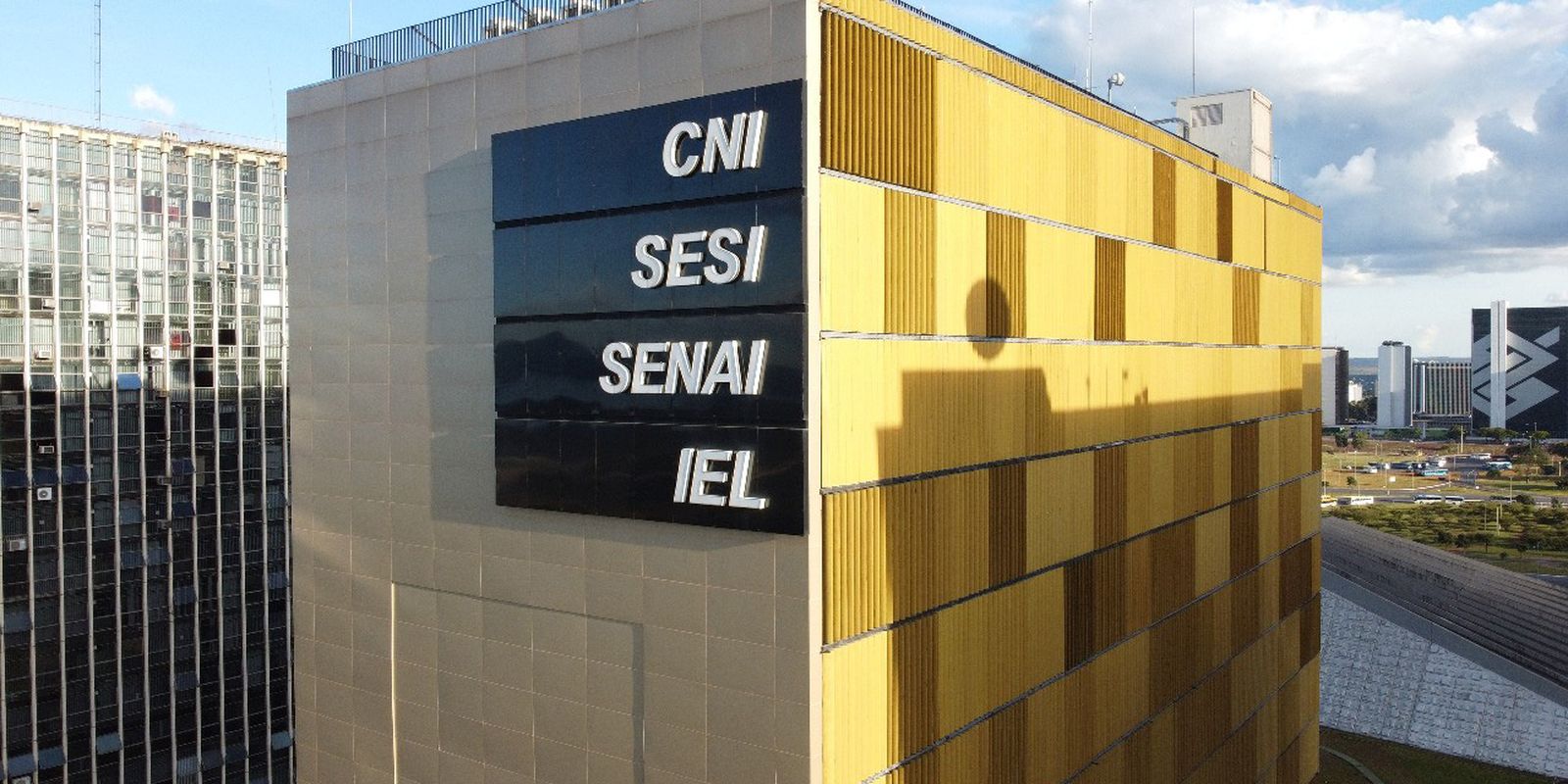
The National Confederation of Industry (CNI) assessed that the current level of interest rates imposes a high cost on the economy and disregards the recent trajectory of slowing inflation. For the entity’s president, Ricardo Alban, the Central Bank should have started the cycle of monetary easing.
“By maintaining the Selic at an unsustainable level, the Copom harms the economy and deepens the slowdown in growth. It is essential to start reducing interest rates at the next meeting”, he stated in a note.
According to the CNI, current inflation and inflation expectations are heading towards the center of the target. THE IPCA closed 2025 at 4.26%below the ceiling of 4.5%, while projections from the Focus Bulletin indicate inflation of 4% in 2026 and gradual convergence to 3% in the following years. Even so, the real interest rate remains around 10.5% per year, around 5.5 percentage points above the neutral rate estimated by the Central Bank itself.
The construction sector also expressed concern. For the president of the Brazilian Chamber of Construction Industry (CBIC), Renato Correia, high interest rates restrict real estate credit, reduce demand for new projects and make projects difficult to make viable. “A contractionary monetary policy slows down activity and affects the entire production chain, with prolonged effects on employment and income,” he said.
In a more moderate tone, the São Paulo Commercial Association (ACSP) assessed that the decision reflects caution in the face of fiscal and external uncertainties. Economist Ulisses Ruiz de Gamboa highlighted that, despite the slowdown in activity, inflation and expectations still remain above target. For him, the Copom statement will be decisive in understanding whether there is a sign of the start of the cutting cycle.
trade union centers
The trade unions reacted more harshly. The Central Única dos Trabalhadores (CUT) stated that maintaining the Selic keeps Brazil at the top of the world ranking of real interest rates and penalizes the population. “High interest rates make credit more expensive, reduce consumption and result in fewer jobs,” said Juvandia Moreira, president of the National Confederation of Financial Workers (Contraf-CUT).
According to the entity, each percentage point of the Selic adds around R$50 billion to public spending on debt interest.
Força Sindical classified the decision as “social irresponsibility” and accused the Central Bank of favoring financial speculation to the detriment of the productive sector. For the entity’s president, Miguel Torres, current monetary policy restricts credit, increases family debt and hinders economic development.
Despite the criticism, the Copom maintained the Selic rate for the fifth consecutive time at 15% per year, the highest level since 2006. The decision was in line with the expectations of most market analysts, in a scenario of inflation still above the target, fiscal uncertainties and external risks.