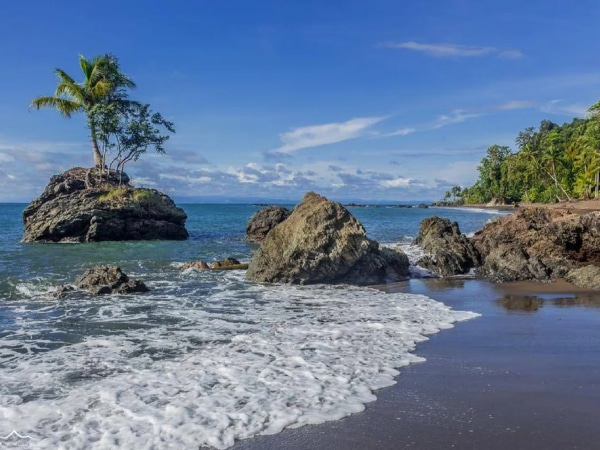

Preventive evacuations, closure of beaches in Chocó, Nariño, Valle and Cauca.
News Colombia.
The Colombian authorities lit alarms this Tuesday, July 30 after an earthquake of magnitude 8.8, registered in the remote Kamchatka Peninsula (Russia), activated Tsunami alerts in several countries of the Pacific Ocean, including Colombia.
The National Unit for Disaster Risk Management (UNGRD) He issued one Tsunami alert for the departments of Chocó and Nariñowhere it was ordered to immediately evacuate the beaches and areas near the sea. Similarly, in Cauca and Valle del Cauca It was declared Preventive warningwith restrictions on maritime traffic and constant monitoring of oceanic conditions.
What areas are at greater risk?
According to UNGRD, the first waves derived from the seismic phenomenon could impact the Malpelo Island (Valle del Cauca) around the 10:03 amstarting a possible chain of maritime alterations in other areas of the coast during the rest of the morning and noon.
These are the estimated schedules of the first wave to the different coastal locations:
- Malpelo (Valle del Cauca): 10:03 am
- Juradó (Chocó): 10:26 am
- Bahía Solano (Chocó): 10:27 am
- Nuquí (Chocó): 10:29 am
- Under Baudó (Chocó): 10:41 am
- Gorgona (Cauca): 10:45 am
- Mosquera (Nariño): 11:02 am
- Salahonda (Nariño): 11:04 am
- Tumaco (Nariño): 11:14 am
- Juanchaco (valley): 11:31 am
- Timbiquí (Cauca): 11:35 am
- Guapi (Cauca): 11:58 am
- Buenaventura (Valle): 12:19 pm
- Bay Málaga (Valle): 12:20 pm
Immediate measures throughout the Colombian Pacific
In response to the possible threat, local authorities and relief agencies activated contingency plans. He proceeded to Total beaches closure in the areas under alert and They suspended maritime activitiessuch as fishing, transport and coastal tourism.
#Attention | After the earthquake 8.8 MW in #Kamchatka (#Russia), according to @Dimarcolombia strong currents and waves of #tsunami on the Colombian Pacific coast.
🔴 Alert: #Nariño and #Chocó
🟠 Warning: #Cauca and #Valledelcauca⚠️ 🕘 approximate schedules …
– AGRD🇨🇴 (@ungrd) July 30, 2025
The residents of low and coastal areas were also asked move to high and sealed areaseven if visible changes are not perceived in the waves. The authorities insisted that It should not be returned to evacuated areas Until a formal authorization is issued.
What to do if you are in a risk zone?
UNGRD and response organizations recommend:
- I immediately leave beaches, springs and areas near the coastline.
- Go to high sectors, preferably more than 30 meters above sea level.
- Do not try to record, take photos or approach the sea out of curiosity.
- Stay informed by official means and not spread rumors.
- Follow all police, civil defense, firefighters and other emergency entities.
A global phenomenon with regional repercussions
The earthquake in Russia, although distant, generated concern throughout the Pacific region. Countries like Chile, Peru, Ecuador, Japan and the United States (especially Hawaii) They also activated alerts, evacuations and precautionary measures in the face of the potential impact of a tsunami.
In the Colombian case, although the arrival of destructive waves has not been confirmed, the call of the authorities is to keep up. Early prevention is the best tool to avoid tragedies, especially in vulnerable coastal communities.