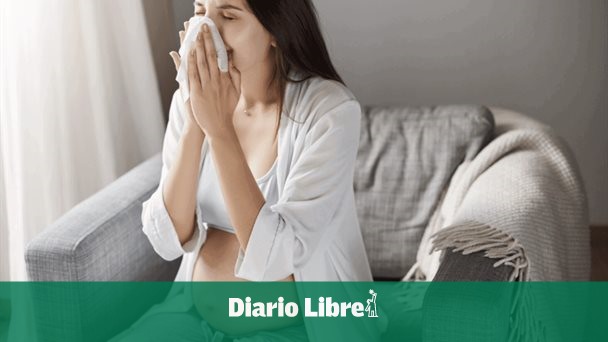
The pregnant patients affected with influenza They have four to seven times greater risk of hospitalization than a non-pregnant patient.
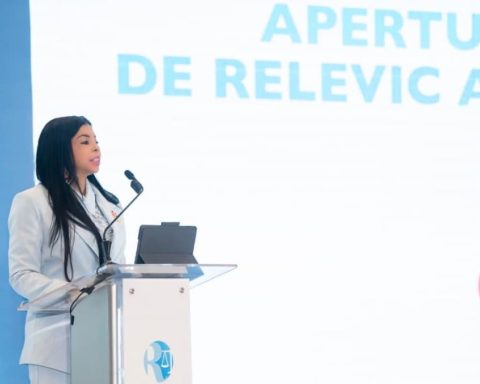
This was stated by Dr. Pablo Bonheví, an Argentine infectious disease doctor and member of the board of directors of the Latin American Society of Vaccinology (SLV), who was part of the panel of exhibitors at the recently completed Latin American Symposium on Maternal Immunization, held in a hotel in the Dominican capital.
During the chat “Burden of disease and complications of vaccine-preventable diseases in the pregnancy: prevention and impact on the mother-child binomial”, the specialist highlighted that, only in the United States, the virus of the influenza It causes more than 200,000 hospitalizations a year and about 36,000 associated deaths, a figure that rises to half a million people when deaths are counted worldwide.
Bonheví explained that contracting respiratory viruses in the stage of gestation increases the probability of premature birthsespecially if the patient is in her third quarter of pregnancy.
In that sense, it motivated the vaccination against Sars-CoV-2 and influenzasince various studies indicate that the protection that provide the vaccines They help reduce hospitalizations, intensive care admissions and reduce the risk of death.
Vaccinate in the pregnancy
The recommendation of vaccinate during pregnancy is supported by the fact that during the third quarter of gestation the greatest passing load occurs maternal antibodiesconsidering that until the baby is six months old he cannot receive the injection against influenza and Covid.
“We cannot vaccinate children before they are six months old (against these virus), so the only way to protection What we have is through the vaccination maternal,” said the doctor.
Likewise, he recalled that the Covid continues present, “so it remains a risk factorwith four times greater impact on the infants“.
Refusal to vaccination
Meanwhile, the virologist Flor Muñoz recognized that there persists within the population a refusal to put on the vaccines against him Covid and the influenza.
“It is not a vaccine perfect for any age group, but protects against serious illness. They are safe in pregnancy and breastfeeding, from 20 weeks of gestation“he commented.
In addition to the vaccines against coronavirus and influenzaat pregnant patients I recommend a dose of TdaP (injection that protects against three serious diseases: Tetanus, Diphtheria and Whooping Cough or Pertussis) and vaccine against him respiratory syncytial virus.
“Are vaccines offer a protection additional, both to the mother and to the newborns. Increase the vaccine coverage It also means increasing the protection neonatal,” he concluded.
Influenza in the northern hemisphere
This past December 12, the Pan American Health Organization (OPS) issued an information note to update countries on the increased circulation of the virus of influenza A(H3N2) subclade K (J.2.4.1) in various regions of the world and reiterate the call to strengthen surveillance of the virus and promote the vaccinationespecially between older adults and people with risk factors.
The OPS It also urges timely treatment of cases and preparation of health services for possible early or more intense activity of respiratory diseases during the season 2025-2026 in the northern hemisphere.
According to the most recent data, the circulation of subclade K has grown rapidly in Europe and several Asian countries, where it represents a significant proportion of the virus of influenza A(H3N2) analyzed.
The health authorities of those countries have not reported significant changes in the clinical severitybut historically the seasons dominated by influenza A(H3N2) are usually associated with a greater impact on older adults.
In the United States and Canada, there is also a progressive increase in detections of the subclade Kwhose genetic evolution is part of the natural process of virus variation of the influenza seasonal.
Recommendations
-
The OPS urged Member States to maintain and strengthen the epidemiological surveillancevirological and genomic, guarantee high coverage of vaccinationtreat cases in a timely manner and reinforce the preparation of health services for the possibility of early or more intense activity.
-
He reiterated the importance of vaccination against the influenza seasonal for older adultspeople with chronic diseases, women pregnant and other groups at higher risk of complications, highlighting that protecting these populations also reduces pressure on hospitalization services.
-
Likewise, he recalled that in addition to the need to reinforce the surveillance before him virus of the influenzacirculation of the respiratory syncytial virus (VSR) and SARS-CoV-2.
-
The Organization also stressed the relevance of early diagnosisstrengthening the preventive measures and control, the availability of antivirals for risk groups and the investigation and immediate notification of unusual respiratory events, in accordance with the International Health Regulations.
-
The preventive measures personal like handwashingcovering coughs or sneezes and staying home in case of fever or symptoms continue to be essential to limit transmission.